A family bathroom needs a proper clean once a week, two small jobs every day, a short monthly list and three or four tasks that come round once or twice a year. Anything beyond that is usually effort spent on surfaces that were not dirty, while the parts that genuinely cause problems – the extractor fan, the sealant, the shower head – go untouched for years.
What needs doing every day?
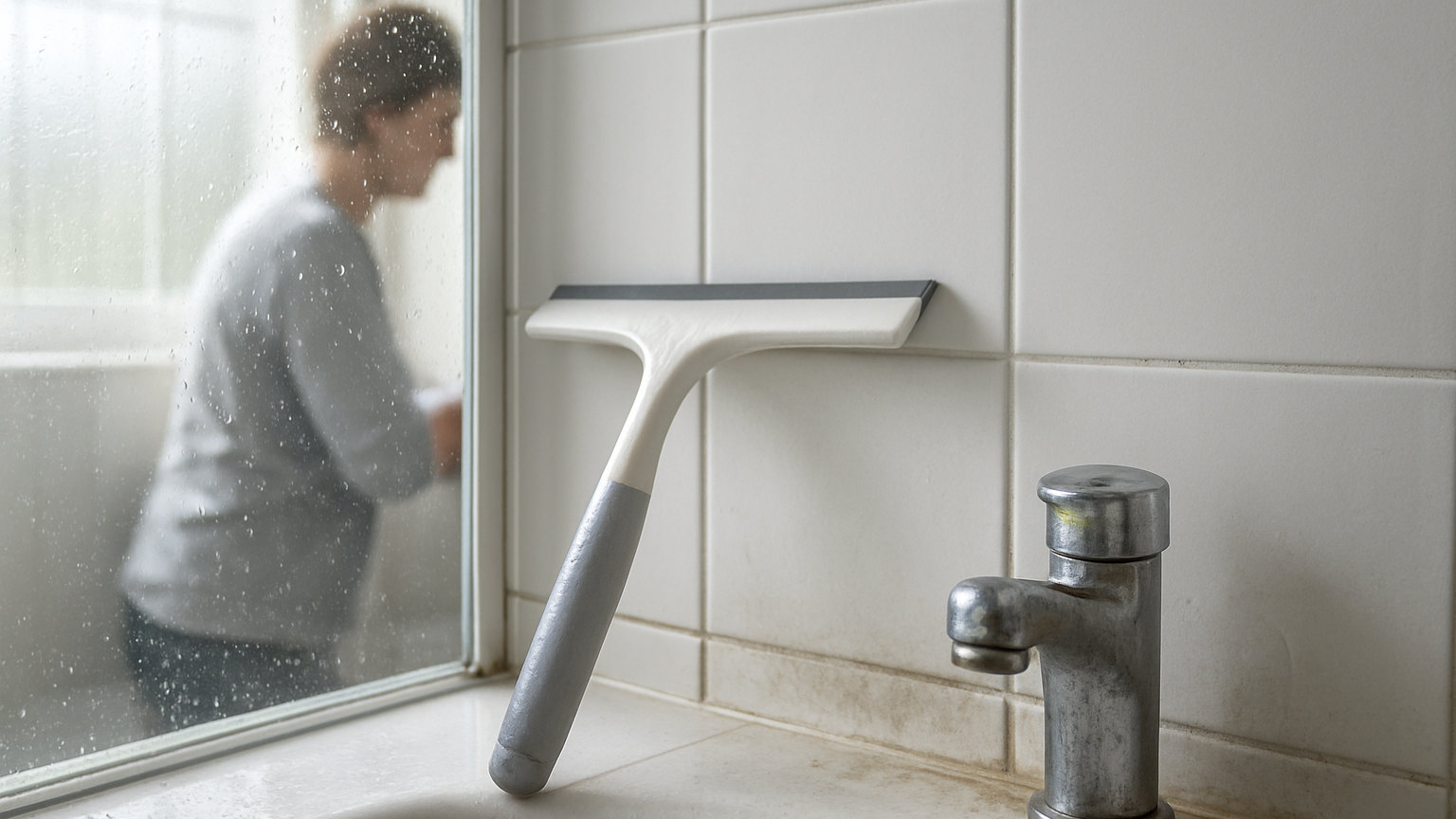
Two things, and both take under a minute. Wipe the shower screen or tiles down after the last shower, because limescale and soap scum only form where water is left to dry. And open the window or leave the extractor running for fifteen minutes afterwards, because almost every recurring bathroom problem starts with moisture that had nowhere to go.
A quick wipe of the basin after use is worth adding if toothpaste is an issue in your house, which it usually is where children are involved.
What does the weekly clean cover?
The weekly clean takes twenty to thirty minutes in an average bathroom and covers everything visible:
- The toilet, inside and out, including the seat hinges, the base of the pan and the flush handle or button.
- The basin, taps and plughole.
- The bath or shower tray, plus the screen or curtain.
- Tiles, at least the ones inside the shower enclosure where scum builds fastest.
- Mirrors and glass.
- Surfaces and shelves, including the tops of cabinets and the shelf everything lives on.
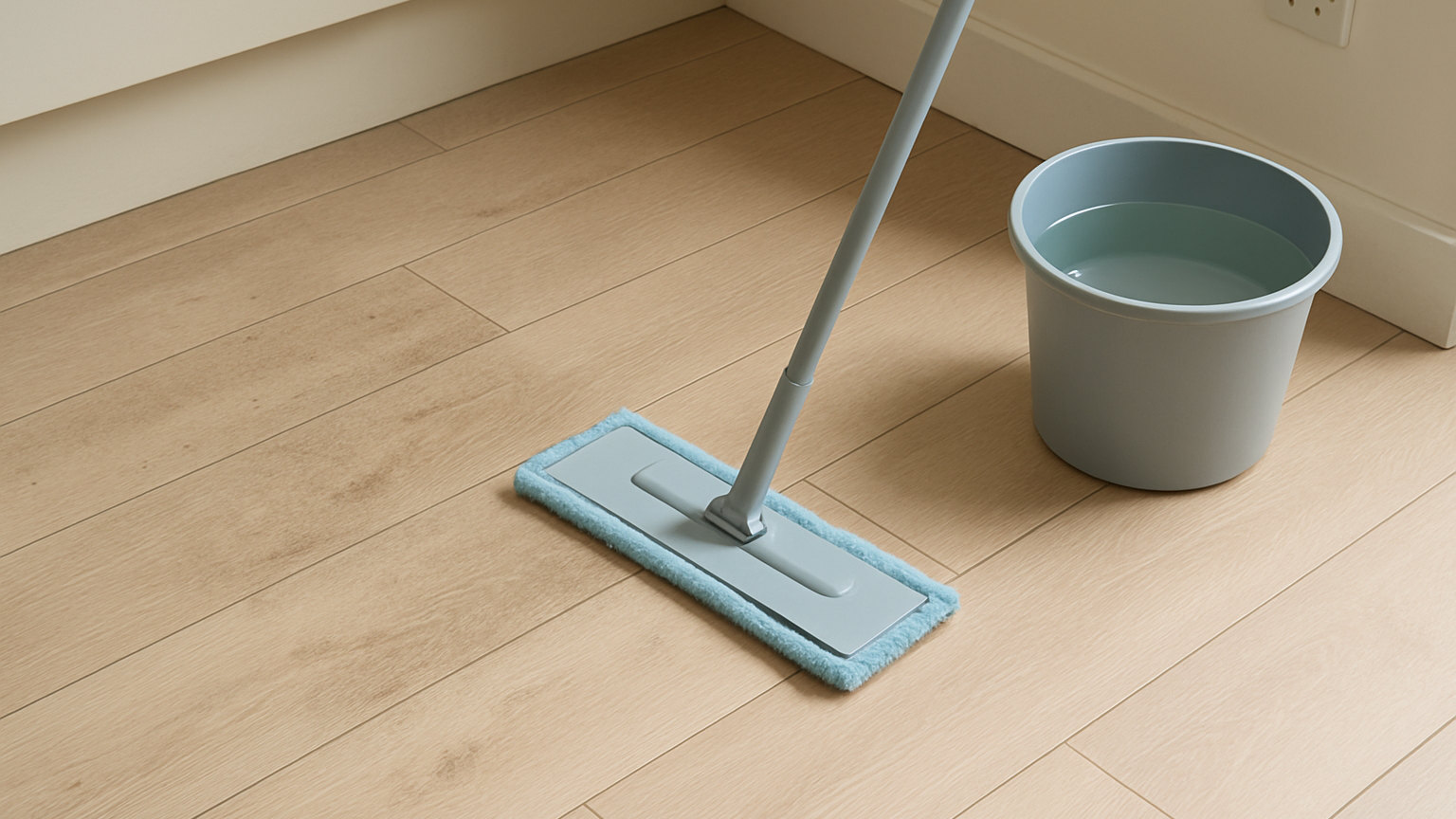
- The floor, vacuumed or swept first and then mopped, with attention to the area behind and around the toilet.
- Towels changed, and hand towels more often than bath towels.
Which jobs are monthly?
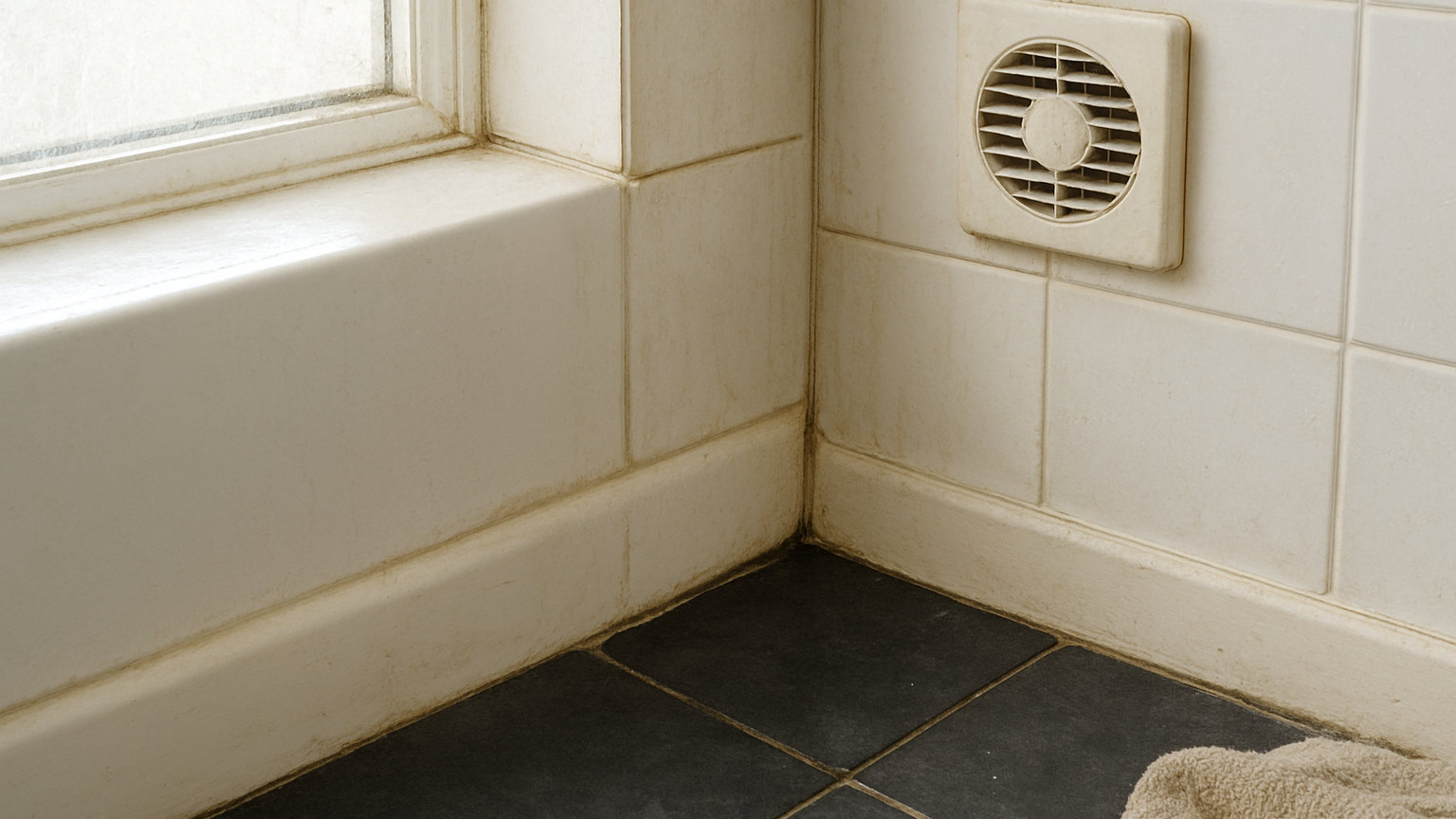
Descaling the shower head, cleaning the extractor fan cover, washing the bath mat and the shower curtain, wiping the inside of the bathroom cabinet, and checking the sealant around the bath and shower for early mould. Grout in the shower benefits from a monthly scrub rather than a weekly one, since weekly scrubbing wears it away faster than the dirt would.
This group takes about half an hour once a month and is where most preventable bathroom problems are caught early.
What only needs doing once or twice a year?
Cleaning inside the fan housing where accessible, taking the toilet seat off its hinges to clean underneath properly, descaling the whole bathroom if you live in a hard water area, resealing the bath or shower if the silicone has gone, washing the window and its frame, and clearing the basin and bath traps of hair.
Why does the right frequency vary so much?
Because the amount of water passing through the room varies enormously. A bathroom used for six showers a day in a hard water area will scale up in a fortnight, while an ensuite used twice a week barely changes month to month. Water hardness is the single biggest factor, followed by how many people use the room and whether the ventilation actually works.
Ventilation deserves emphasis. A bathroom that dries out within an hour of a shower needs a fraction of the cleaning of one that stays damp all day, because mould and scum both need standing moisture.
Does a bathroom need disinfecting every week?
The toilet does, or at least the pan, seat and flush control. Most of the rest of the room does not. Basins, baths, tiles and floors respond perfectly well to detergent and hot water, and blanket disinfection tends to leave residue that dulls chrome and acrylic over time.
Where disinfectant genuinely matters is after any episode of illness in the house, when handles, the flush, taps and the seat all need doing properly with the contact time the label specifies.
What happens if the weekly clean slips?
Nothing dramatic for a week. Over a month, limescale bonds to the shower screen and stops wiping off, soap scum hardens in the bath, and mould gets into the sealant, which is the one form of bathroom neglect that cannot be undone with cleaning. That is the real argument for the weekly rhythm: not hygiene so much as avoiding the jobs that eventually need a tube of silicone and an afternoon.