Several cleaning products are flammable, and the risk most people do not know about involves no flame at all. Cloths soaked in certain oils can generate enough heat as the oil oxidises to ignite themselves, which is a documented cause of house fires.
Which products are flammable?
- Aerosols of all kinds, including polish, air freshener and oven cleaner.
- Surgical spirit and rubbing alcohol.
- White spirit, turpentine and paint thinners.
- Some furniture polishes, particularly aerosol and solvent based.
- Nail varnish remover and similar solvents.
- Some spot and stain removers.
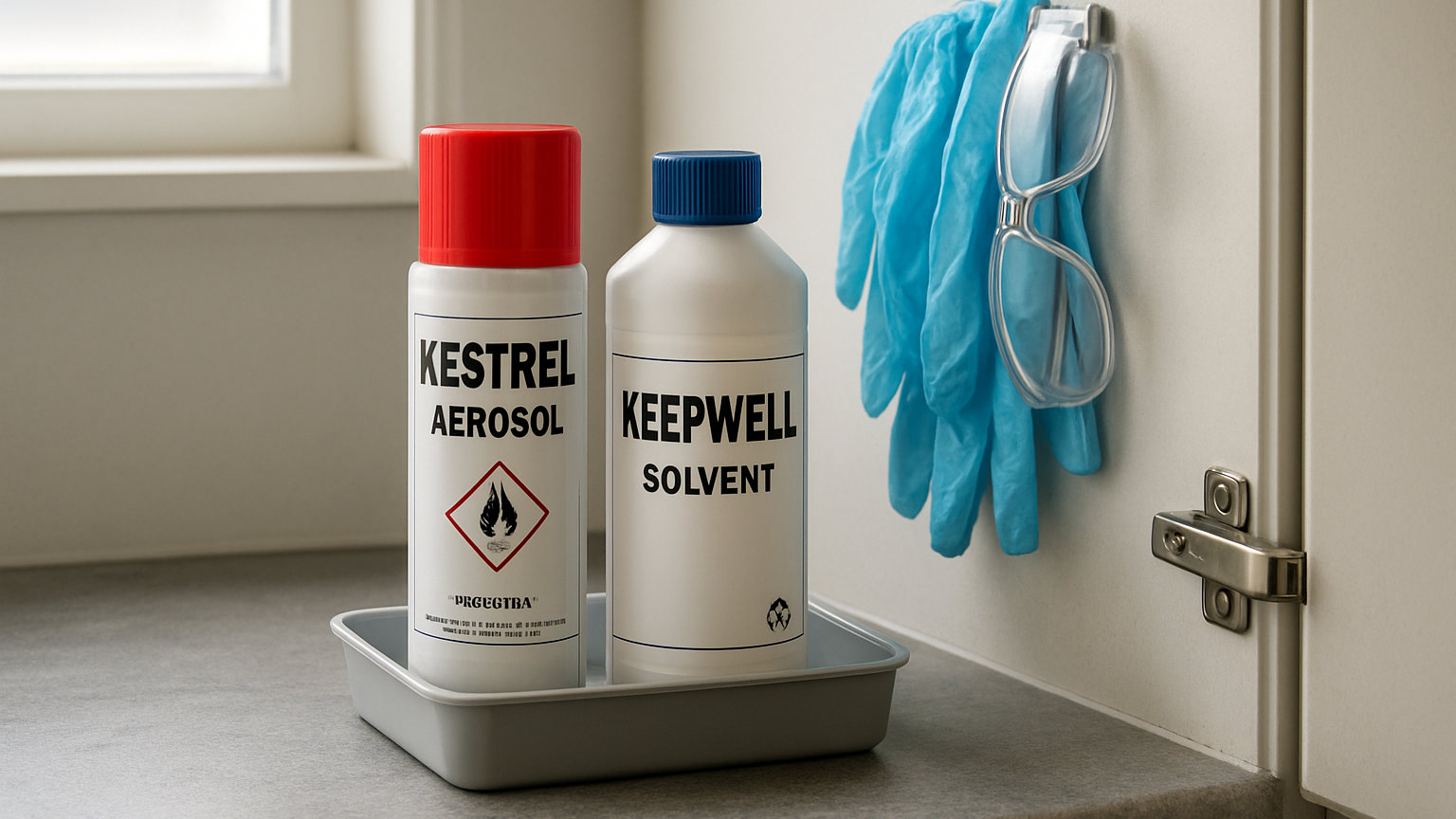
The flame symbol on the label identifies them, and the precautionary statements say what to avoid.
What is the oily rag problem?
Cloths soaked in linseed oil, tung oil, some wood finishes and certain polishes can undergo spontaneous combustion. As the oil oxidises it generates heat, and in a crumpled pile the heat cannot escape, so the temperature rises until the cloth ignites.
No spark or flame is required. It happens over hours, often after everyone has gone to bed.
How do you deal with oily cloths?
- Never leave them crumpled in a pile or a bin.
- Spread them out flat outdoors to dry completely, weighted down.
- Alternatively submerge them in water in a sealed metal container.
- Once fully dry and hard, they can be disposed of in general waste.
- Never put them in a tumble dryer or wash them with other laundry.
This applies to oil finishes rather than to cooking oil on a kitchen cloth, though a cloth heavily soaked in cooking oil should still not be left balled up.
What about aerosols?
They contain a flammable propellant under pressure. Heat causes the pressure to rise and the can to burst, so they should never be left in direct sunlight, near a radiator, in a car in summer or on a windowsill.
Never puncture or crush one, never burn one, and never spray one near a naked flame, a hob or a pilot light.
Where should flammable products be stored?
Cool, away from heat sources, out of direct sunlight, and not in a cupboard containing a boiler or near a hot water tank. A garage or outbuilding is often better than a kitchen, provided it does not freeze or overheat.
Keep them upright, tightly closed, and away from oxidisers such as bleach and oxygen bleach, which accelerate a fire.
What about using them safely?
Ventilate thoroughly, since solvent vapours are heavier than air and pool at floor level where a pilot light or an electrical spark can ignite them.
Turn off gas appliances with a pilot light, avoid using them near an open fire or a hob, and do not smoke anywhere nearby.
What about the tumble dryer?
A genuine risk with items carrying oil residue, including tea towels used in a kitchen and cloths used with oil based products. Heat plus residual oil plus a confined drum is the same self heating situation.
Wash oily textiles on a hot cycle with plenty of detergent, and air dry them rather than tumble drying.
What about the bin?
Do not put solvent soaked materials, oily cloths or part full aerosols in a household bin. Bin lorries compact waste, which can crush a can or concentrate heat in a pile of cloths.
Take these to a household waste recycling centre.
What should you do if something catches fire?
Get everyone out, close the door, and call 999. Do not attempt to tackle anything beyond a very small fire, and never use water on a fire involving oil or solvent.
A fire blanket in the kitchen is worth having and is the correct response to a small pan fire.
What is the summary?
Store flammables cool and away from bleach, never leave aerosols in heat, ventilate when using solvents, and never leave oily cloths in a pile. The last one causes fires that people never see coming.
Does this apply to furniture polish?
Some aerosol and solvent based polishes carry a flame symbol, and cloths used with oil based wood finishes are the ones to treat carefully. A cloth used with a water based or silicone polish is not the same risk, and reading the label tells you which you have.