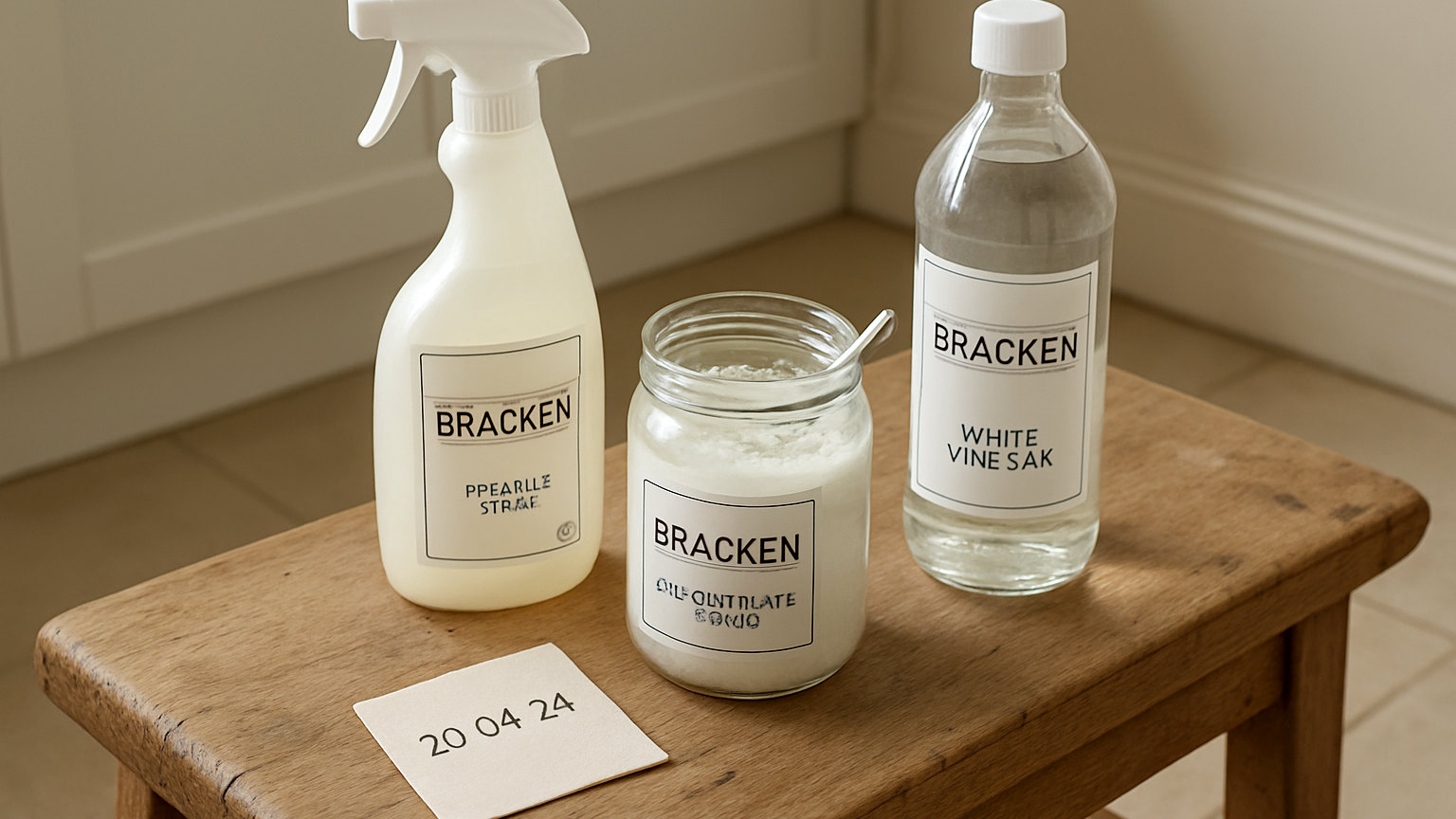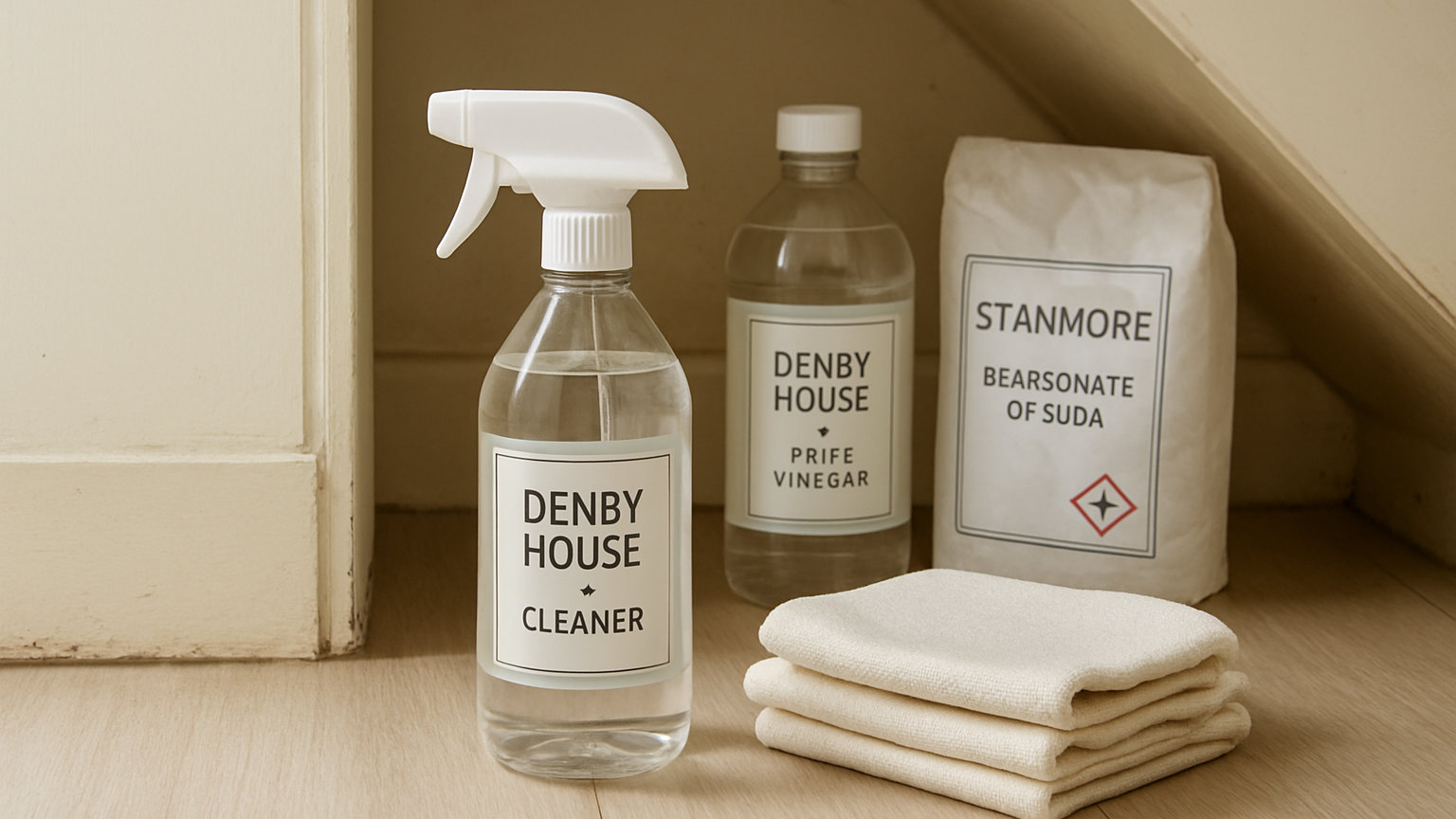
The traditional cleaning cupboard is under the kitchen sink, which is the worst available location: low, accessible to children and pets, frequently damp, and often next to a waste pipe or a hot water connection. Setting it up better takes an afternoon and removes most of the risk.
What are the three principles?
- Height – above the reach of children and pets.
- Separation – bleach away from anything acidic, flammables away from oxidisers.
- Labelling – everything identifiable at a glance.
Everything else is refinement.
Where should it be?
A high cupboard, a top shelf in a utility room, or a locked cupboard. A garage or outbuilding works for some products, provided it does not freeze or reach high temperatures, which degrades many of them.
If a low cupboard is unavoidable, fit safety catches and keep the most hazardous products elsewhere entirely.
What should be separated?
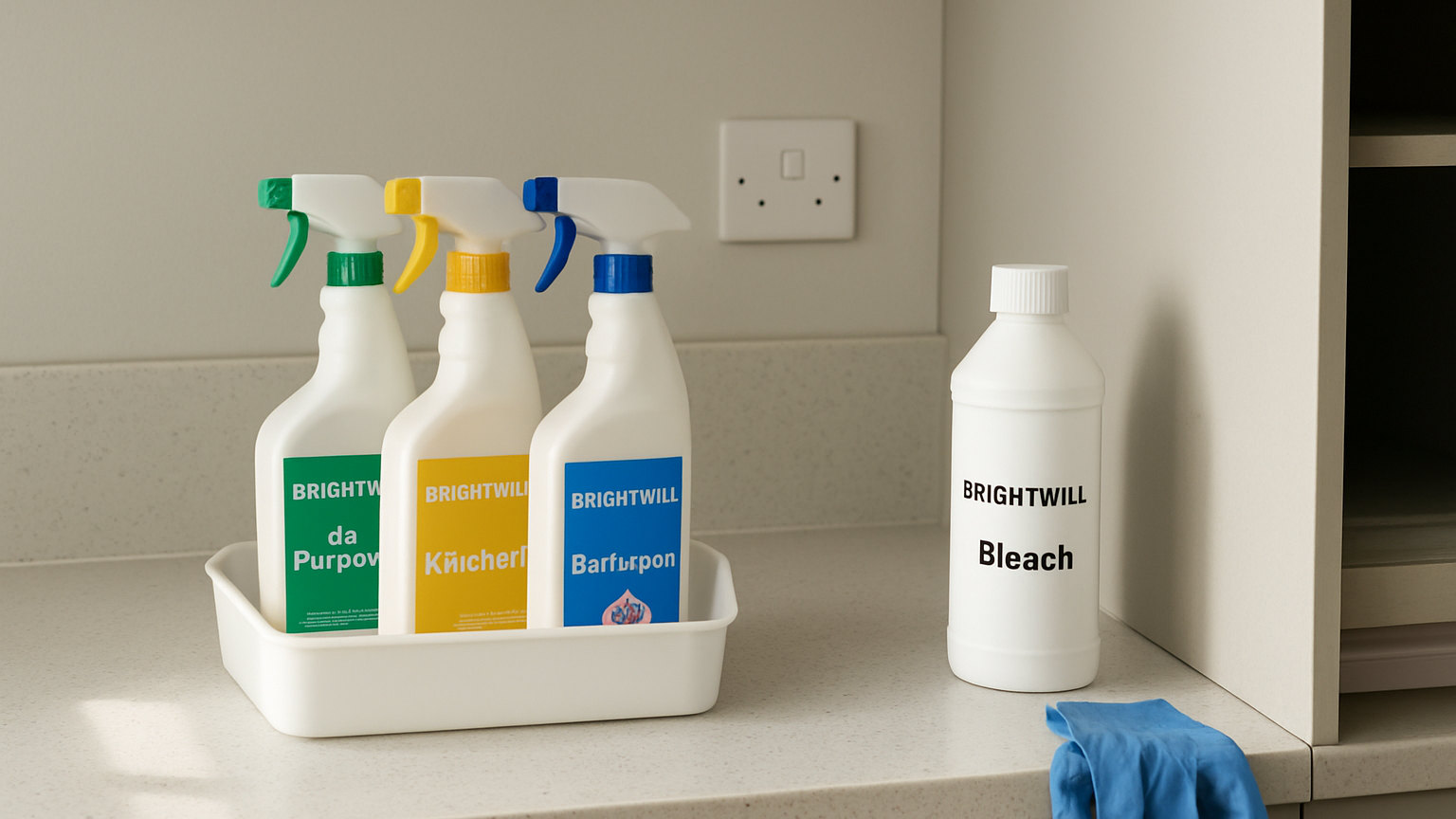
- Bleach, on its own shelf or in its own container, away from acids and descalers.
- Flammables, away from oxidisers such as bleach and oxygen bleach.
- Corrosives such as oven and drain cleaners, ideally in a separate sealed box.
- Laundry capsules, in their original tub with the lid closed.
- Anything for outdoor or garage use, kept separately.
How do you contain spills?
Stand bottles in a plastic tray or a shallow box, which catches a leak before it spreads and makes the whole group easy to lift out. Cat litter trays work well and cost very little.
Store bottles upright, never stacked, and put heavier containers at the bottom of the shelf rather than above head height.
How should it be organised?
By room or by task, which is how people actually look for things. A bathroom group, a kitchen group, a laundry group and a floors group makes everything findable and reduces the chance of grabbing the wrong bottle.
Keep the things used weekly at the front and the occasional items behind.
What about a caddy?
A carrier holding the day to day products and cloths saves trips and makes cleaning easier to start. Treat it as storage that moves: keep bleach out of it, and return it to the high cupboard rather than leaving it on a floor.
One caddy per floor of the house removes most of the friction that stops short cleaning sessions happening.
What else belongs in there?
Gloves and safety glasses, kept with the products rather than in a drawer elsewhere. Equipment that is not to hand does not get used, and that is the whole reason eye protection goes unworn.
Cloths, sorted by colour, and a bag or bin for used ones.
What should not be in there?
Food, pet food, and anything that goes in or near a mouth. Products with no label. Anything frozen or overheated in a garage. And duplicates of things you never use.
How often should it be reviewed?
Once or twice a year. Take everything out, check the labels, group by what each product actually does, and you will usually find three versions of the same thing and several bought for a single job years ago.
Use up the duplicates, dispose of anything degraded or unlabelled, and note what you actually reach for.
What about damp?
A damp cupboard degrades powders, rusts aerosol cans and softens cardboard packaging. Under a sink is frequently damp from condensation on pipes.
A dry cupboard away from heat sources extends the life of almost everything in it.
What does a good setup look like?
A high, dry cupboard with a plastic tray on each shelf, products grouped by room, bleach separated, corrosives in a sealed box, gloves and glasses hanging inside the door, and nothing unlabelled anywhere.
What about the vacuum and the mop?
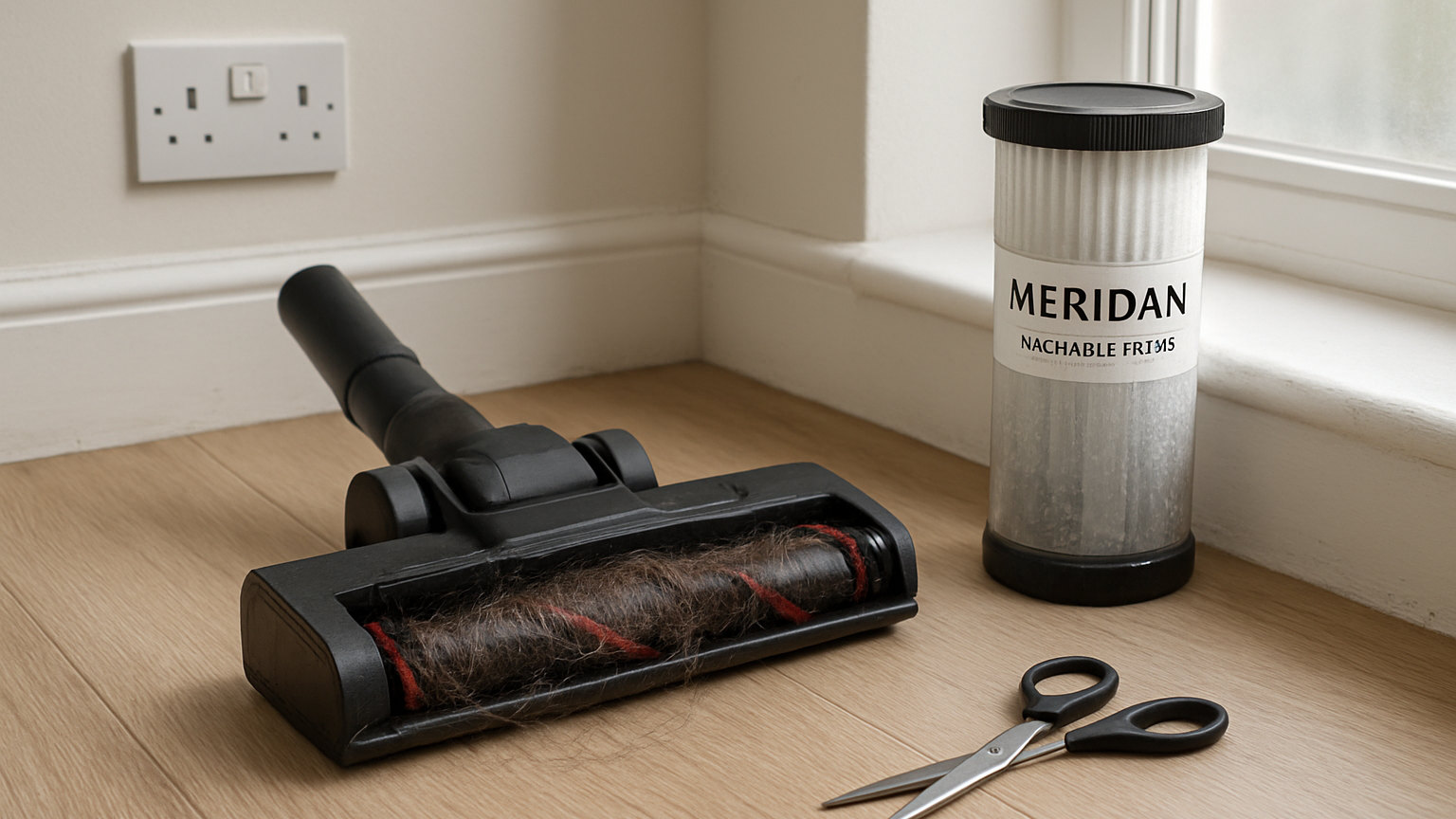
Neither belongs in with the chemicals, and both need somewhere they can dry. A mop stored damp in a closed cupboard grows mould within days. Hang mops and brushes rather than standing them on their heads, and keep the vacuum somewhere it does not have to be lifted over anything.