Cleaning products do degrade, at very different rates. Some lose their effectiveness within months, while others are stable for years. The ones that degrade fastest tend to be the disinfectants and stain removers, where reduced potency matters most.
Which degrade fastest?
- Chlorine bleach – noticeably weaker after six months to a year, faster in warmth and light.
- Hydrogen peroxide – degrades in light and over time, weak within a year of opening.
- Oxygen bleach powder – loses potency as it absorbs moisture from the air.
- Enzyme products – enzymes lose activity over a year or two.
- Diluted solutions of anything – days rather than months.
- Homemade water based mixtures – weeks, with no preservative.
Which last well?
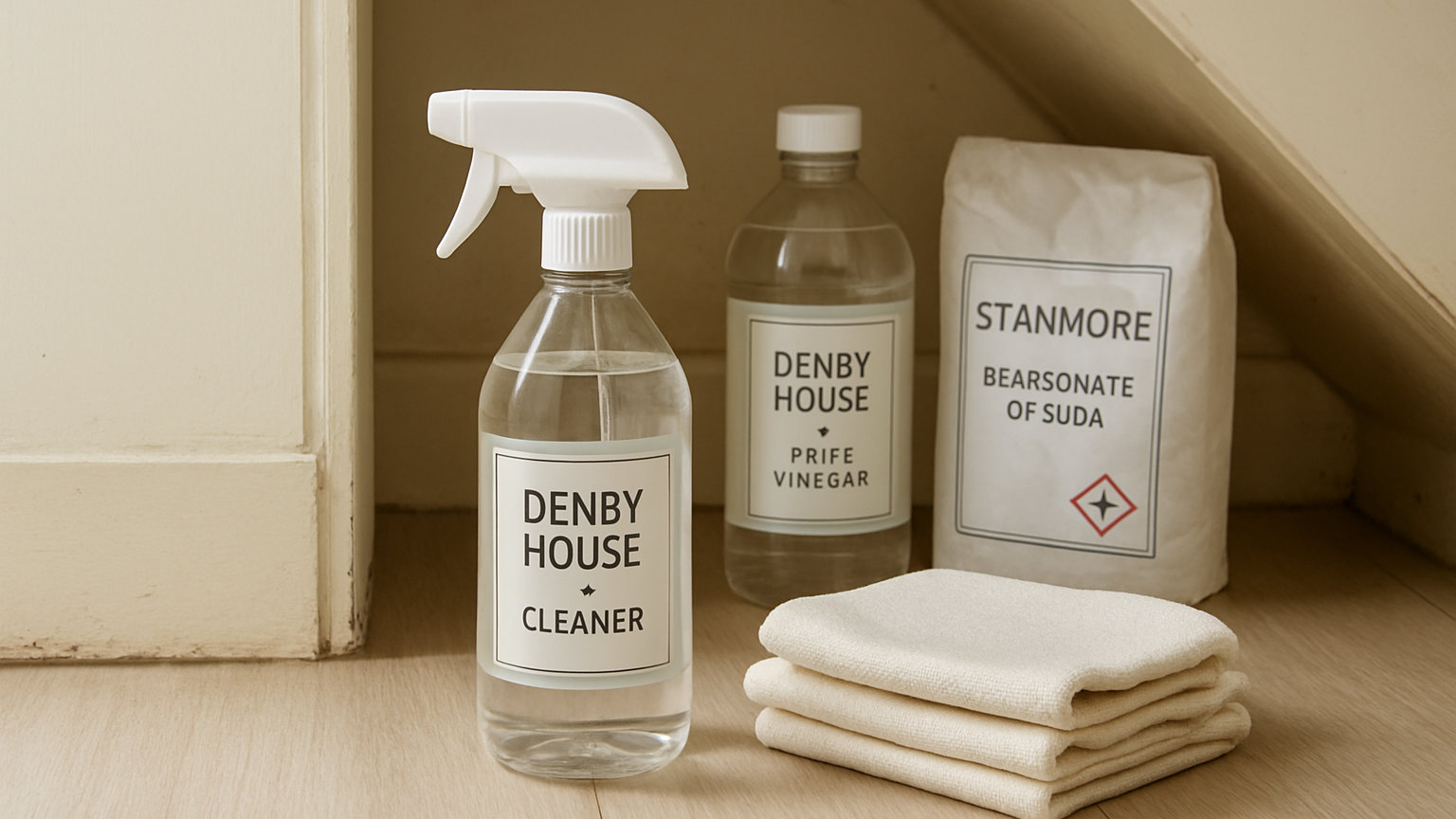
White vinegar and citric acid, which are stable indefinitely. Bicarbonate of soda and soda crystals, which keep for years if dry. Washing up liquid and most surface cleaners, which remain usable for several years.
Powders generally outlast liquids, provided they are kept sealed and dry.
How do you know how old something is?
Many products carry a period after opening symbol, an open jar with a number and the letter M, indicating months of usable life once opened. Some carry a batch code or a best before date.
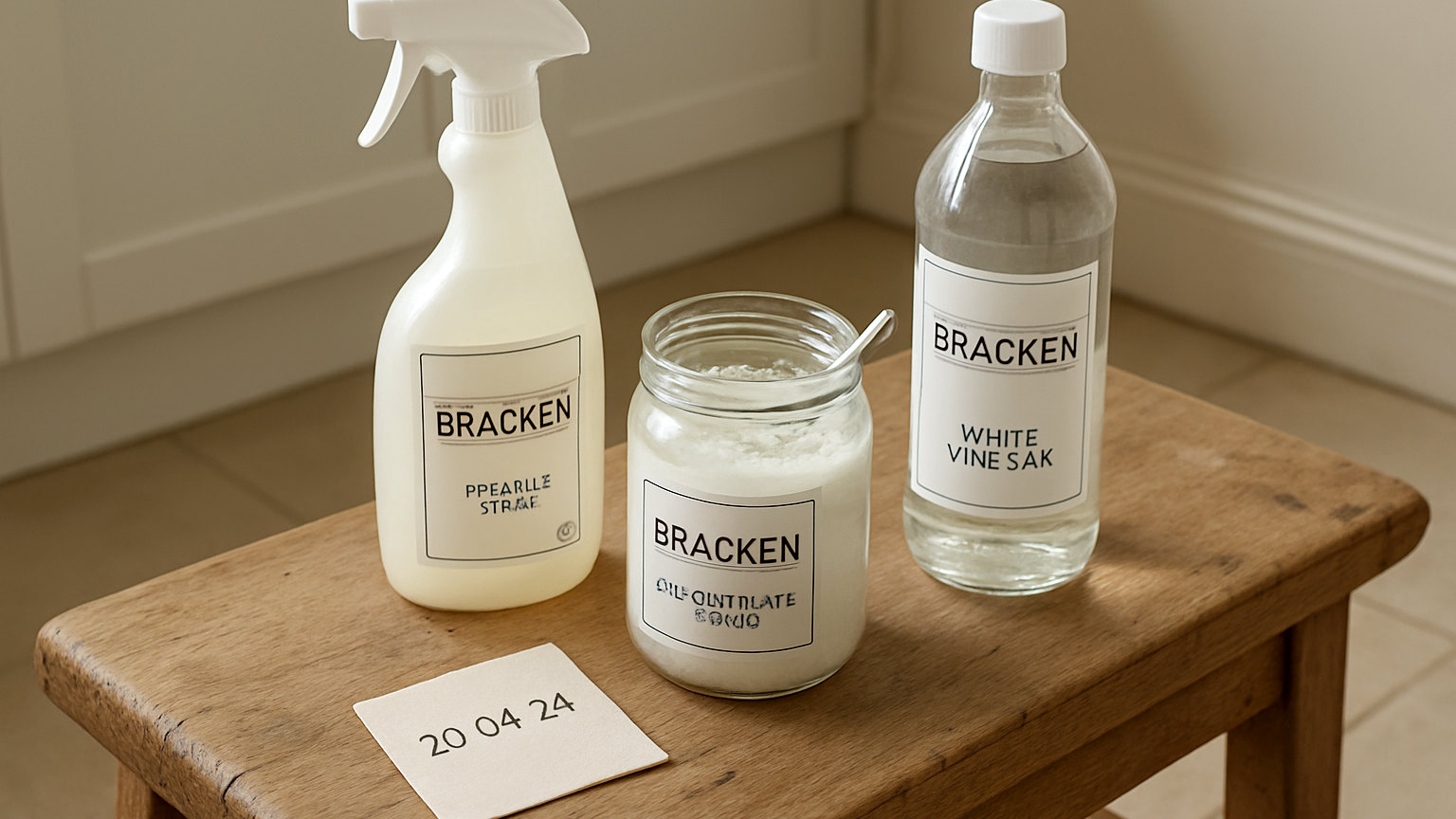
Where there is nothing, write the date on the bottle when you open it, which takes seconds and removes the guesswork later.
What happens to bleach specifically?
Sodium hypochlorite breaks down gradually into salt and water, and the process accelerates with heat and light. A bottle in a warm cupboard for two years may be doing very little.
Diluted bleach degrades within about a day, which means a spray bottle of diluted solution mixed last week is close to useless. Mix it fresh each time.
What about laundry detergent?
Liquid detergent separates and loses enzyme activity over a year or two. Powder keeps longer if dry but clumps if damp, which affects dosing rather than performance.
Capsules can stick together and the film can become brittle, particularly in a damp utility room.
What are the signs something has gone off?
Separation that will not remix. A change in colour or smell. Clumping in a powder. Thickening or thinning of a liquid. A bulging container. Or simply that it no longer works as it used to.
A product that has frozen and thawed, common in a garage, is often permanently separated.
Is an old product dangerous?
Generally not, and it may be ineffective, which matters if you are relying on it to disinfect. Degraded bleach does not disinfect, and a weak oxygen bleach solution will not lift a stain.
The exception is anything in a swollen or corroded container, which should be handled carefully and taken to a recycling centre.
How does storage affect it?
Considerably. Cool, dark and dry extends the life of almost everything. Warm cupboards, garages that freeze, damp utility rooms and direct sunlight all accelerate degradation.
Under a sink next to a hot water pipe is one of the worst places, and it is where many households keep everything.
What should you do with expired products?
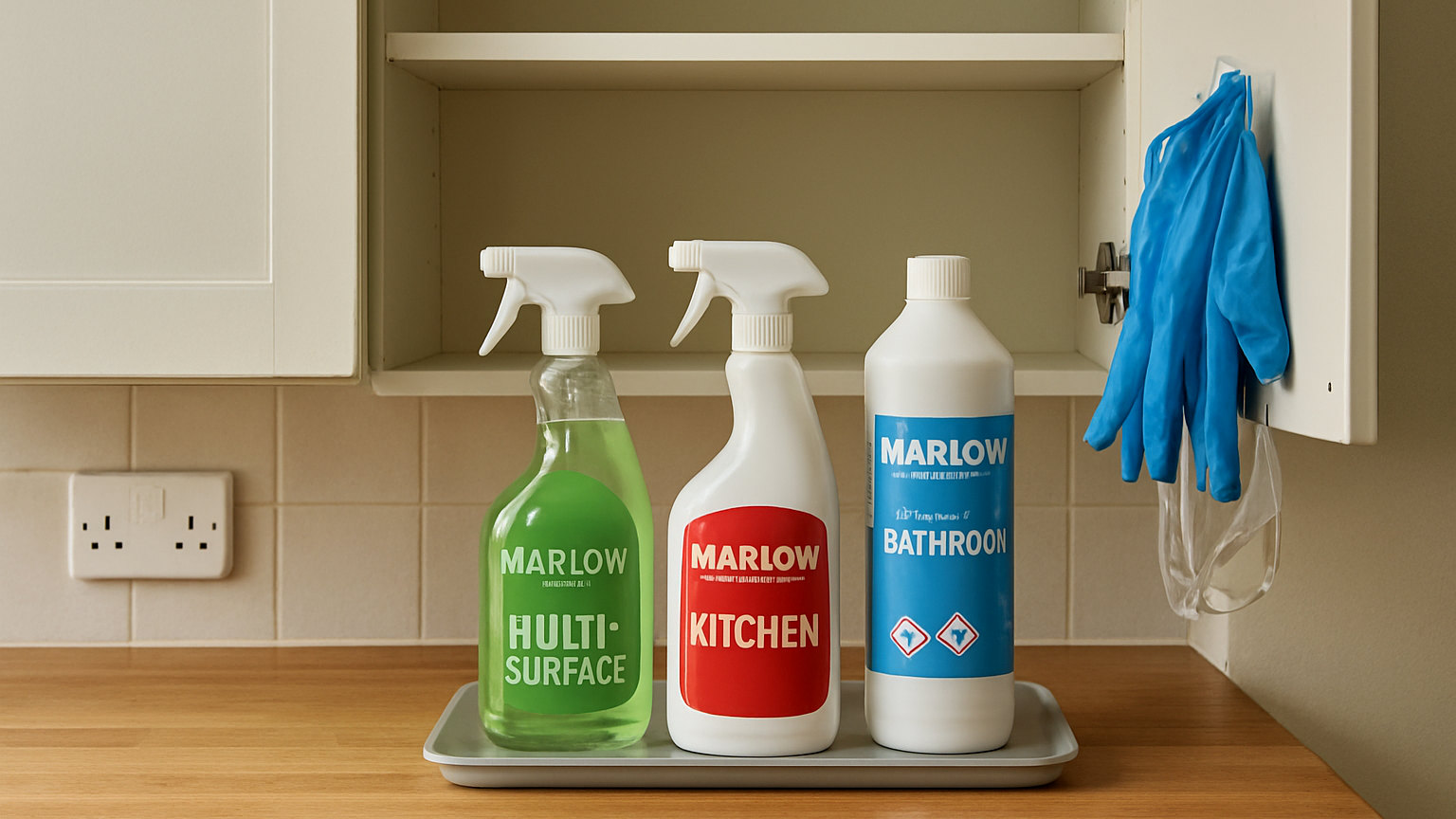
Water based household cleaners can generally be poured away with plenty of running water, one at a time. Anything with a hazard symbol should go to a household waste recycling centre.
Never pour two away together or in sequence without flushing thoroughly in between.
How do you avoid the problem?
Buy quantities you will use within a year rather than the largest size available. Date bottles when opened. Keep the cupboard cool and dry. And review what you own occasionally, which usually reveals several products nobody has touched in years.
Does a bigger bottle save money?
Only if it gets used. A large container of something used twice a year degrades before it is finished, which makes the cheaper unit price irrelevant. Buy large quantities of the things you get through, such as washing up liquid and laundry detergent, and small ones of everything else.