Delicate and decorated garments are where ironing does the most damage, because the heat that a cotton shirt shrugs off will melt a sequin, crack a print or permanently mark silk. The general principle is to keep the soleplate away from the face of the fabric entirely, and for a good proportion of these items to use steam rather than an iron.
What is a pressing cloth and why does it matter?
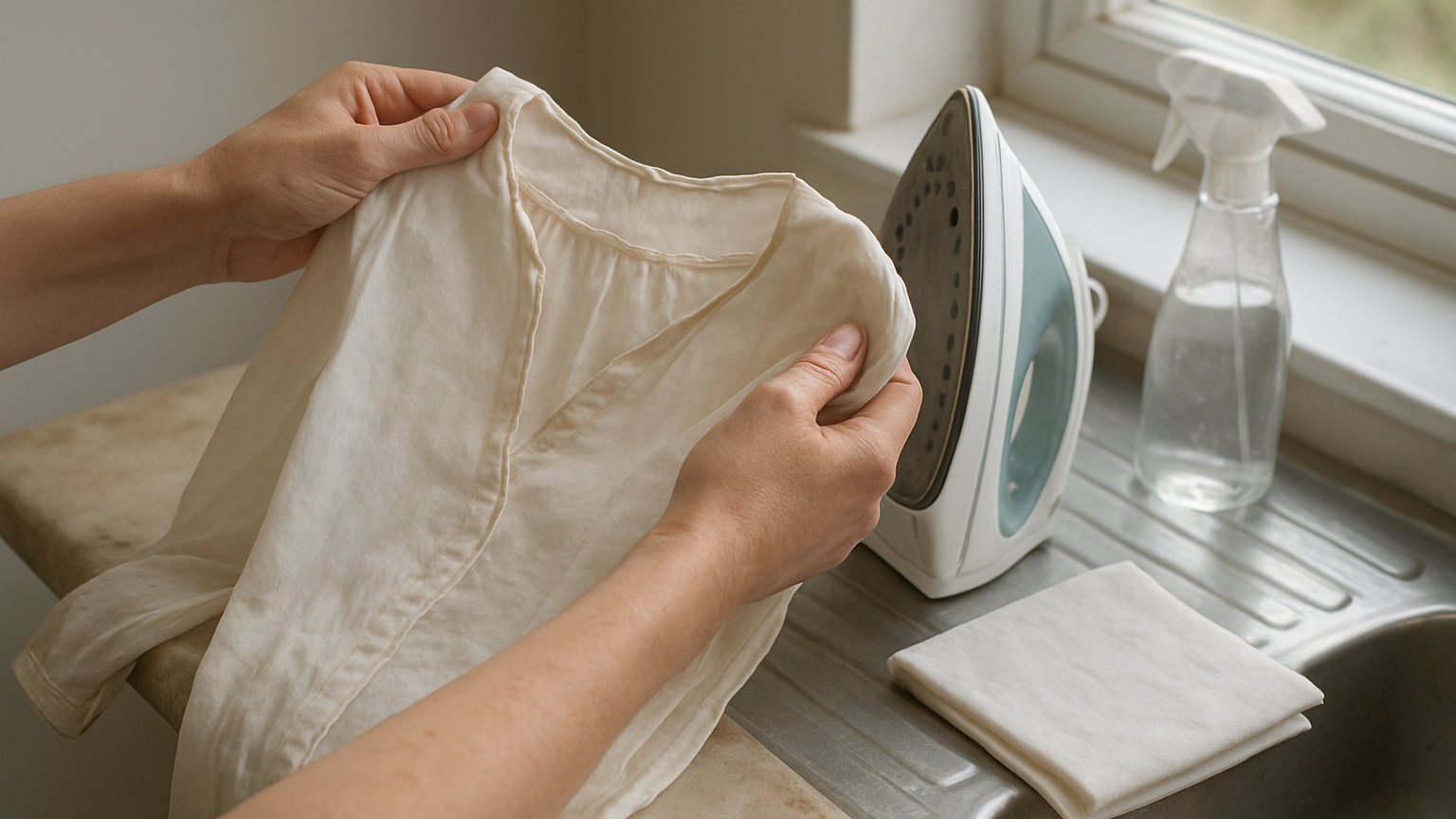
It is simply a piece of clean, thin cotton laid between the iron and the garment. A cotton handkerchief, an old pillowcase or a square of muslin all work, and a piece of plain white cotton is best since coloured fabric can transfer dye under heat.
It spreads the heat, prevents direct contact and stops the polishing effect that creates shine marks. For anything delicate, dark or decorated it is not an optional refinement.
How should silk be handled?
Low to medium heat, on the reverse side, with a pressing cloth, and no steam. Water droplets on silk leave permanent ring marks, which is why most silk labels carry the crossed out steam symbol.
Iron silk while it is very slightly damp rather than wet or bone dry. If it has dried out, place a damp pressing cloth over it rather than spraying the garment directly.
What about lace and fine knits?
Iron on the reverse through a cloth, using low heat and a light touch, and press rather than slide. Sliding the iron over lace catches the raised pattern and pulls threads.
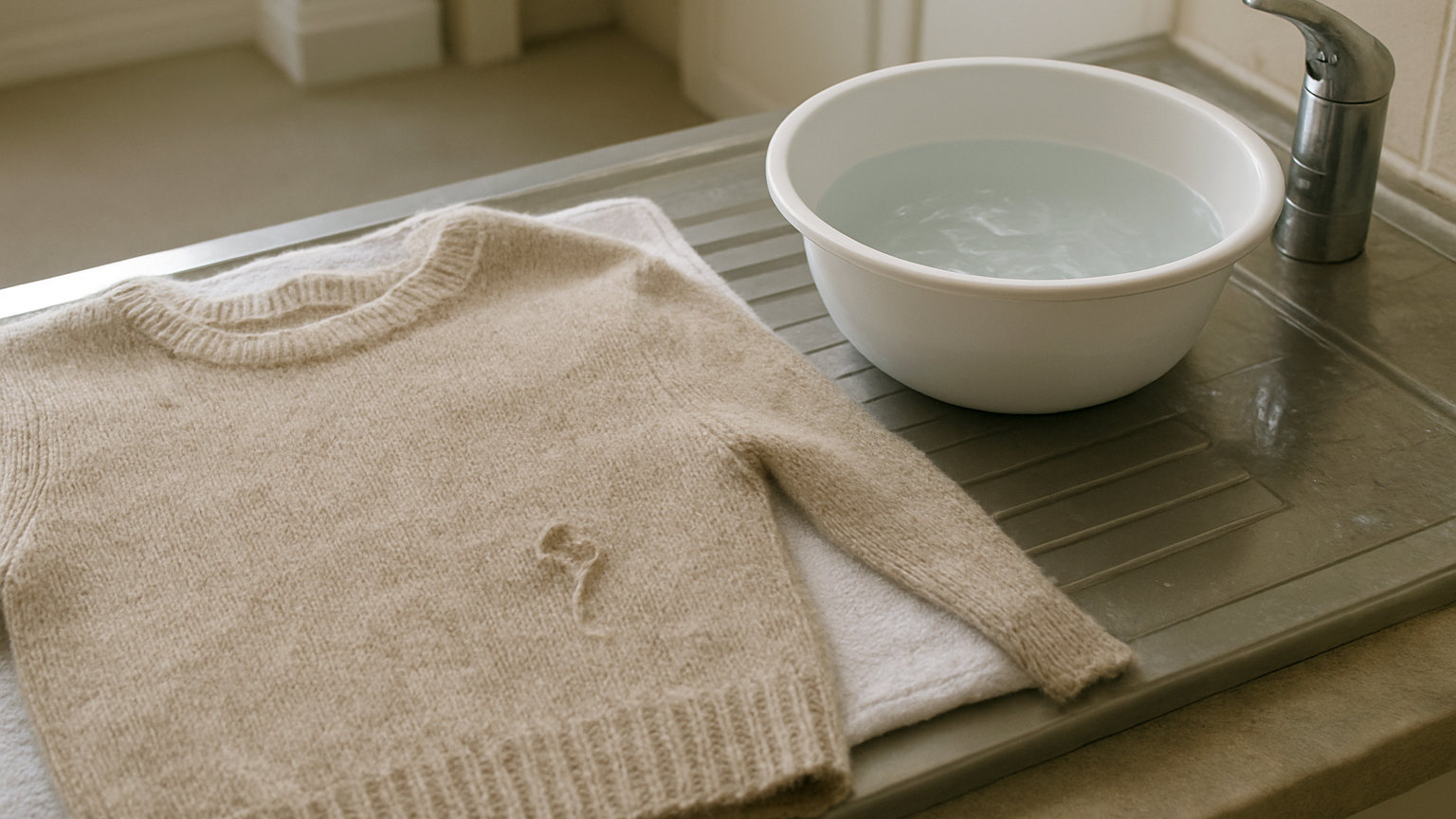
For heavy lace, laying the garment face down on a towel gives the raised pattern somewhere to sit so it is not crushed flat.
How do you deal with prints and transfers?
Never iron directly onto a printed or vinyl design. Plastisol and vinyl transfers soften at ironing temperatures, and they will stick to the soleplate, crack, or transfer onto whatever is next on the board.
Turn the garment inside out and iron the reverse of the print area, or work around it entirely. If the print must be pressed, use a cloth and the lowest heat that achieves anything, and test first.
What about sequins, beads and embellishment?
Do not iron them at all. Sequins are usually plastic and melt readily, beads can crack, and metal ones get hot enough to scorch the fabric around them.
Turn the garment inside out, place it face down on a thick towel so the decoration sinks into the pile, and press the reverse of the fabric between the decorated areas with a cloth and low heat. Better still, use a steamer held at a distance.
Which fabrics need particular care?
- Viscose and rayon – crease badly, scorch easily, and are weak when damp. Low heat, pressing cloth, reverse side.
- Acetate – melts at very low temperatures. One dot setting, no steam, always through a cloth.
- Velvet and corduroy – the pile crushes permanently. Steam from the reverse while the garment lies face down on a towel, or use a needle board if you have one.
- Anything with elastane – low heat, since the elastic fibres degrade well below the temperature the outer fabric can take.
- Metallic threads – reverse side only, low heat.
When should you not use an iron at all?
When the label shows a crossed out iron, obviously, but also whenever a steamer would do the job. A steamer never touches the fabric, applies no pressure and cannot crush a pile or melt a sequin, which makes it the right tool for the majority of decorated and delicate clothing.
Hanging a garment in a steamy bathroom achieves something similar for light creasing and costs nothing.
What is the safe way to test?
On an inside seam, a hem allowance or the inside of a cuff, starting at the lowest temperature. Press for a few seconds, lift, and look at the fabric in good light before going any further. Thirty seconds of testing prevents the kind of damage that cannot be undone.