A full kitchen deep clean is realistic in four to five hours, and the thing that decides whether it takes four or eight is how early you start the jobs that need soaking. Everything baked on, greasy or scaled will come away with almost no effort after twenty minutes in hot water, and with a great deal of effort if you attack it dry.
What should you do in the first ten minutes?
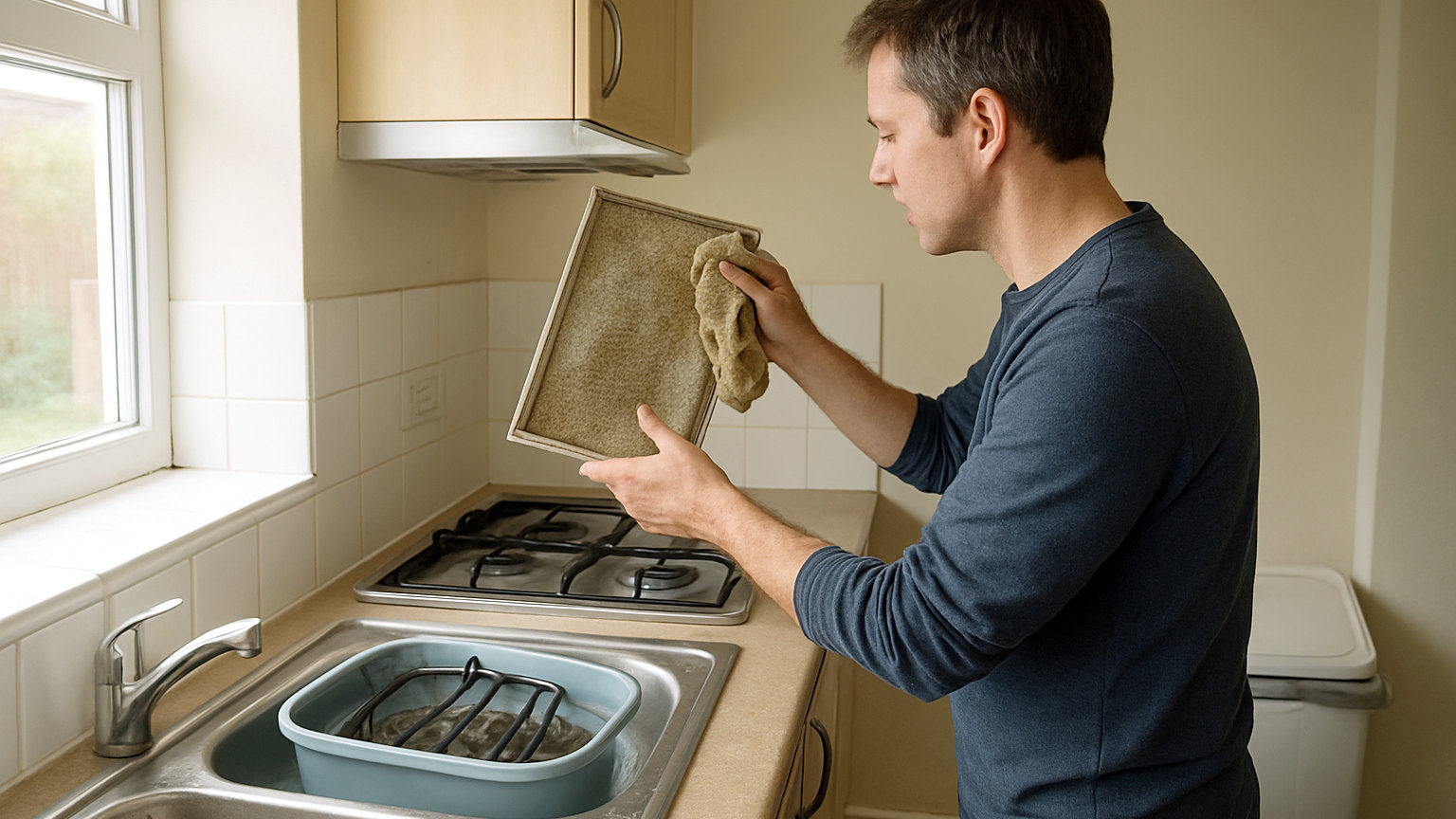
Set the slow jobs going. Fill the sink or a washing up bowl with very hot water and a good squeeze of washing up liquid, and put in the extractor filter, the hob grates or burner caps, and any removable shelves or drawers that will fit. If the oven is being cleaned with a proprietary product, apply it now and leave it to work for as long as the instructions say. Descaler goes in the kettle at the same time.
Then clear the room. Everything that lives on the worktops comes off, everything that belongs elsewhere leaves, and the bin goes out. A deep clean of a cluttered kitchen is mostly moving objects around.
Where do you start on the room itself?
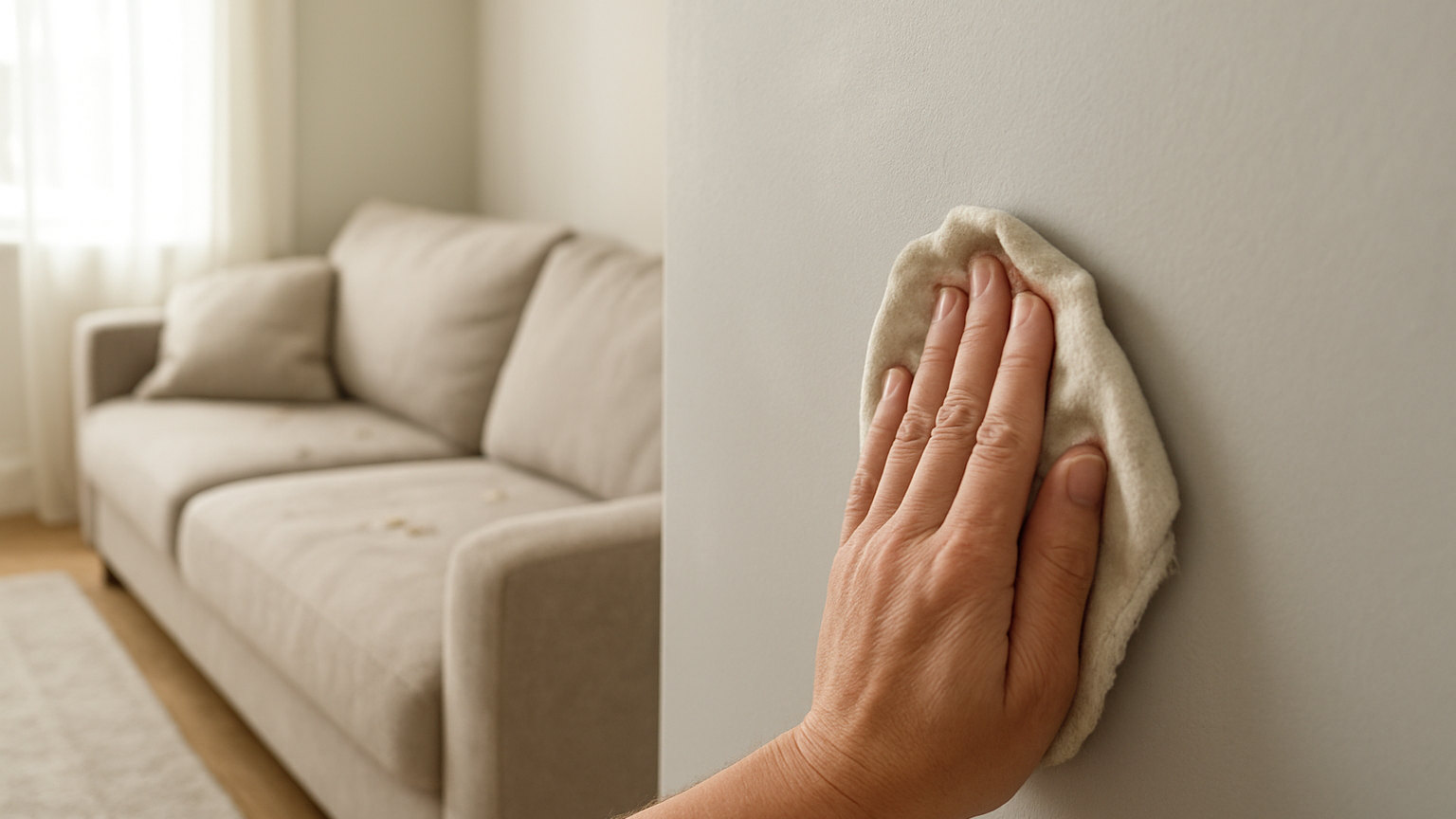
At ceiling height, dry. Cobwebs in corners, light fittings, the tops of wall units and the top of the fridge all hold a surprising amount of greasy dust in a kitchen, and it is far heavier than household dust elsewhere. Take it off dry with a vacuum brush attachment first, then wash what is left with hot soapy water. Wetting it first turns it into a brown film that takes three passes to remove.
How do you tackle cupboards inside and out?
One run of units at a time, and not all at once. Empty a cupboard onto the worktop, vacuum out the crumbs, wash the inside with hot soapy water, dry it properly, and put the contents back while checking dates and binning anything ancient. Then move to the next. Doing every cupboard in the kitchen simultaneously creates a mountain of tins that makes the job feel impossible.
The outside of the doors matters more for appearance. The greasy film on cupboard fronts is airborne cooking residue and it responds to warm water and washing up liquid, which cuts grease by design. Work from the bottom of each door upwards to avoid streaks running down over dry areas, then dry with a clean cloth.
Which appliances need doing, and in what order?
- The extractor – filter out of the soak, rinsed, dried and replaced. The housing gets washed while the filter drains.
- The oven – interior, glass door and shelves, once whatever you applied earlier has had time to work.
- The hob – after the oven, because oven cleaning drips downwards.
- The fridge – emptied, shelves washed, drain hole at the back of the compartment cleared, seals wiped and dried.
- The dishwasher and washing machine – filters rinsed, seals wiped, then a hot maintenance cycle run empty while you carry on.
- Small appliances – microwave steamed clean, toaster crumb tray emptied, kettle rinsed after descaling.
What about the parts nobody sees?
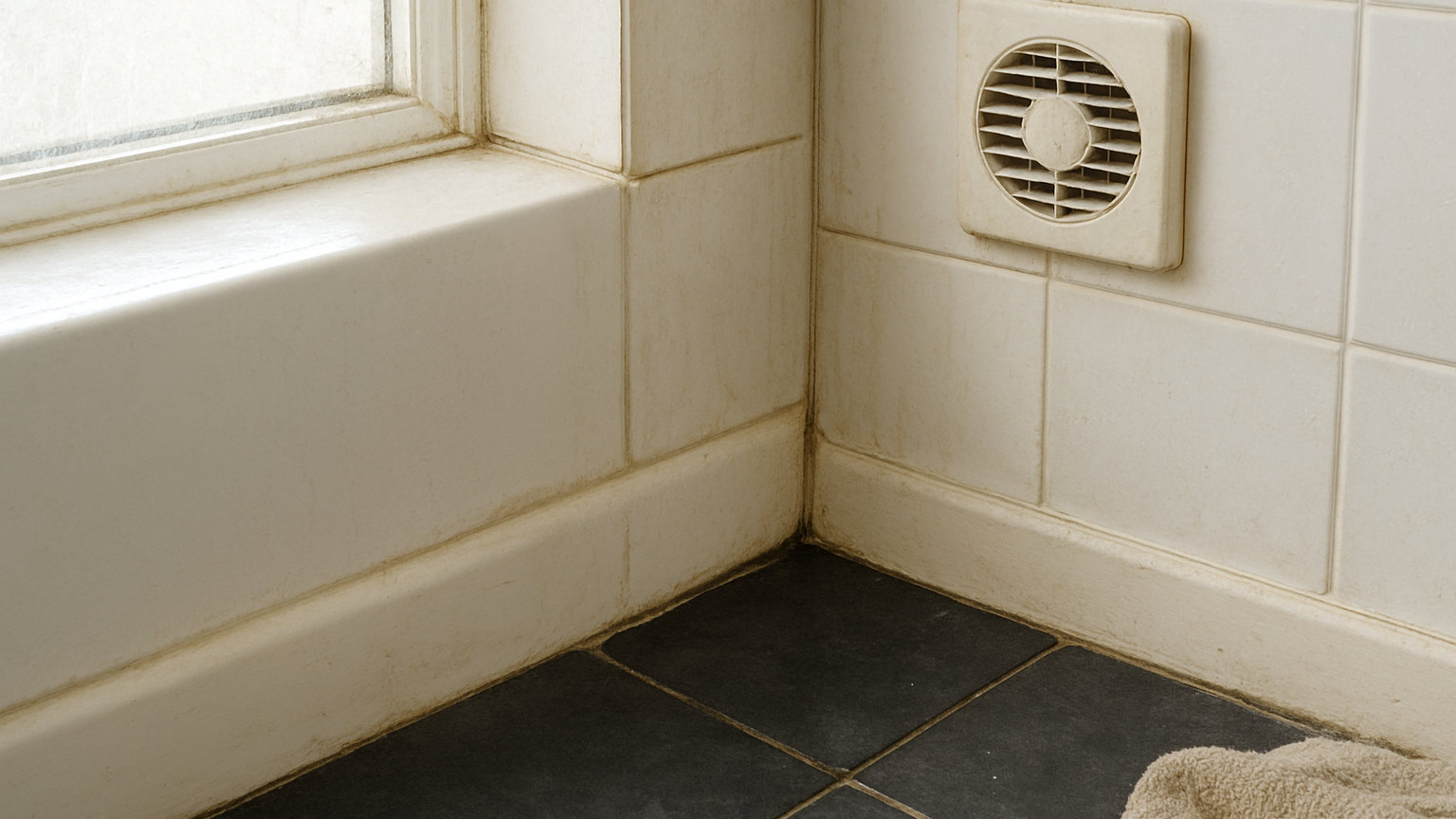
This is what separates a deep clean from a thorough weekly one. Pull out the freestanding appliances if you can do it safely and clean the floor and walls behind them. Wipe the tops and sides of the units where they meet the wall. Clean the plinths at the bottom of the cupboards, the skirting, the radiator, and the window frame and sill. Wash the bin inside and out, including the lid mechanism, which is where most bin smells actually live.
What comes last?
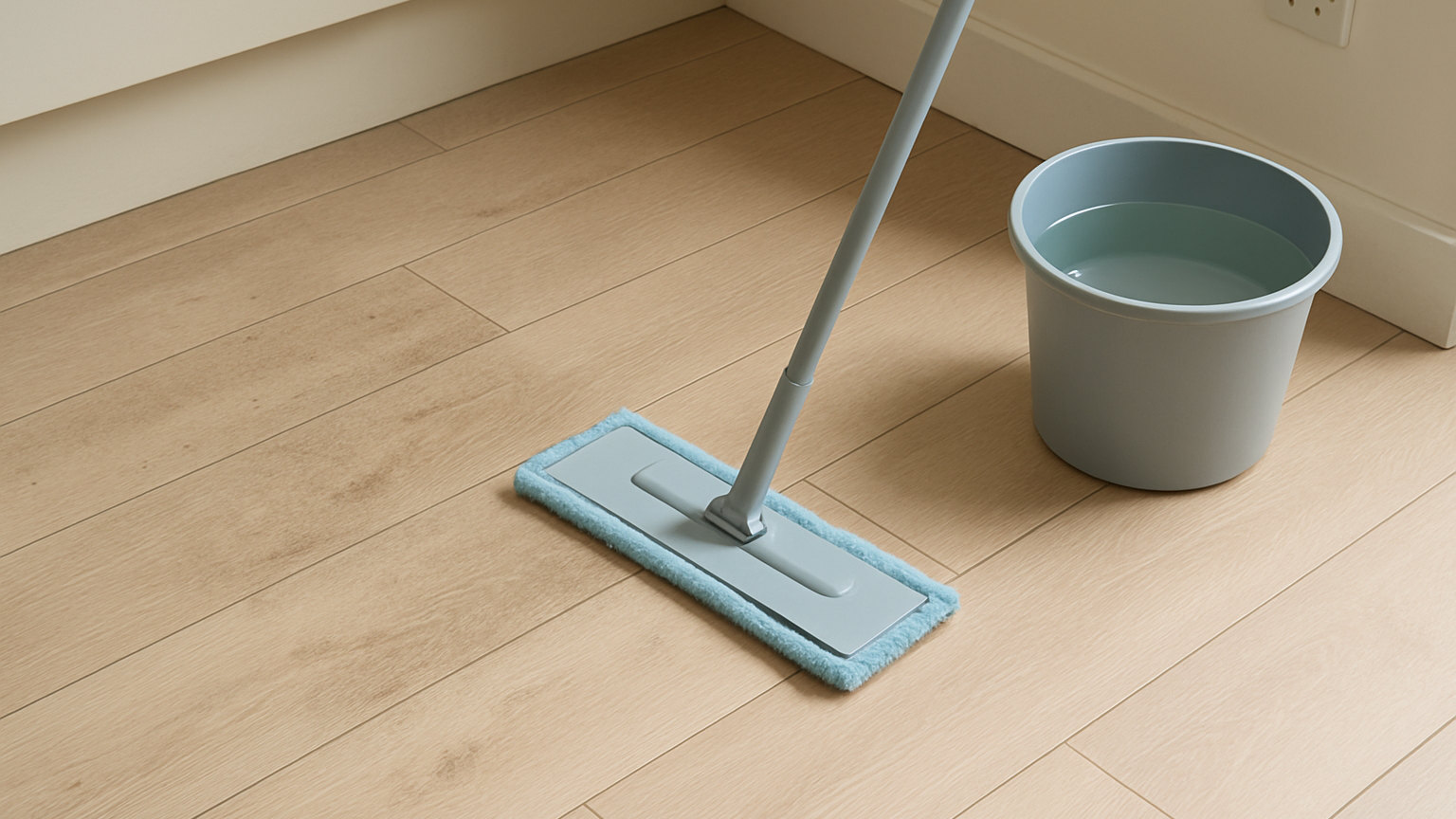
The sink, then the floor. Clean the sink properly once every other wet job is finished, including the plughole and the overflow, and polish the taps dry to stop water marks forming. Then vacuum the whole floor, including under the toe kicks, and mop backwards out of the room.
Put everything back onto clean, dry surfaces only. A deep clean undone by replacing a sticky oil bottle onto a spotless worktop is a familiar and avoidable disappointment.