Almost every vacuum ships with a set of attachments, and in most households they stay in the box. Each one exists because the floor head physically cannot do that job, and using the right tool takes less time than struggling with the wrong one.
What is the crevice tool for?
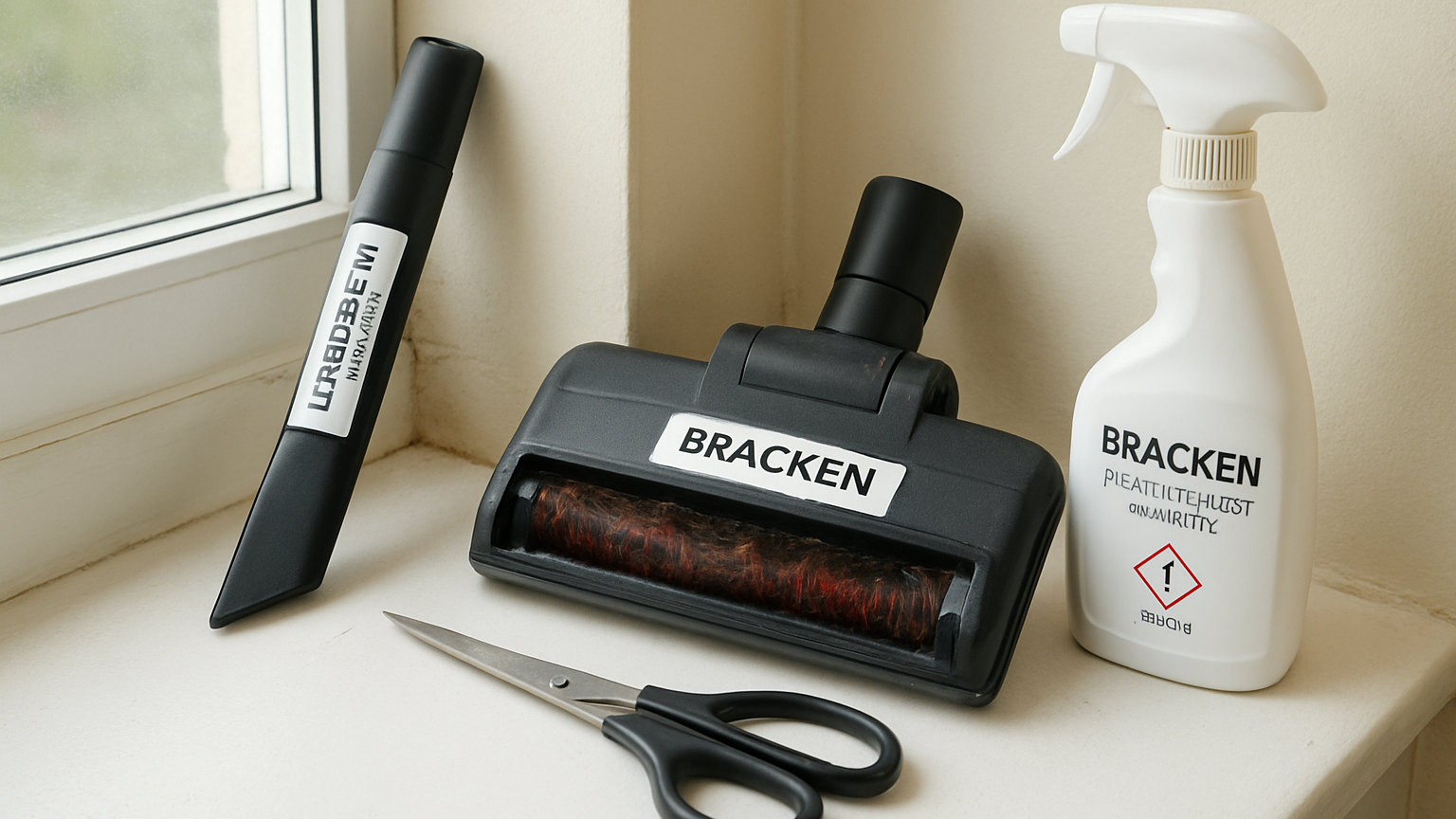
The narrow flat nozzle, and the most useful attachment there is. It concentrates the airflow into a small area, which gives far higher velocity at the tip.
Use it for skirting boards, the edges of carpet where dust accumulates, between sofa cushions, along window tracks and runners, around radiators, in the car, and anywhere two surfaces meet.
The edges of a carpeted room hold more dust than the middle and a floor head cannot reach them, which makes this the tool that changes how clean a room actually is.
What is the dusting brush for?
The round head with soft bristles, for surfaces that would be scratched or disturbed by a hard nozzle.
Use it on skirting board tops, picture frames, lampshades, shelves, blinds, radiator fins, bookshelves and the tops of doors. It removes dust rather than redistributing it, which a cloth on a high surface often does.
What is the upholstery nozzle for?
The wide flat head, usually with a fabric strip across it. The strip catches lint and hair while the wide opening covers ground quickly.
Use it on sofas, armchairs, mattresses, curtains and car seats. It is far better than a floor head on soft furnishings, which is too aggressive and cannot get into the seams.
What is a turbo or mini motorised brush for?
A small head with a rotating brush bar, driven either by the airflow or by its own motor. It agitates fabric so embedded hair is released.
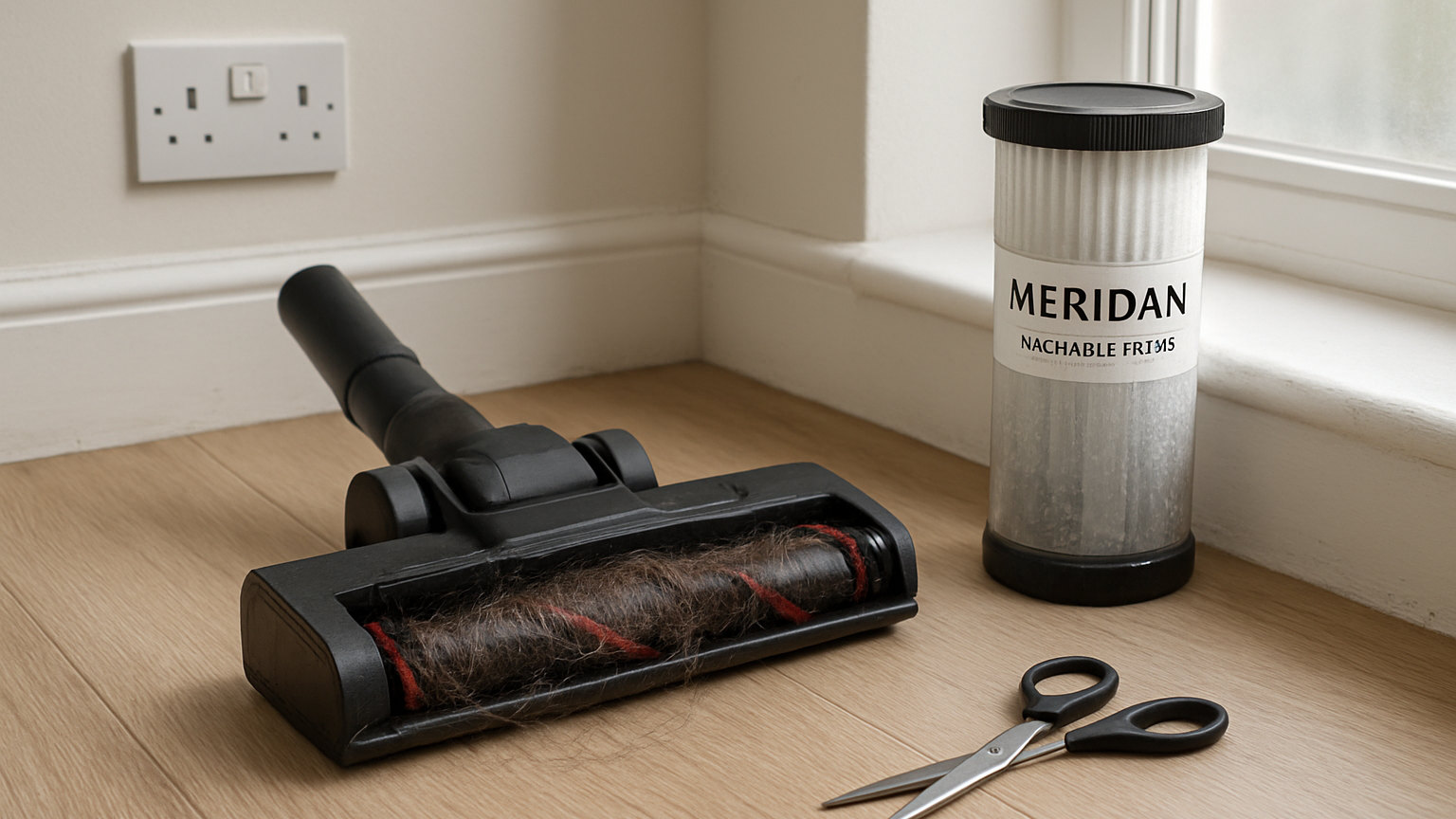
It is the best tool for pet hair on upholstery, stairs and car seats, and it makes a noticeable difference where a plain nozzle leaves hair behind. Clear it of wrapped hair as you would a floor brush bar.
What about a hard floor head?
A wide head with a soft brush strip or a soft roller, for wood, tile, vinyl and laminate. It gives a better seal on a flat surface than a carpet head and does not scatter debris the way a rotating bar can.
Where a machine has only one head, switching the brush bar off achieves much of the same.
What extras are worth buying?
- An extension hose or wand, for high ceilings, cobwebs and behind heavy furniture.
- A flexible crevice tool, which reaches under appliances and down the sides of beds.
- A mattress tool, if you do not have an upholstery nozzle.
- A radiator brush, long and thin, for between fins.
- A pet hair tool, if hair on furniture is a recurring problem.
Why do they get ignored?
Because they are usually stored somewhere other than with the machine, and changing tools mid job feels like an interruption. Keeping the two or three you actually use clipped to the vacuum or in a bag beside it changes that entirely.
Do they need cleaning?
Yes, and they rarely get it. Brushes clog with dust and stop picking up. Upholstery nozzles fill with hair caught in the fabric strip. Turbo brushes wrap with hair like any brush bar.
Wash the ones that can be washed in warm soapy water, dry them completely, and pull hair out of the rest.
What is the practical set?
The crevice tool and the dusting brush cover the majority of what a floor head misses. Add an upholstery nozzle if you have fabric furniture and a turbo brush if you have pets, and that is everything most houses need.
Do attachments from other machines fit?
Sometimes. Many vacuums use a standard 32mm or 35mm fitting, and adaptors are widely sold. It is worth measuring before buying a third party tool, since a poor fit leaks air and reduces suction at the tip, which is exactly where it matters.