Carpet and hard floors need different things from a vacuum. Carpet needs agitation to release dirt from between the fibres; hard floors need suction and a soft contact that does not scatter debris or scratch the surface. Most machines can do both, and they need adjusting.
What does carpet need?
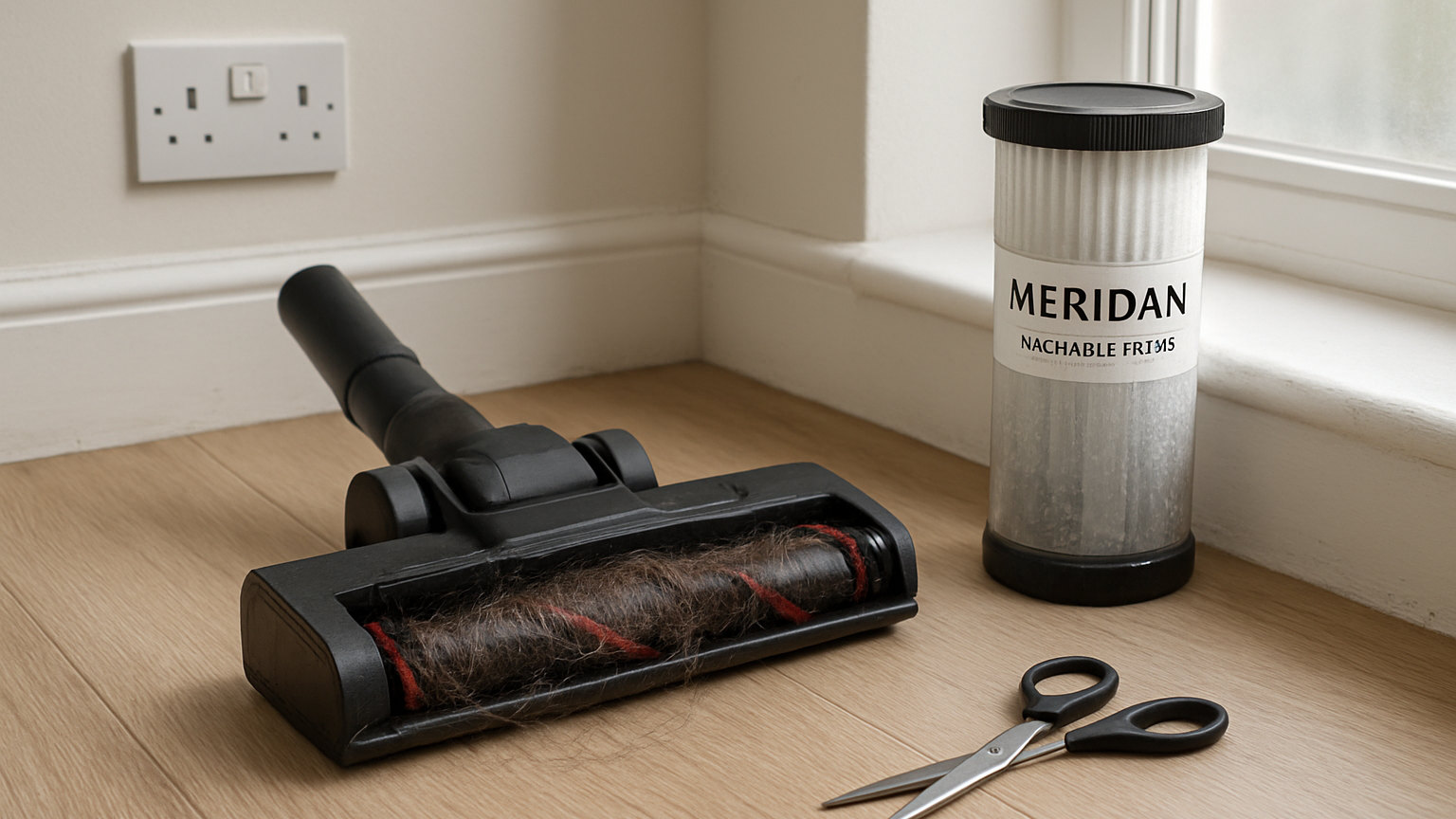
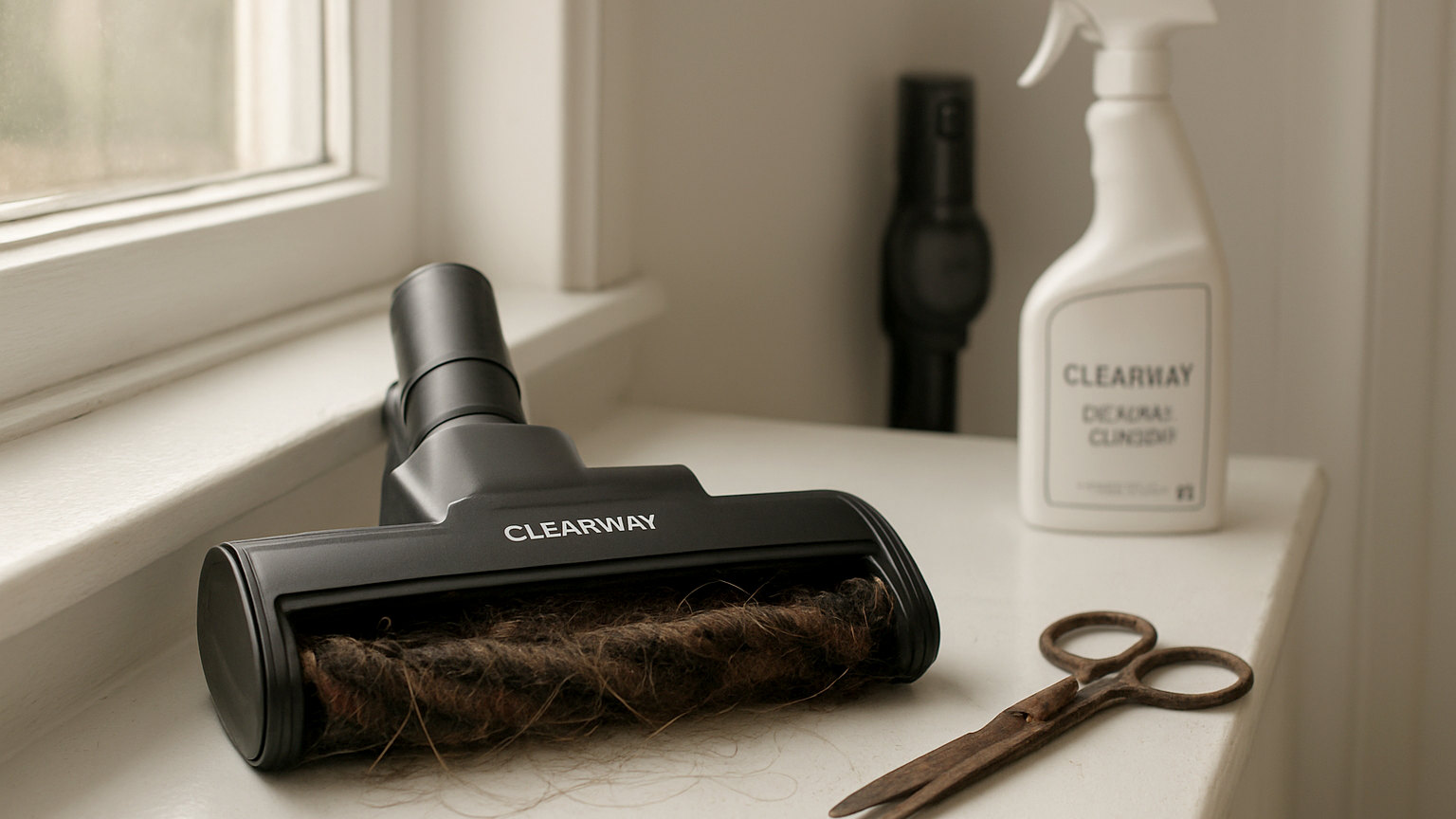
A rotating brush bar, which beats and combs the fibres so that embedded dirt is lifted into the airflow. Without it, a vacuum removes only what is sitting on the surface.
Set the head height so the machine still pushes easily. Too low and it seals against the pile and restricts airflow; too high and the bristles do not reach the fibres.
Use slow overlapping passes and go over high traffic areas twice, at right angles the second time.
What do hard floors need?
Suction and a soft brush strip or a soft roller. A rotating bristle bar on a hard floor scatters larger debris ahead of the machine rather than collecting it, and can mark softer finishes.
Switch the brush bar off or fit the hard floor head. Move more slowly than feels necessary, since debris is pushed by the airflow and needs a moment to be drawn in.
What about wooden floors specifically?
Grit is the main risk, since it is dragged under the wheels and the head and scratches the finish. Vacuum before mopping rather than after, and check the wheels and the soleplate of the head for embedded grit.
Avoid the beater bar entirely on wood. A soft roller head is ideal, since it picks up fine dust that a brush strip can push around.
What about tiles and grout lines?
Grout lines sit below the tile surface and collect grit that a head passes over. Use the crevice tool along the worst lines occasionally, and vacuum more often rather than mopping more often, since grit dragged around by a mop scratches tiles and pushes dirt into the grout.
What about rugs on hard floors?
Awkward, because a powerful head can pull a light rug along or suck up the corner. Vacuum towards the edge rather than across it, and hold the far edge down with a foot if it lifts.
Non slip underlay helps considerably, both for vacuuming and generally.
What about delicate and antique rugs?
Turn the brush bar off and use suction only, or use an upholstery tool. A rotating bar pulls loops out of a loop pile rug and damages hand knotted ones.
Vacuum in the direction of the pile. For fringes, either avoid them entirely or cover them with a piece of mesh and vacuum through it, since fringes get pulled in and damaged easily.
Turn a rug over occasionally and vacuum the underside, then the floor beneath, which is where the grit falls through to.
What about high pile and shag carpet?
Use the highest head setting and suction rather than aggressive agitation, since a brush bar tangles in long fibres. Several slow passes work better than one hard one.
Some machines struggle with very deep pile regardless of setting, and a cylinder with a suction only head is often better than an upright.
What about transitions between floor types?
The doorway strips and the edges where carpet meets hard floor collect grit and are usually missed. Run the crevice tool along them occasionally.
Machines with automatic floor detection handle the change well; on others it is worth switching the head or the brush bar setting rather than carrying on.
What is the summary?
Brush bar on for carpet, off for hard floors and delicate rugs. Adjust the height so the machine moves easily. Go slowly everywhere. And use the crevice tool at the edges, which no floor head reaches whatever the surface.
What about vinyl and laminate?
Both are hard floors with a wear layer that scratches, so the brush bar comes off and grit matters more than dust. Check the wheels of the head for embedded grit occasionally, since a piece caught in a wheel will score a line across a whole room before anyone notices.