A living room cleans fastest when it is done in one direction, from the top of the room to the floor, with tidying separated out and done first. The common alternative – vacuuming early because it feels productive, then dusting afterwards – means doing the floor twice, and that is where most of the wasted time goes.
Why does tidying have to come first?
Because cleaning around objects takes far longer than cleaning a clear surface, and because every object picked up mid-clean is an interruption. Clear the room first: mugs and glasses out, papers and post gathered, toys away, throws folded, anything belonging elsewhere taken there in one trip.
Ten minutes of tidying usually saves fifteen minutes of cleaning, and it makes the finished room look dramatically better for the same total effort. It is also easier to keep going once a room is clear, because the remaining work is obvious rather than buried.
What is the sequence?
- Open a window and let the room air while you work.
- Tidy and clear every surface and the floor.
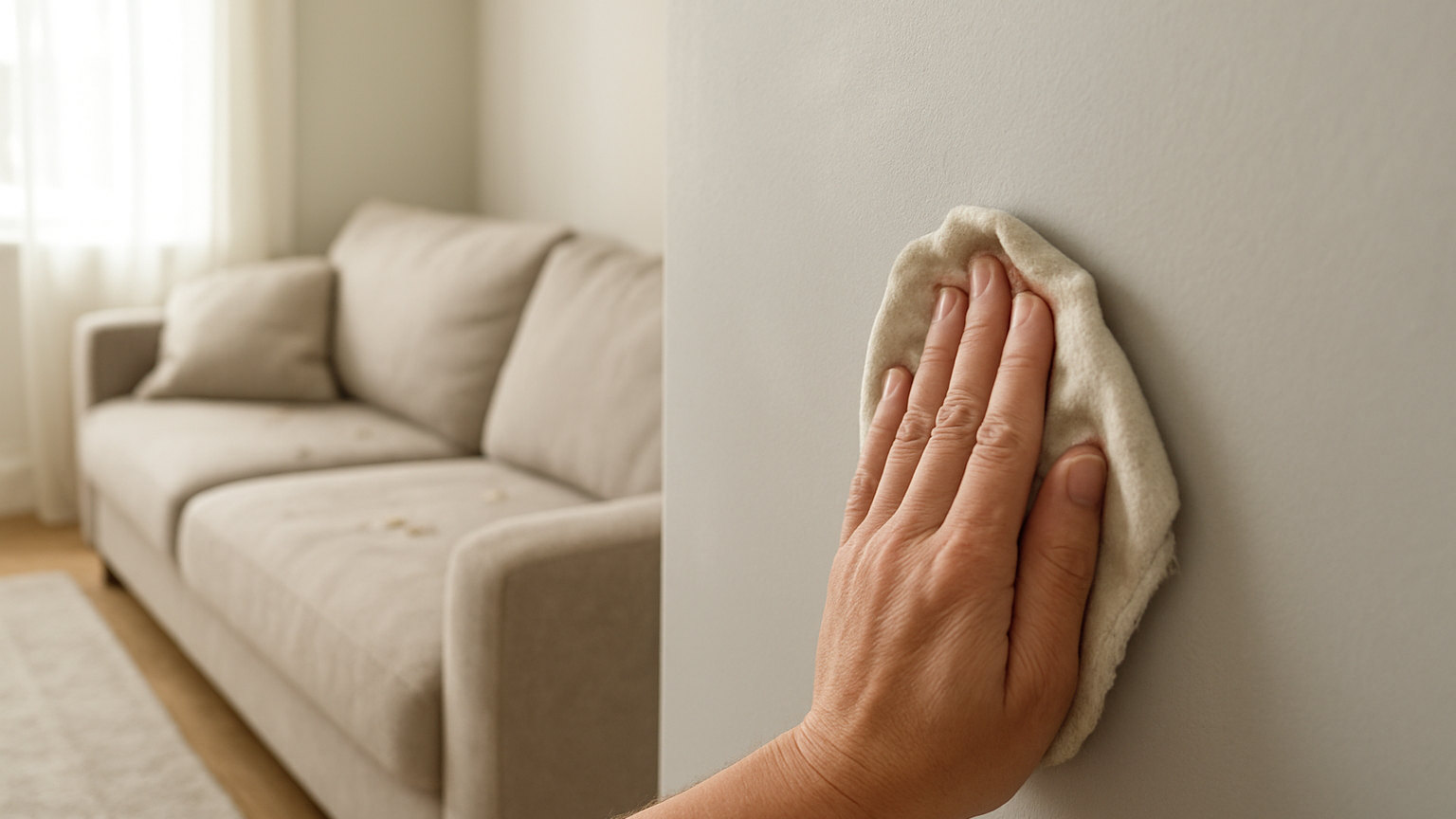
- High level, dry. Cobwebs in corners, light fittings, lampshades, the tops of doors, picture frames and curtain poles.
- Curtains and blinds, vacuumed or dusted, if it is a month when they are due.
- Furniture surfaces, working round the room in one direction so nothing is missed.
- Electronics, screens and cables, dry only.
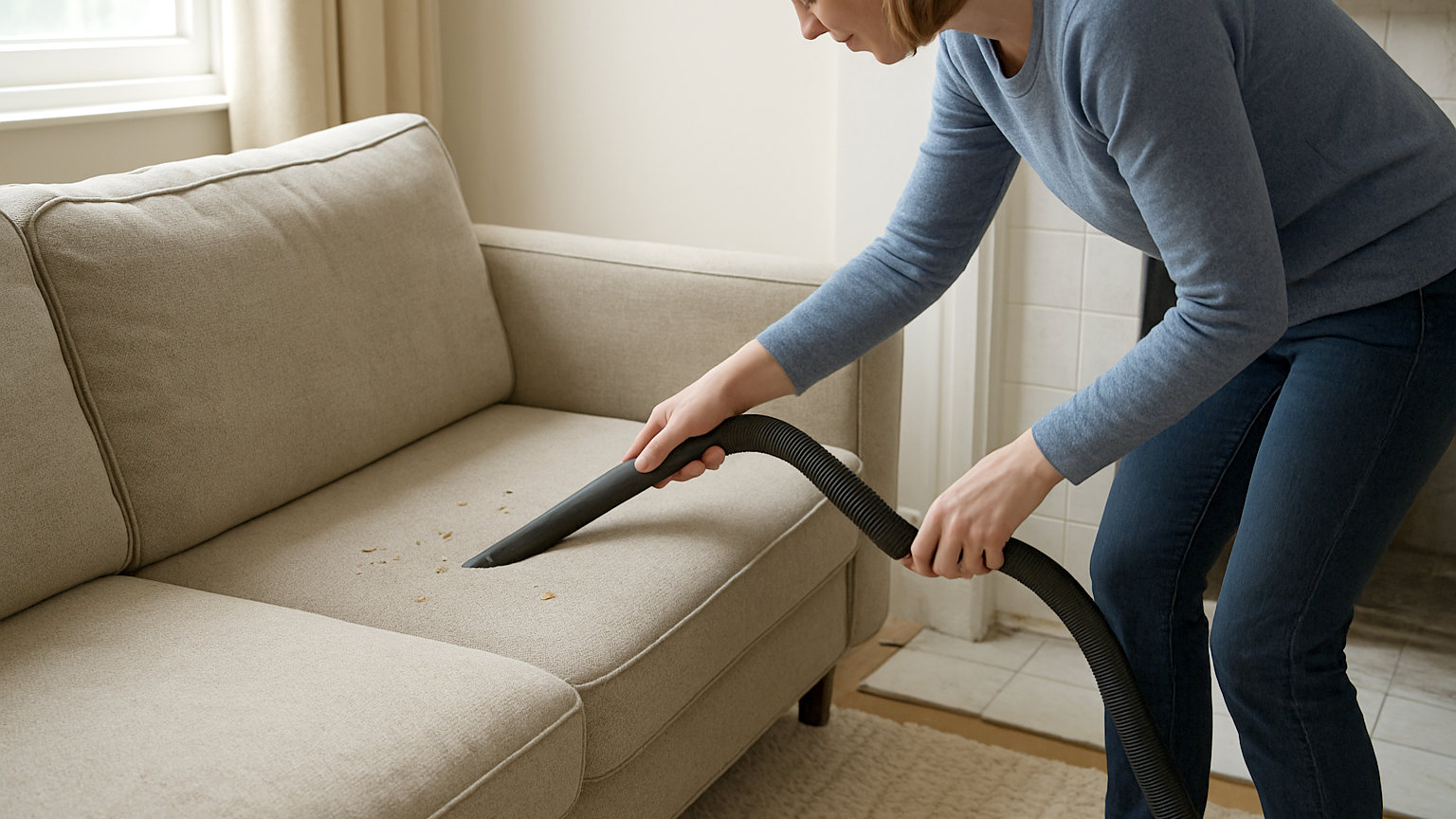
- Upholstery. Cushions off, vacuum the seats, the seams and down the sides, then the cushions themselves.
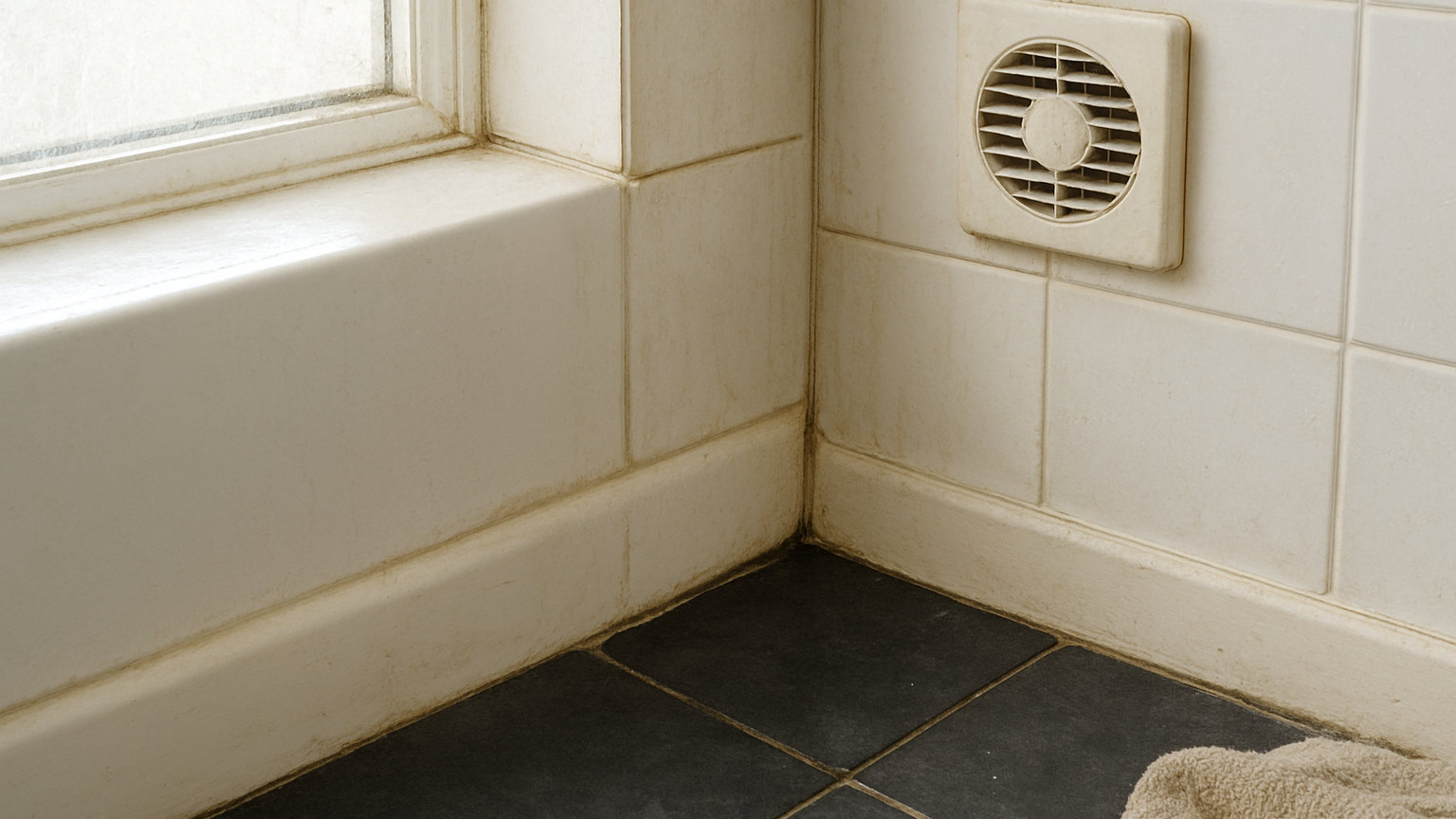
- Low level. Skirting boards, radiators, the legs of furniture.
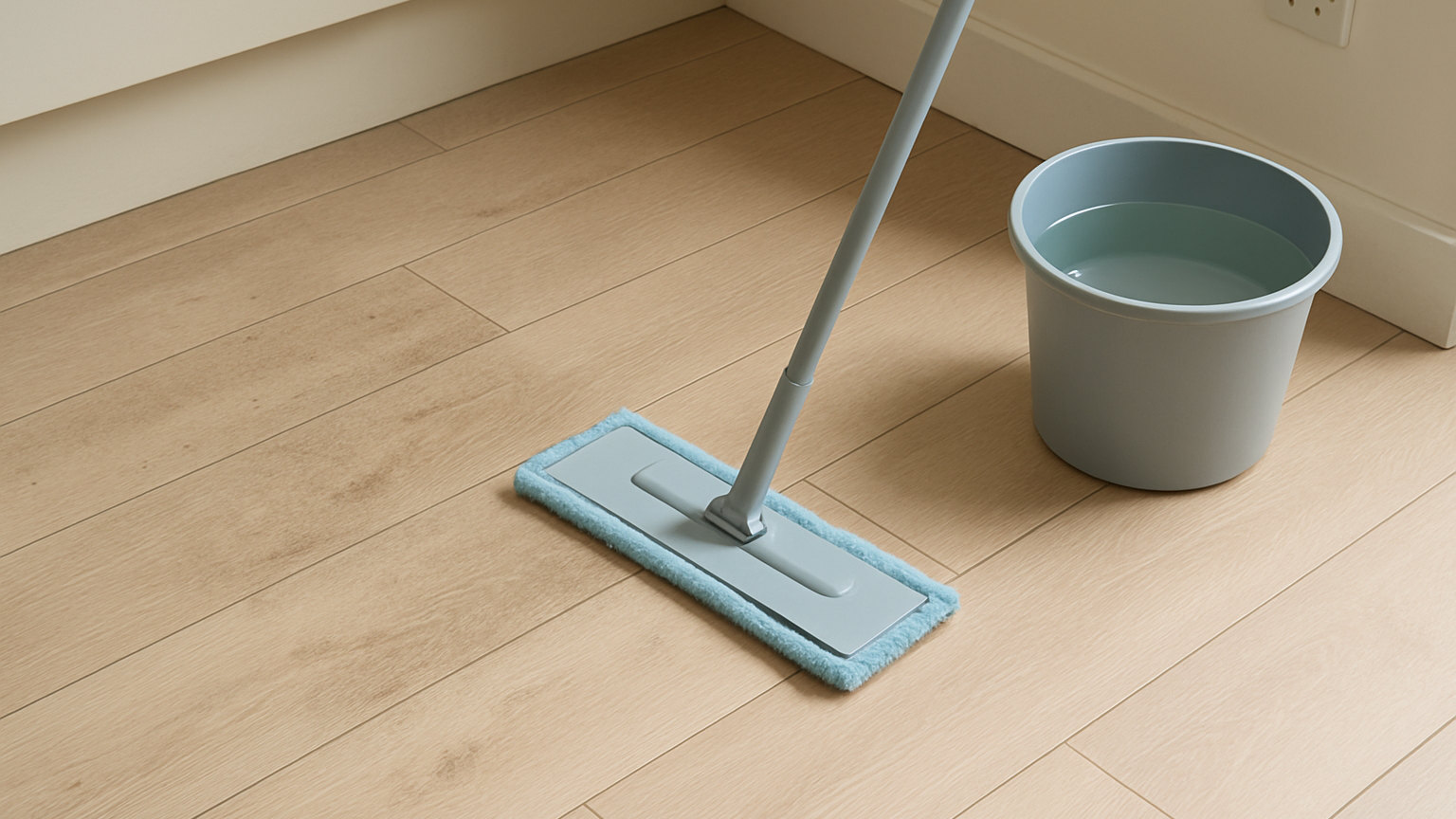
- Floor last. Vacuum, then mop if it is a hard floor, working backwards towards the door.
Why does the floor have to be last?
Because everything above it sheds downwards. Dusting sends particles to the floor, vacuuming a sofa throws crumbs onto the carpet, and shaking a cushion redistributes a surprising amount. A floor vacuumed at the start of a clean will need doing again by the end, and most people simply do not, which is why the room never quite looks finished.
Should you dust before or after vacuuming the sofa?
Dust first. Surfaces are above the seat level in most rooms, and dusting a shelf above a sofa drops fine particles straight onto the upholstery. Doing the sofa afterwards catches them.
Allow a few minutes between dusting and the final vacuum where you can, so airborne particles settle rather than drifting down onto a floor you have just finished.
What should you have with you before you start?
Everything, so you do not leave the room mid-job. Two microfibre cloths, one dry for screens and electronics and one slightly damp for surfaces. A bin bag or basket for anything that needs to leave. The vacuum with an upholstery tool and a crevice tool attached. A glass cleaner if there are mirrors or glass tables.
Each trip out of the room costs a few minutes and usually ends with getting distracted by something else on the way back. A small caddy or a bucket holding the cloths and sprays solves this permanently and can be carried from room to room.
How does the order change for a quick clean?
It shortens rather than changes. Tidy, dust the surfaces people actually look at, plump the cushions, wipe the coffee table, and vacuum the visible floor. That takes fifteen minutes and covers everything a visitor notices. What gets dropped – high level dust, upholstery, skirting, curtains – is exactly the group that can safely wait.
Where does the monthly list fit in?
Attached to the same sequence rather than done separately. In the week you tackle the monthly jobs, add the extra items at the point in the order where they belong: lampshades and picture tops during the high level stage, curtains after that, behind the sofa during the upholstery stage, and skirting and radiators at low level.
That way the monthly clean is a longer version of the weekly one rather than a separate project, and it is far more likely to actually happen.