Cushion covers and throws are among the few soft furnishings in a living room that can actually be washed, which makes them worth doing regularly. They are also the items most likely to come out of the machine shrunk, faded or misshapen, usually because they were washed too hot or dried too aggressively.
How often should they be washed?
Every one to three months for cushion covers in regular use, and monthly for throws, which take far more direct contact. Anything that a pet sleeps on, or that lives on the seat people use most, needs doing more often. Decorative cushions that nobody leans on can go six months.
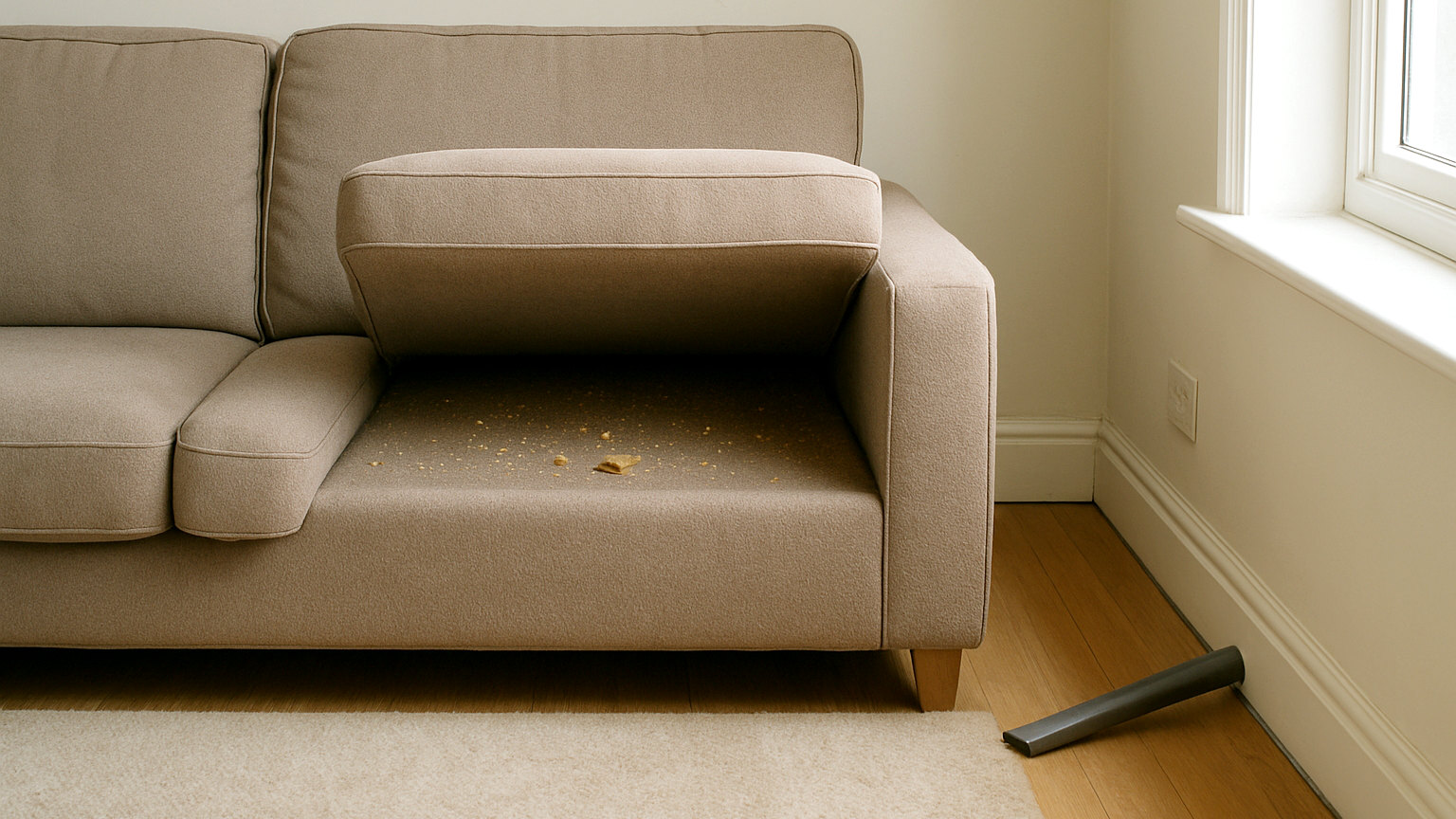
Shake and vacuum them weekly in between, which removes most of the dust, hair and crumbs before they work into the fabric.
What should you check before washing?
The care label, obviously, but also three other things. Whether the cover actually comes off, since some are sewn shut. Whether the fabric is likely to shrink, which applies to cotton, linen and anything with a loose weave. And whether the colour is likely to run, which is worth testing by dampening a hidden corner and pressing a white cloth against it.
Dark, saturated colours and anything hand dyed should be washed separately the first time.
What is the safe washing method?
- Remove the inner pad and zip or fasten the cover closed, which stops it stretching and snagging.
- Turn covers inside out to protect the surface and any print.
- Wash at 30 degrees on a gentle or delicate cycle, with a reduced detergent dose.
- Use a low spin. High spin speeds crease fabric badly and can distort a loose weave.
- Skip fabric conditioner on anything textured, since it flattens the pile and reduces absorbency.
- Wash all the covers from one set together, so any slight colour change or shrinkage is consistent across the set.
How should they be dried?
Air dried, almost always. A tumble dryer is where most shrinkage happens, and the heat is harder on the fabric than the wash itself. Dry covers flat or on a line out of direct sunlight, which fades colours.
Put the cover back on the pad while it is still very slightly damp. It will be tight, which is exactly what you want, and it will dry to shape rather than staying loose or refusing to fit.
What about the inner pads?
Feather and hollowfibre pads can usually be washed two or three times a year at 40 degrees, provided they fit loosely in the drum. The important part is drying: tumble dry on low with a couple of dryer balls, stopping every twenty minutes to shake and redistribute the filling. A pad put away damp will smell within days and the smell does not wash out.
Foam pads should not go in a machine at all. Vacuum them, spot clean if needed, and air them outdoors on a dry day.
How do you handle wool and knitted throws?
Wool needs a wool cycle at 30 degrees with a wool detergent, or hand washing in cool water with minimal agitation. Never wring a wool throw. Press the water out, roll it in a towel to absorb more, then dry flat and reshape by hand. Hanging a wet wool throw over a line stretches it permanently.
Chunky knits and anything with a fringe are best dried flat too, with the fringe combed straight while damp.
What if a cover has shrunk?
Sometimes it can be recovered. Soak the cover in cool water with a capful of hair conditioner for half an hour, which relaxes the fibres, then gently stretch it back to shape while damp and dry it flat. This works reasonably well on cotton and wool and not at all on synthetics, where the shrinkage is permanent.
The better approach is to avoid it: wash cool, dry flat, and treat the first wash of anything new as the test.