Bagged and bagless vacuums both work, and the choice is a trade between running cost and how unpleasant emptying is. Neither is universally better, and the right answer depends more on the household than on the technology.
What are the arguments for bagless?
- No consumable cost, which over a decade is a meaningful saving.
- You can see when it needs emptying, and retrieve anything sucked up by accident.
- No risk of running out of bags at an inconvenient moment.
- Less waste in the sense that no bag is thrown away.
What are the arguments for bagged?
- Emptying is clean: the bag is sealed and binned without releasing dust.
- Better for allergy sufferers, since the dust is contained.
- Larger capacity in most cases, so less frequent emptying.
- The bag acts as a filter, which often means less filter maintenance.
- Suction stays more consistent as the bag fills, with a good quality bag.
Why does emptying matter so much?
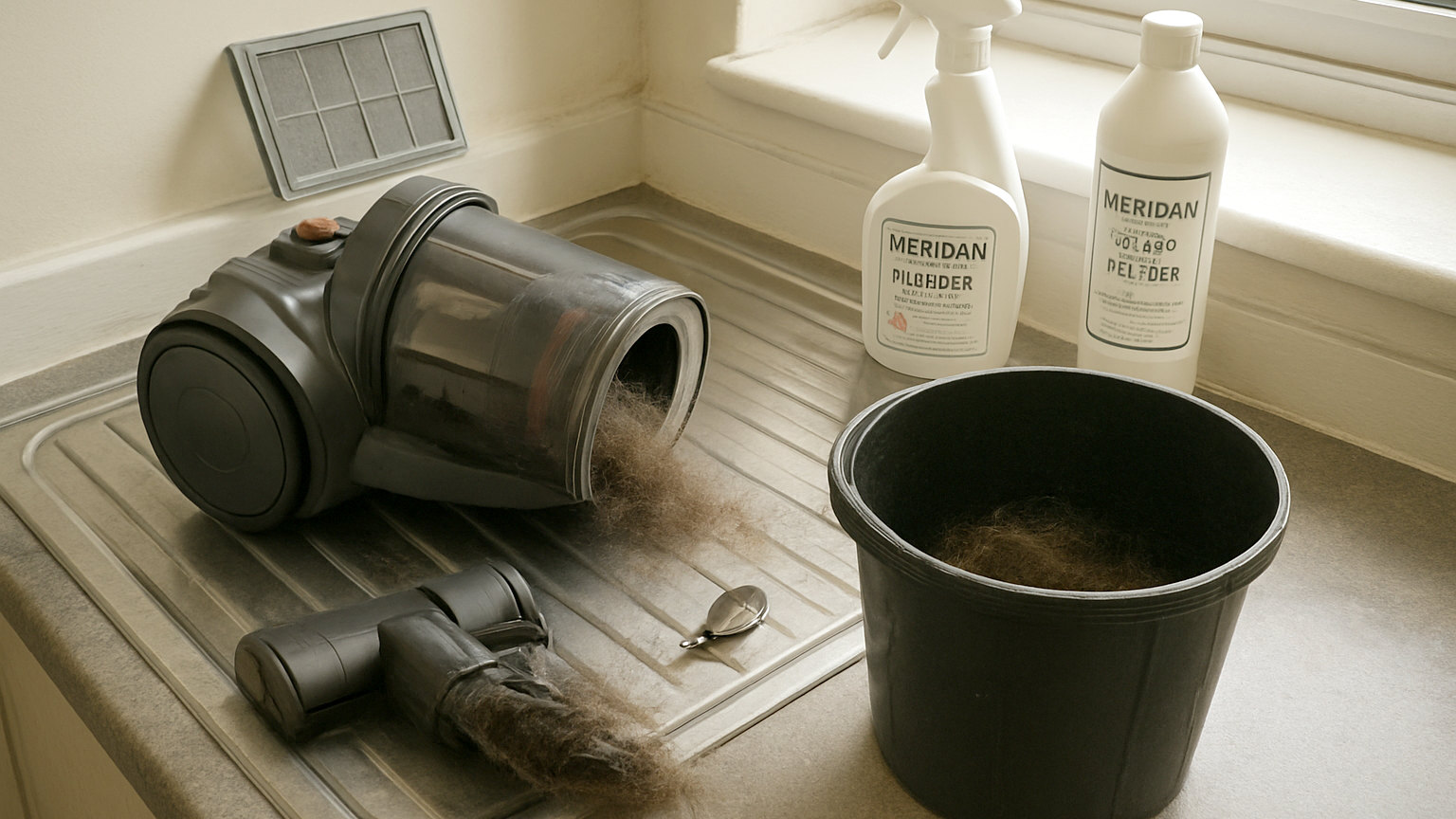
Because emptying a bagless cylinder releases a cloud of fine dust, which is the material you have just spent time removing from the floor. Doing it indoors puts a proportion of it straight back into the air.
Empty a bagless machine outdoors, or into a bin bag held tightly around the cylinder. For anyone with asthma or a dust allergy, this is the strongest argument for a bagged machine.
What does it actually cost?
Bags typically cost a few pounds each and a household might use half a dozen a year, so the running cost is modest rather than trivial. Over ten years it adds up to a noticeable sum.
Against that, bagless machines need their filters washing regularly, and filters eventually need replacing, which narrows the gap.
Does filtration differ?
Not inherently. Good and poor examples exist of both. What matters is whether the system is sealed, so that all the air passes through the filter rather than leaking around it.
A bagged machine with a quality multi layer bag does have an advantage in that the bag itself is a large filter surface, which is why they often need less filter cleaning.
Do bagless machines lose suction?
They can, though not for the reason usually claimed. The cyclonic separation keeps larger debris out of the filter reasonably well, and fine dust still reaches it and clogs it over time.
A bagless machine with a washed, dry filter maintains suction well. One with a filter that has never been cleaned loses it badly, and that is the most common cause of a vacuum that seems to have stopped working.
Which is better for pet hair?
Bagless has a practical edge, since pet hair fills a cylinder visibly and can be pulled out by hand. Bagged machines cope fine and get through bags faster.
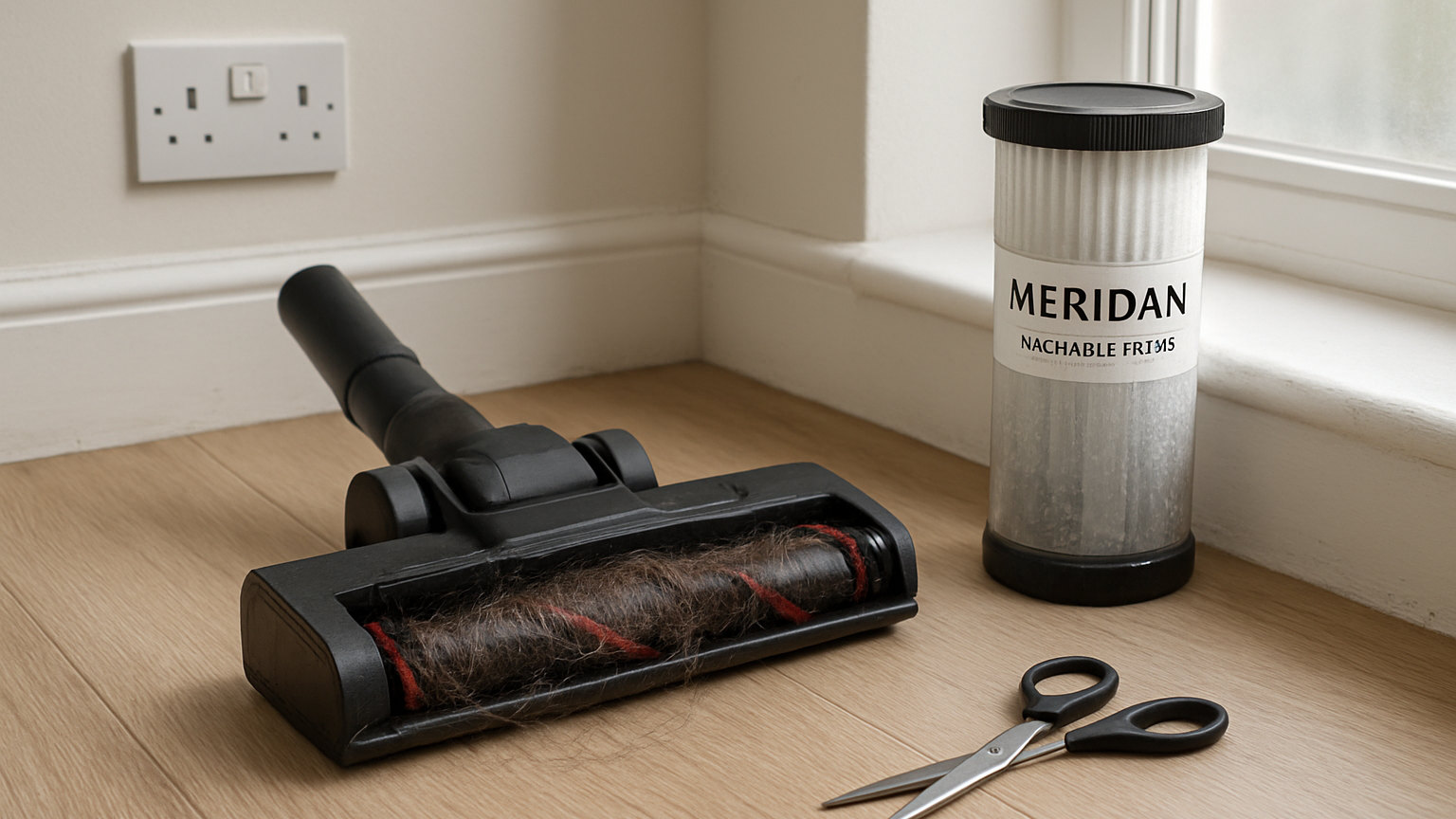
The head design matters more than either, since hair wrapping around a brush bar is the real problem.
Which suits allergy sufferers?
Bagged, generally, with a sealed system and a HEPA filter. The sealed disposal is the deciding factor, since it avoids the dust release that emptying a cylinder involves.
If a bagless machine is preferred, empty it outdoors and wash the filters on schedule.
What is the practical answer?
For a household with allergies or asthma, bagged. For anyone who would rather not buy consumables and does not mind emptying outdoors, bagless. For most other households either works, and the head design, filtration and weight matter considerably more than which you choose.
Do cheap bags work as well?
Not always. Genuine bags and good quality equivalents use a multi layer material that filters fine dust; cheaper single layer paper bags let more through and clog faster. A poorly fitting bag can also leak at the collar, which puts unfiltered air straight into the machine.
Can you reuse a bag?
It is not worth it. Emptying and refitting a bag defeats the point, since the sealed disposal is the main advantage, and the material loses its filtering ability once it has been shaken out. It also risks tearing, which sends dust into the motor housing.