Choosing a vacuum is mostly a question of matching the machine to the house rather than finding the most powerful one. The figures on the box are a poor guide, and the things that actually determine whether a vacuum gets used are weight, convenience and whether it suits your floors.
What are the main types?
- Upright – good on carpet, with a driven brush bar. Heavy, awkward on stairs.
- Cylinder – lighter to manoeuvre, better on hard floors and stairs, with the body dragged behind.
- Cordless stick – convenient and light, with a limited run time and smaller capacity.
- Handheld – for cars, stairs and spills rather than whole rooms.
- Robot – useful for maintenance between proper cleans.
- Wet and dry – for garages, workshops and spills.
Does your flooring change the answer?
Considerably. Deep pile carpet needs a driven brush bar to agitate the fibres and lift embedded dirt, which is where uprights and powered heads excel. Hard floors need suction and a soft brush, and a rotating bar can scatter debris.
Most modern machines have a switchable head or a brush bar that can be turned off, which matters if you have both.
What do the numbers mean?
Wattage measures power consumed, not cleaning ability, and it has been capped by regulation. Air watts and suction in kilopascals are closer to useful and still do not account for the head design, which matters at least as much.
Two machines with identical suction can perform very differently depending on the floor head. Reviews with actual pick up tests are more useful than any figure on a box.
What matters more than suction?
- Weight, particularly if there are stairs.
- Filtration, which matters for anyone with allergies or asthma.
- Capacity, since emptying constantly is tedious.
- Cord length or battery life.
- Ease of emptying and cleaning the filters.
- Availability of spare parts, which decides whether it can be repaired.
Does it need a HEPA filter?
It is worth having, particularly with pets or allergy sufferers in the house. A sealed system matters as much as the filter itself, since air that leaks around a filter never passes through it.
Look for wording about a sealed system rather than just a HEPA badge on the filter.
What about pets?
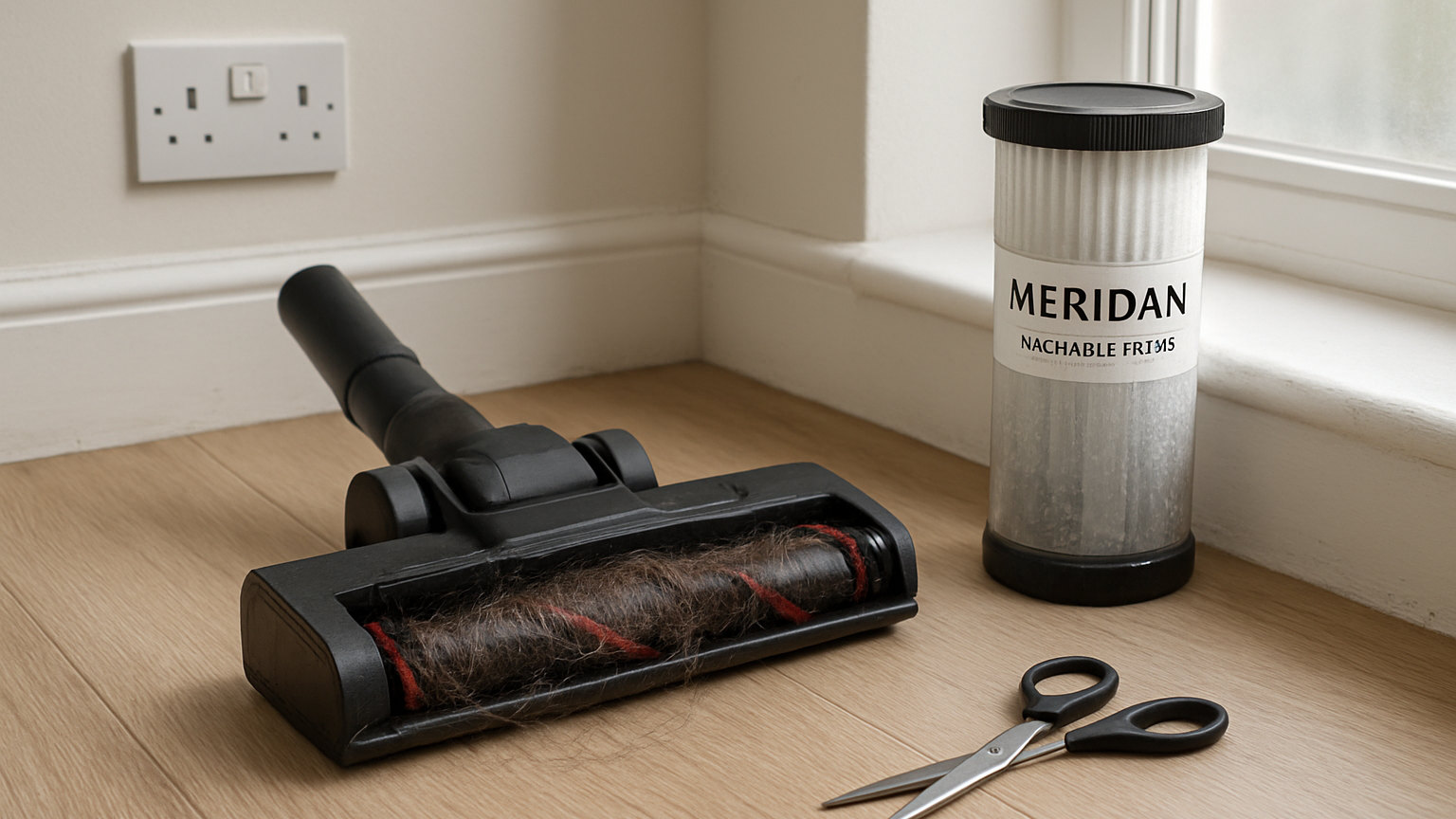
Pet hair wraps around brush bars, so look for an anti-tangle head or one that can be opened easily to clear. Better filtration helps with dander. Capacity matters, since pet hair fills a cylinder fast.
A separate handheld or a motorised upholstery tool is genuinely useful for furniture and car seats.
Is cordless good enough as the only vacuum?
For a flat, a small house or anyone who struggles with weight, frequently yes. The convenience means it gets used more often, which matters more than raw performance.
For a larger house with a lot of carpet, the run time and capacity become limiting, and many households end up with a corded machine for the main clean and a cordless for quick jobs.
What about repairability?
Worth checking before buying. Filters, brush bars, belts, hoses and batteries are all wear items, and a machine with available spares lasts years longer than one where a single failed part ends it.
Some manufacturers publish parts diagrams and sell components directly, which is a good sign.
What should you ignore?
Peak wattage claims, marketing about cyclone counts, and anything implying a vacuum sanitises a floor. Also treat bagless as a convenience feature rather than a performance one.
How do you decide?
Start with the floors, then the house layout and stairs, then who will be using it and what they can lift. Filter and capacity after that. A machine that is too heavy to carry upstairs will not be used upstairs, whatever its specification says.
How much should you spend?
The mid range is where the value sits. Very cheap machines tend to have poor filtration, flimsy attachments and no available spares, which limits them to a few years. The most expensive add convenience features rather than substantially better cleaning. A well reviewed mid range machine, maintained properly, will outlast two budget ones.