A steam cleaner heats water in a sealed boiler until it becomes steam under pressure, then releases it through a nozzle. The steam carries heat and moisture into dirt, softening grease and loosening the bond between soil and the surface. What it does not do is remove anything, and that is the most important thing to understand about it.
What does the heat actually do?
It softens. Grease becomes fluid and releases its grip. Dried food rehydrates. Soap scum loosens. Dirt trapped in a textured surface is flushed out of the pores by the moisture.
The heat also kills most bacteria and surface mould on contact, provided the temperature at the surface is high enough for long enough.
Why does wiping matter so much?
Because steam loosens dirt onto the surface and leaves it there. If it is not wiped away it simply dries back in place, and the area looks no better than before.
Every effective use of a steam cleaner is a two stage operation: apply the steam, then immediately wipe with a cloth. People who conclude steam cleaners do not work are almost always skipping the second half.
What is dry steam?
Steam produced at a higher temperature and pressure, with a very low water content, typically around five per cent. It feels dry to the touch and leaves surfaces barely damp.
The advantage is that far less moisture is introduced, so surfaces dry within minutes and there is less risk to anything moisture sensitive. Dry steam machines are usually the larger cylinder type with a proper pressurised boiler.
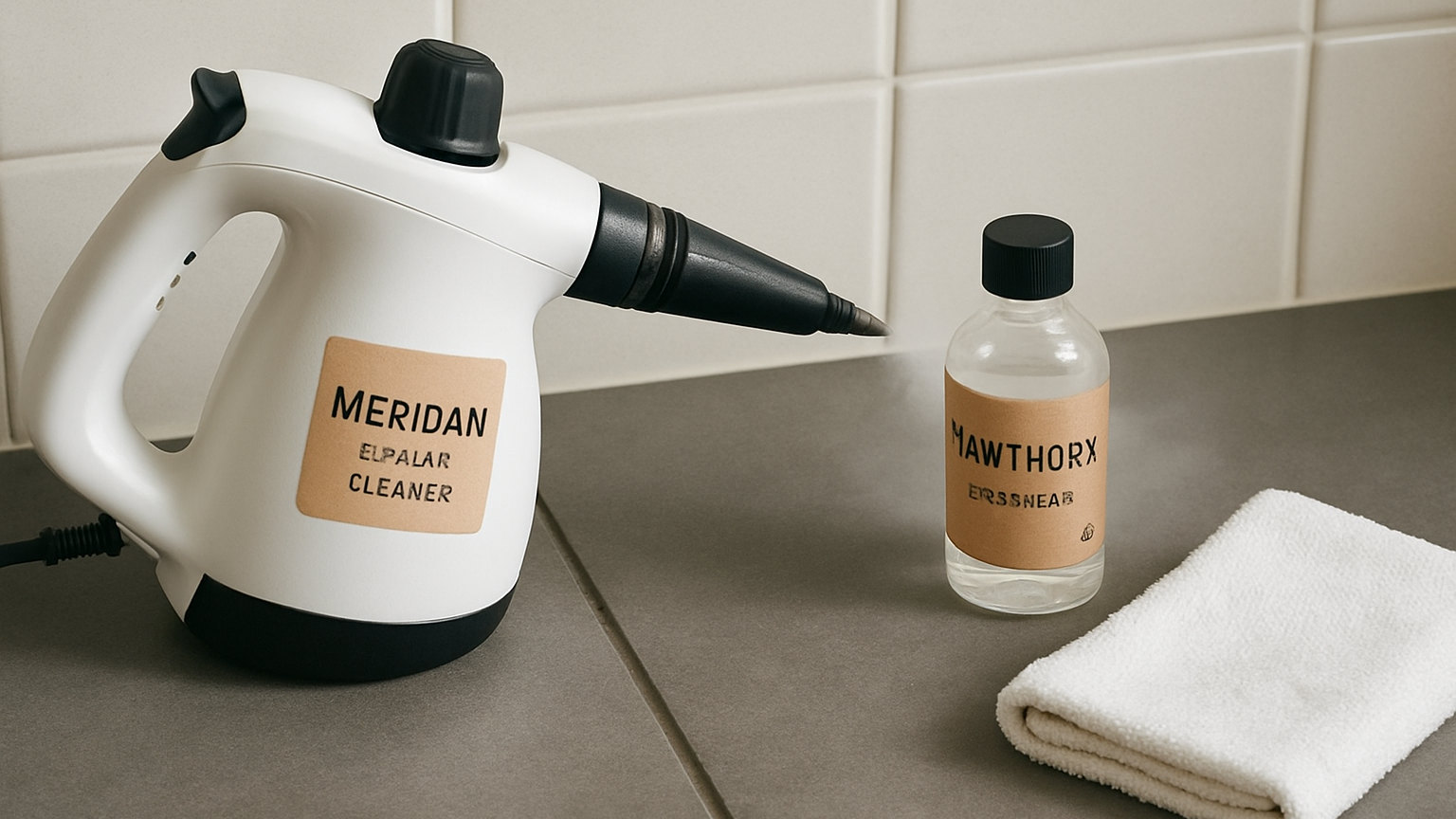
Cheaper handheld units and steam mops produce wetter steam, which is more likely to leave surfaces damp.
How hot is it at the surface?
Considerably cooler than in the boiler. Steam may leave the nozzle at well over 100 degrees, and it loses heat rapidly in the air, so the temperature reaching a surface a few centimetres away is much lower.
That matters for disinfection claims, which depend on the temperature at the surface and how long it is held there, not on the boiler temperature printed on the box.
Does pressure matter?
Yes. Higher pressure means steam arrives with more force, which helps physically dislodge dirt from grout lines, textured tiles and crevices. It also allows a drier steam.
A machine with a pressurised boiler will noticeably outperform a low pressure one on anything stubborn, which is the main difference between price brackets.
What does it not do?
- Remove dirt, without a cloth.
- Bleach or lift staining, which needs an oxidising agent.
- Remove limescale, which needs acid.
- Cut through heavy grease without help from a degreaser.
- Clean deeply into carpet, unlike hot water extraction.
Why is it called chemical free?
Because the cleaning action is heat and moisture rather than a detergent. For households wanting to avoid cleaning products, that is a genuine advantage, and it is why steam is popular in homes with young children and pets.
It does not mean the surface is sterile, and for stains and limescale a product is still needed.
How long does it take to heat up?
Anywhere from thirty seconds for a small steam mop to several minutes for a pressurised cylinder machine. Larger boilers take longer to heat and then run for far longer before needing a refill.
What is the basic method?
- Fill with clean water, ideally distilled or filtered in a hard water area.
- Let it reach temperature fully.
- Apply steam to a small area, holding the nozzle close but not touching.
- Work slowly and let the heat penetrate.
- Wipe immediately with a clean cloth.
- Move to the next section and repeat.
Why does the first burst spit water?
Because steam condenses back into water inside the hose between uses, and that water is pushed out first when the trigger is pressed. It is normal rather than a fault. Purge the first burst into a cloth before starting work, particularly on anything moisture sensitive.
What water should go in it?
Plain water only, and distilled or filtered water in a hard water area. Everything the machine boils leaves its minerals behind in the boiler, which scales the element and blocks the jets. Never add detergent, vinegar or essential oils to the tank, which damage the seals and can produce fumes when heated.