A cleaning caddy is a carrier holding everything needed to clean a room, so the whole job can be done in one visit. The point is not organisation for its own sake: it removes the friction that stops people cleaning at all, since most reluctance comes from fetching things rather than from the work.
What should be in it?
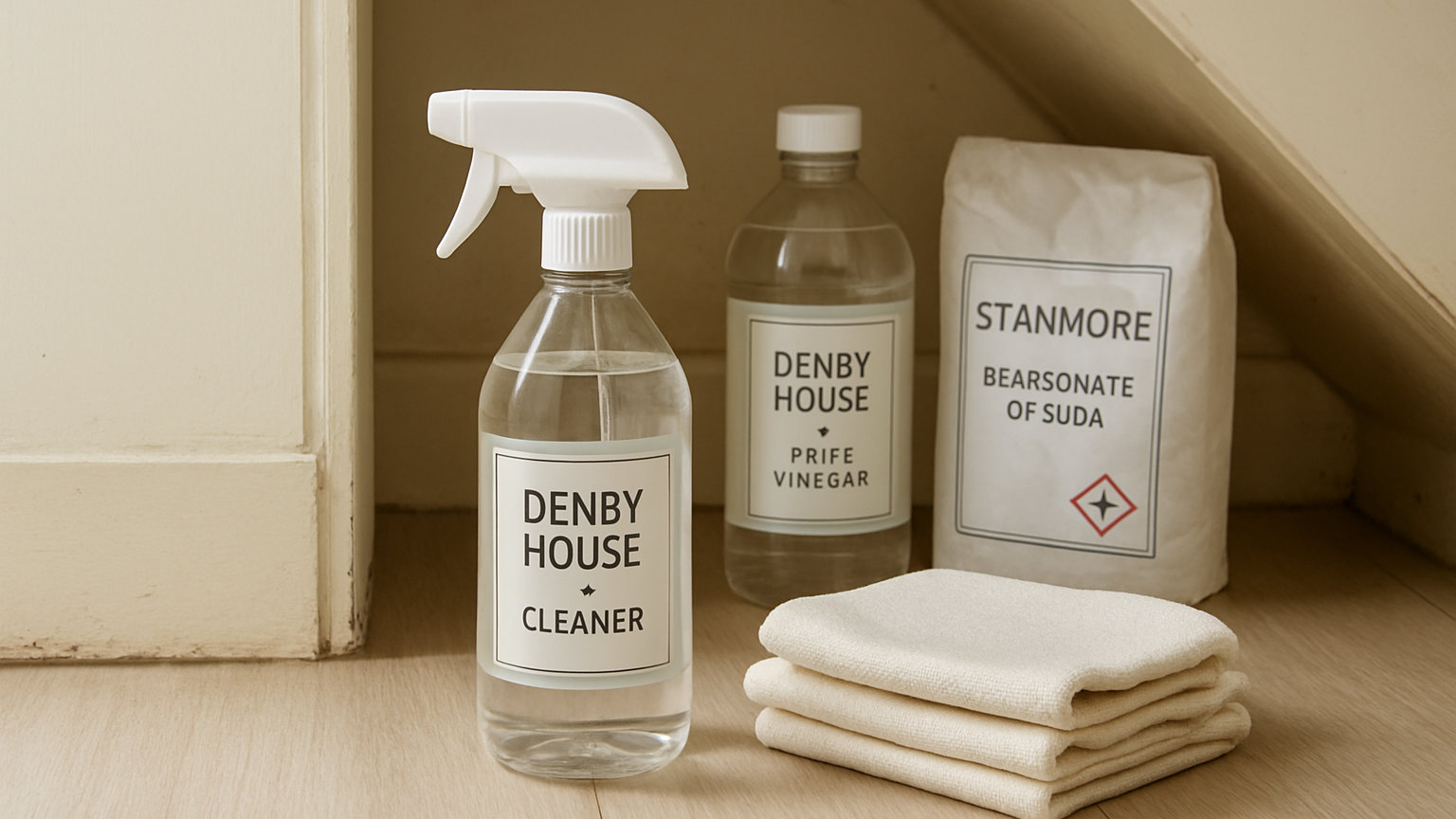
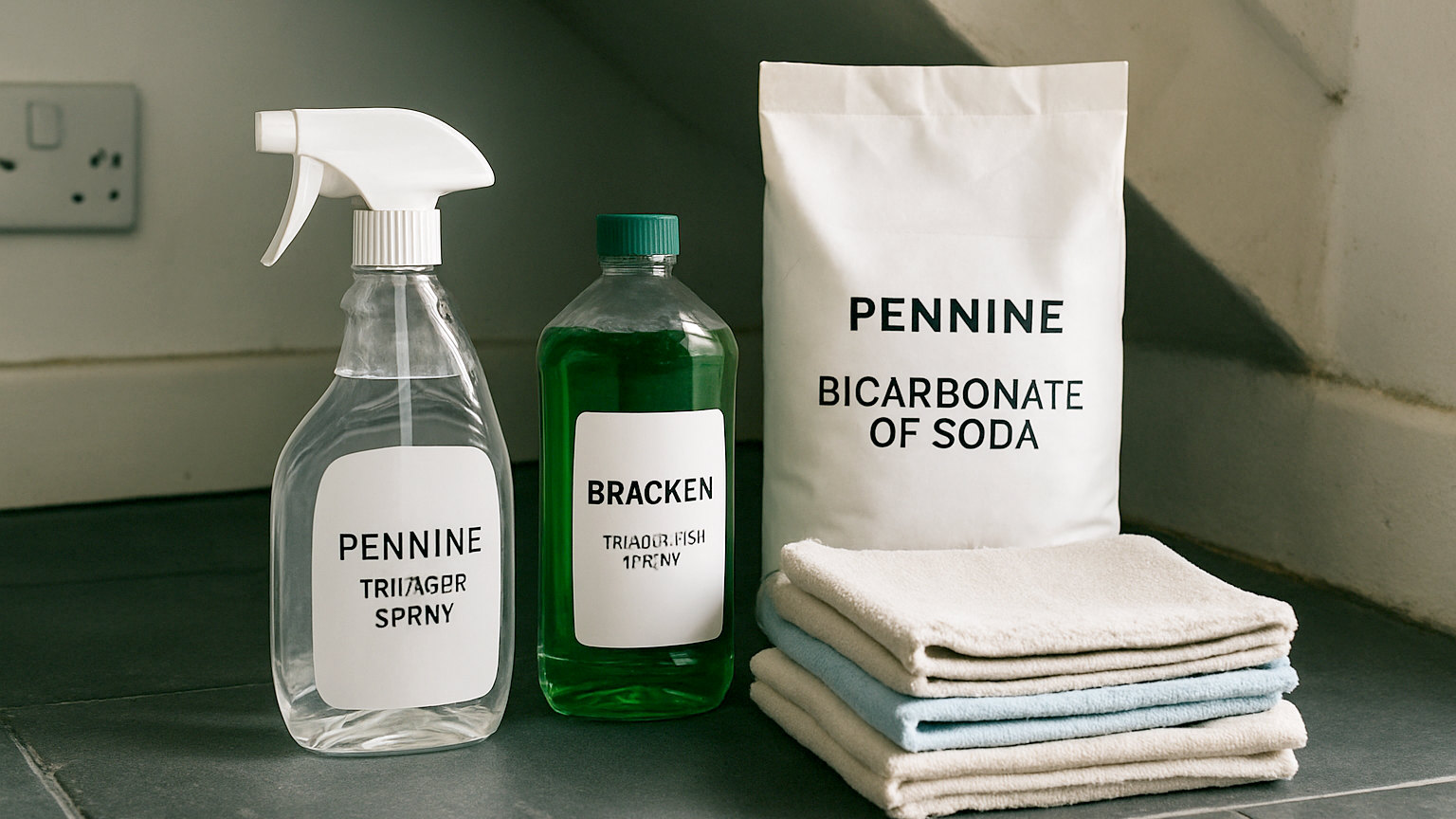
- A general purpose spray for everyday surfaces.
- A bathroom or limescale spray if it serves a bathroom.
- A cream cleaner for sinks, baths and hobs.
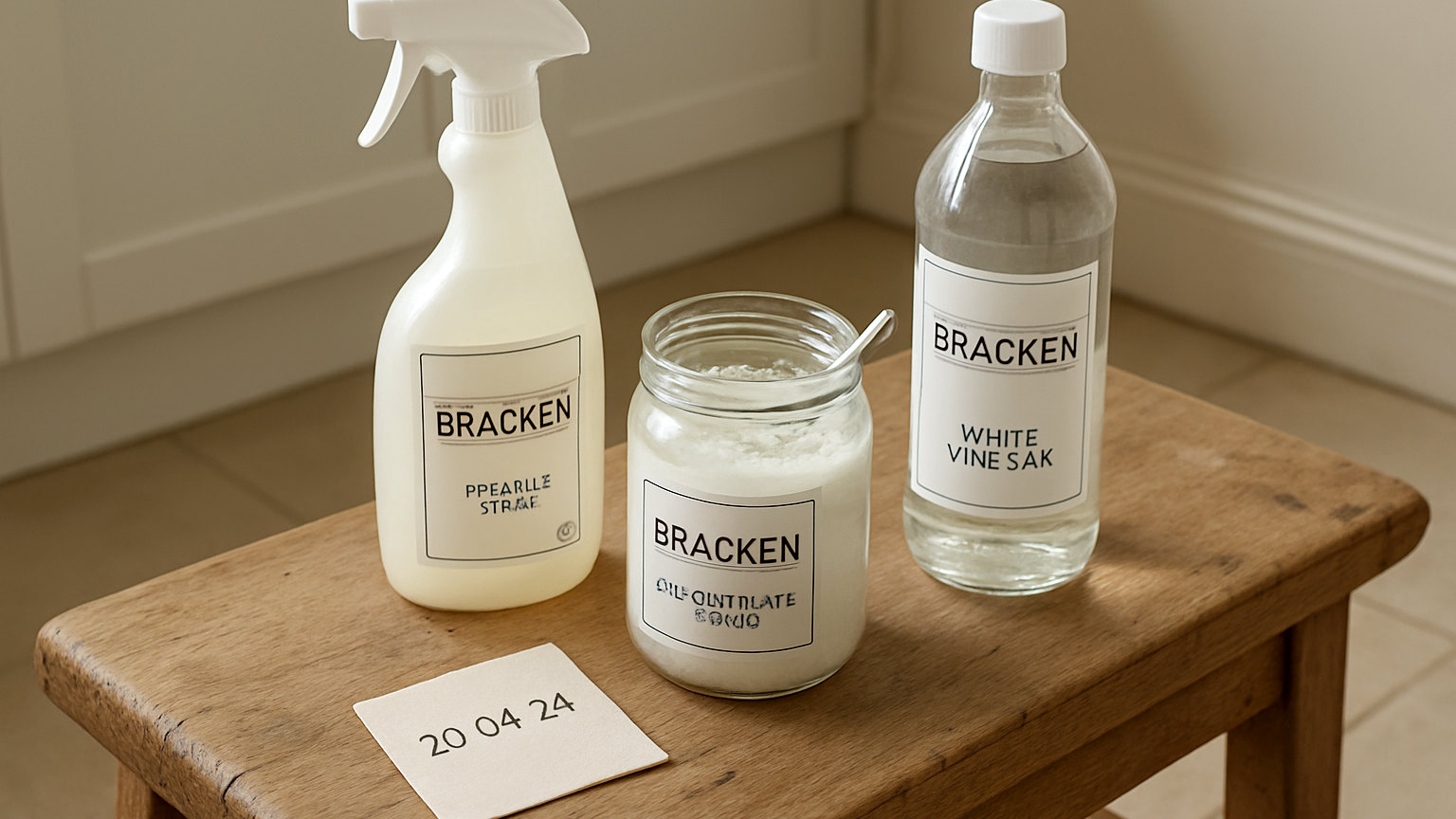
- A glass cleaner, or a spray bottle of diluted vinegar.
- Four or five microfibre cloths in different colours.
- A non-scratch pad.
- An old toothbrush or a detail brush.
- A roll of kitchen paper.
- Disposable gloves.
- A small bin bag.
That covers a bathroom, a kitchen or a living room without a single trip to a cupboard.
Why does colour coding matter?
Because it prevents cross contamination. The convention used in professional cleaning is a colour for toilets, another for bathroom surfaces, another for kitchens and another for general areas.
At home the important distinction is a dedicated cloth for the toilet that never goes anywhere else, and a separate one for kitchen surfaces. Whatever colours you choose, keep the rule.
How many caddies?
One per floor is the practical arrangement in a house, since carrying one up and down stairs is exactly the friction the caddy is meant to remove. A small second set upstairs costs very little.
In a flat, one is sufficient.
What should it be?
A plastic tote with a central handle is the standard and works well: open topped, easy to carry, easy to rinse out. A bucket works too and is harder to organise. A cleaning apron with pockets suits some people better than a caddy.
Whatever it is, it must be light enough to carry easily when full, or it will be left in one place.
Where should it live?
Somewhere accessible rather than at the back of a cupboard behind the recycling. Under the sink, in a utility room, or on a shelf in the room it serves.
Where there are young children or pets, a high shelf or a locked cupboard is necessary, and that is the reason many households are better with a caddy they lift down than with products left out.
What should not be in it?
Bleach and any acidic cleaner together in the same open tote, since a leak or a spill brings them into contact. Keep bleach separate and stored upright.
Also leave out anything you use rarely, since a caddy that is too heavy or too full stops being convenient.
What about a separate stain kit?
Worth having, kept where spills happen rather than with the cleaning caddy. White cloths, kitchen paper, a spray bottle of cold water, washing up liquid and a stain remover, in a small box in the living room.
The value of a stain kit is entirely in the first two minutes, so it needs to be in the room.
How do you maintain it?
Rinse the caddy out occasionally, since it collects drips. Put used cloths straight into the wash rather than back in the tote. Restock after each use so it is ready next time, which is the habit that keeps the whole system working.
What about a vacuum and a mop?
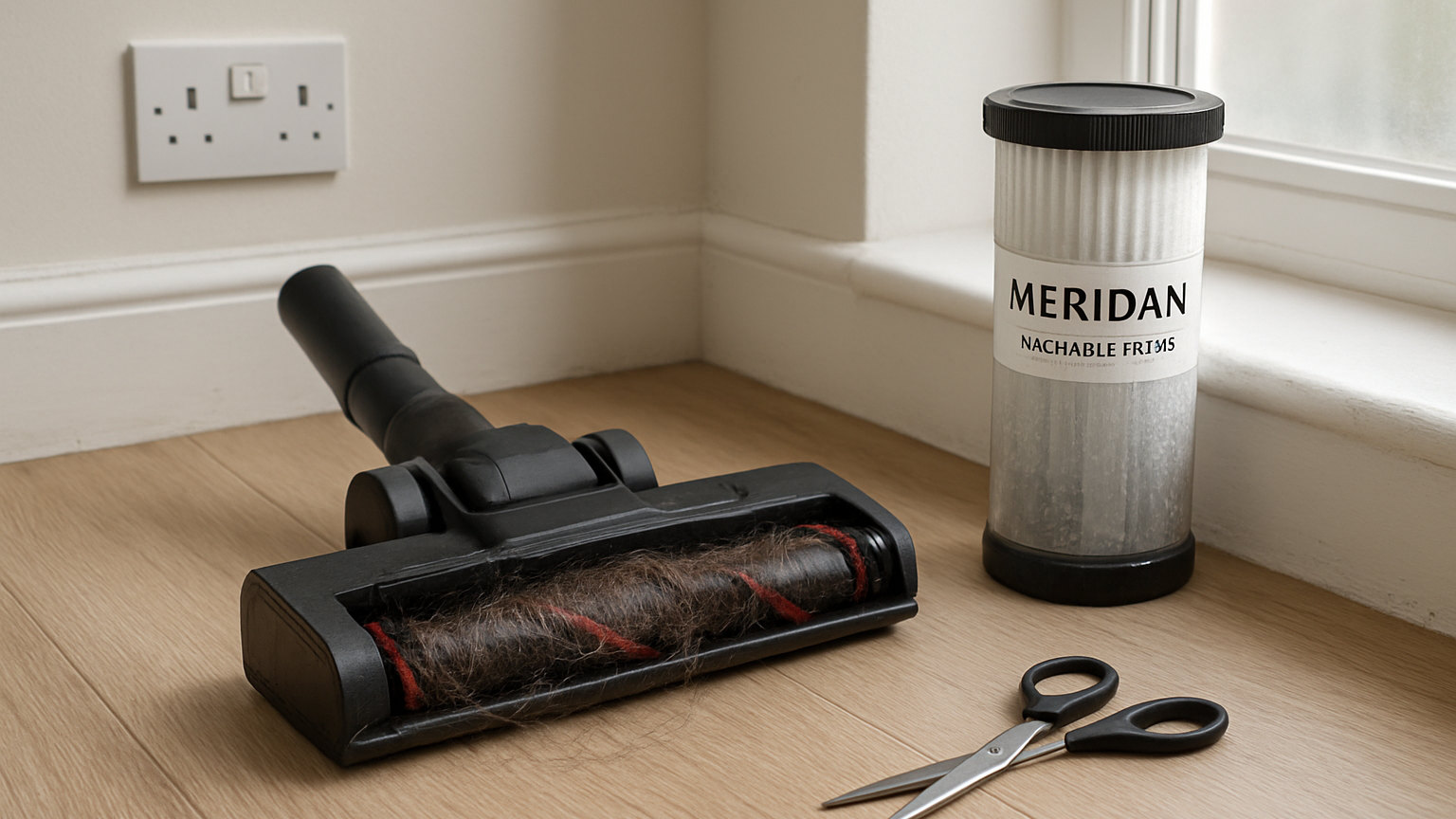
Neither fits in a caddy and both need somewhere sensible to live. A vacuum kept on the floor it is used on saves carrying it up and down stairs, which is the same friction problem the caddy solves. A flat mop with washable pads hangs on a hook and takes up very little room.
How does it change the cleaning itself?
It makes short sessions practical. With everything to hand, ten minutes in a bathroom is a genuine option rather than a project, and cleaning that happens in short frequent bursts keeps a house in better condition than occasional long sessions ever do.