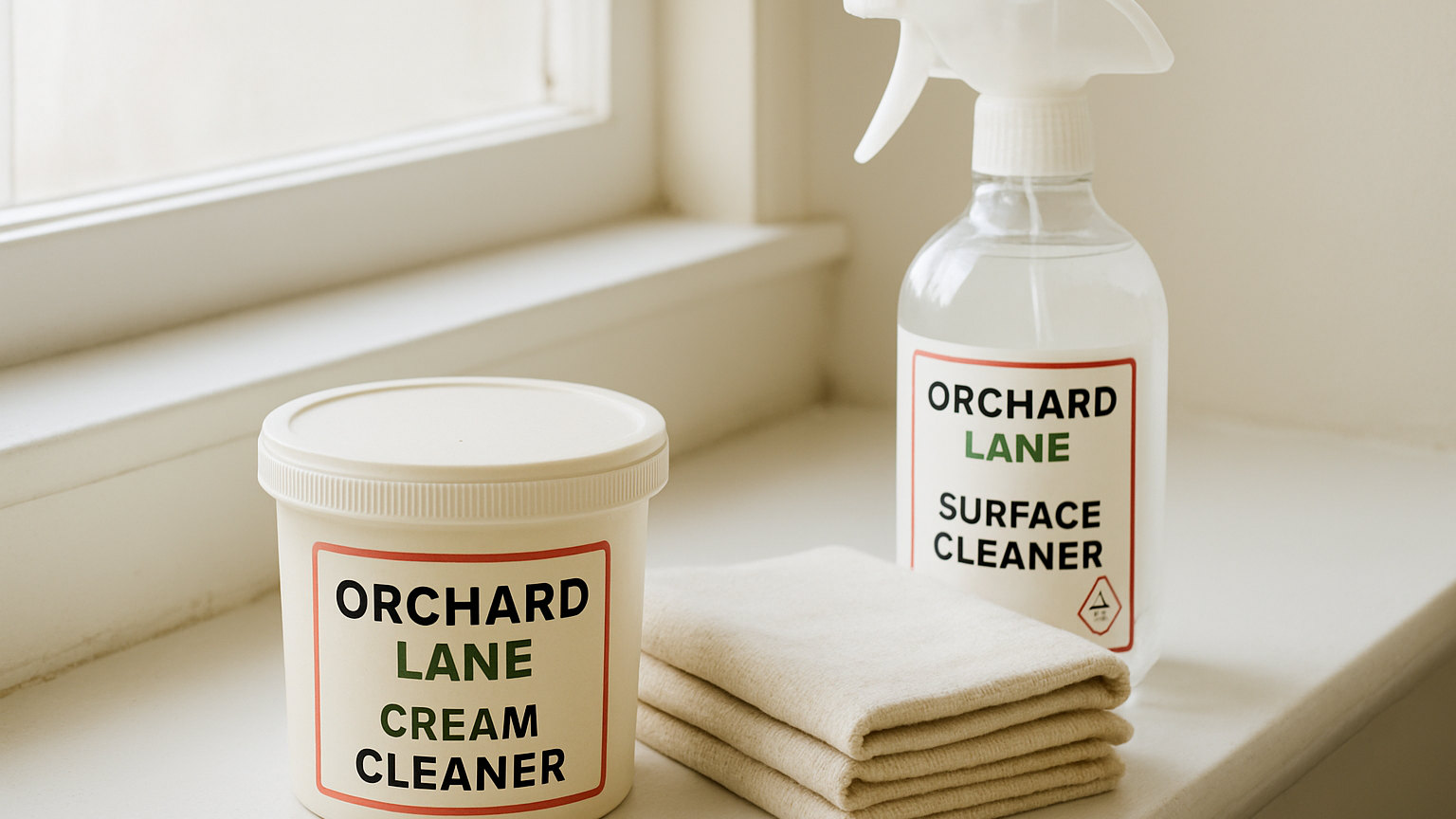
A cream cleaner is a suspension of very fine abrasive particles in a detergent base. That combination does something neither element manages alone: it lifts deposits that are physically stuck to a surface without the scratching a scourer causes.
Where does it earn its place?
- Stainless steel sinks, for dullness, tea staining and limescale film.
- Ceramic sinks, particularly for grey metal marks from pans.
- Hobs and splashbacks, for burnt on residue.
- Baths and shower trays, for soap scum and tide marks.
- Worktops, for marks that detergent will not shift.
- Toilets, above the waterline where a spray runs off.
- Enamel and stubborn pan marks.
How does it work?
The abrasive particles, usually calcium carbonate or a similar mineral, are hard enough to break the bond between a deposit and the surface but softer than most surfaces themselves. The detergent then lifts the loosened material away.
Different brands use different particle sizes, which is why some are noticeably harsher than others. The finer ones are safer on polished finishes.
How should it be used?
- Apply it to a damp non-scratch pad or cloth rather than to a dry surface.
- Work it over the area with light pressure.
- Follow the grain on brushed stainless steel.
- Leave it on stubborn marks for a few minutes rather than scrubbing harder.
- Rinse thoroughly, since residue dries to a white film.
- Buff dry with a cloth for the best finish.
Pressure is not the variable to increase. More dwell time and a second pass work better and cause less damage.
What should it be kept away from?
- Glass ceramic and induction hobs, which need a dedicated hob cream instead.
- Polished stone, which dulls.
- Acrylic baths and shower trays unless the label states it is suitable, since acrylic scratches easily.
- Gloss laminate and painted surfaces.
- Anything with a printed or applied finish.
- Plastic jugs and lenses, which go cloudy.
Test in a hidden area on anything glossy, since dulling is permanent.
How does it compare with bicarbonate of soda?
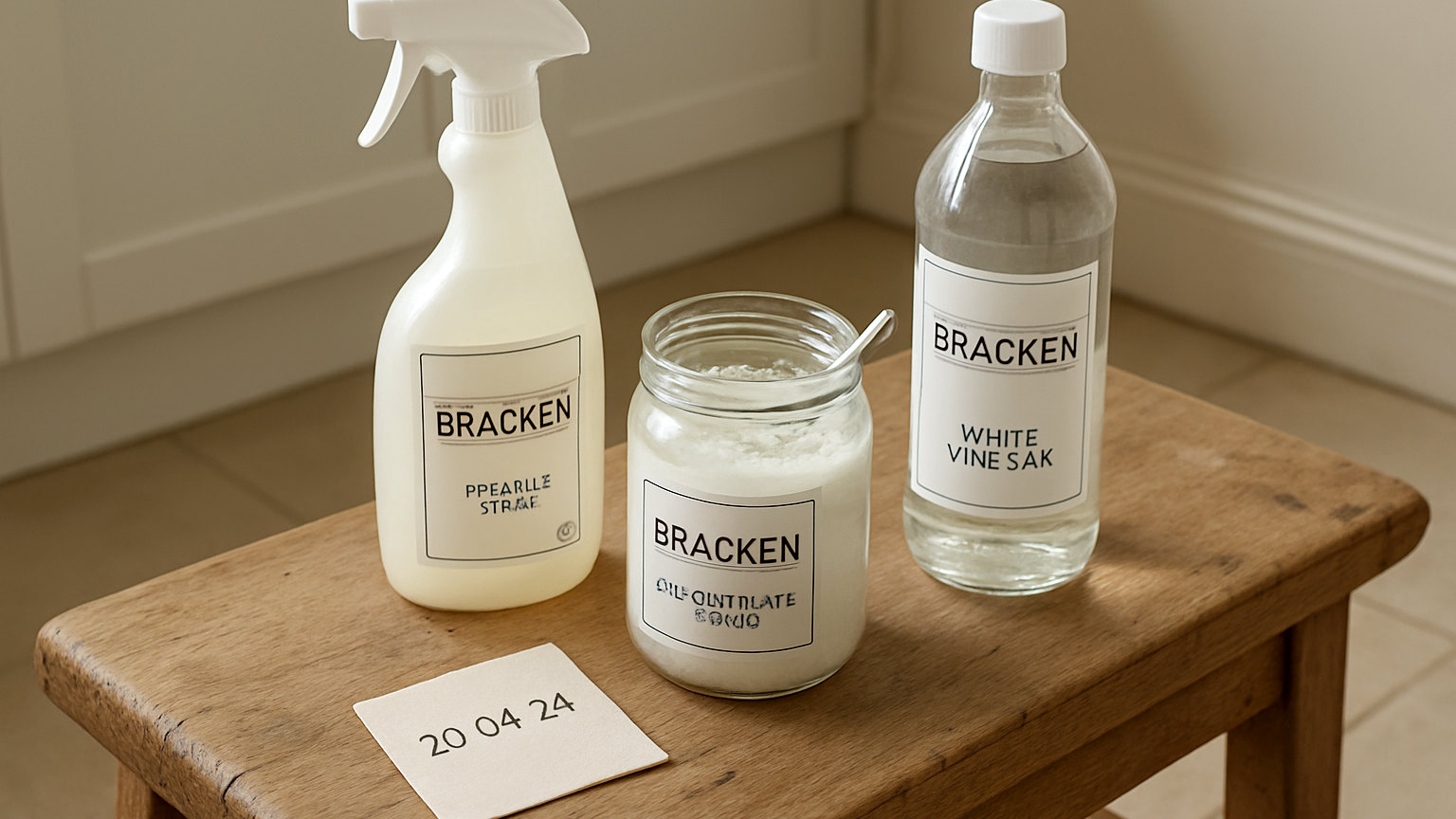
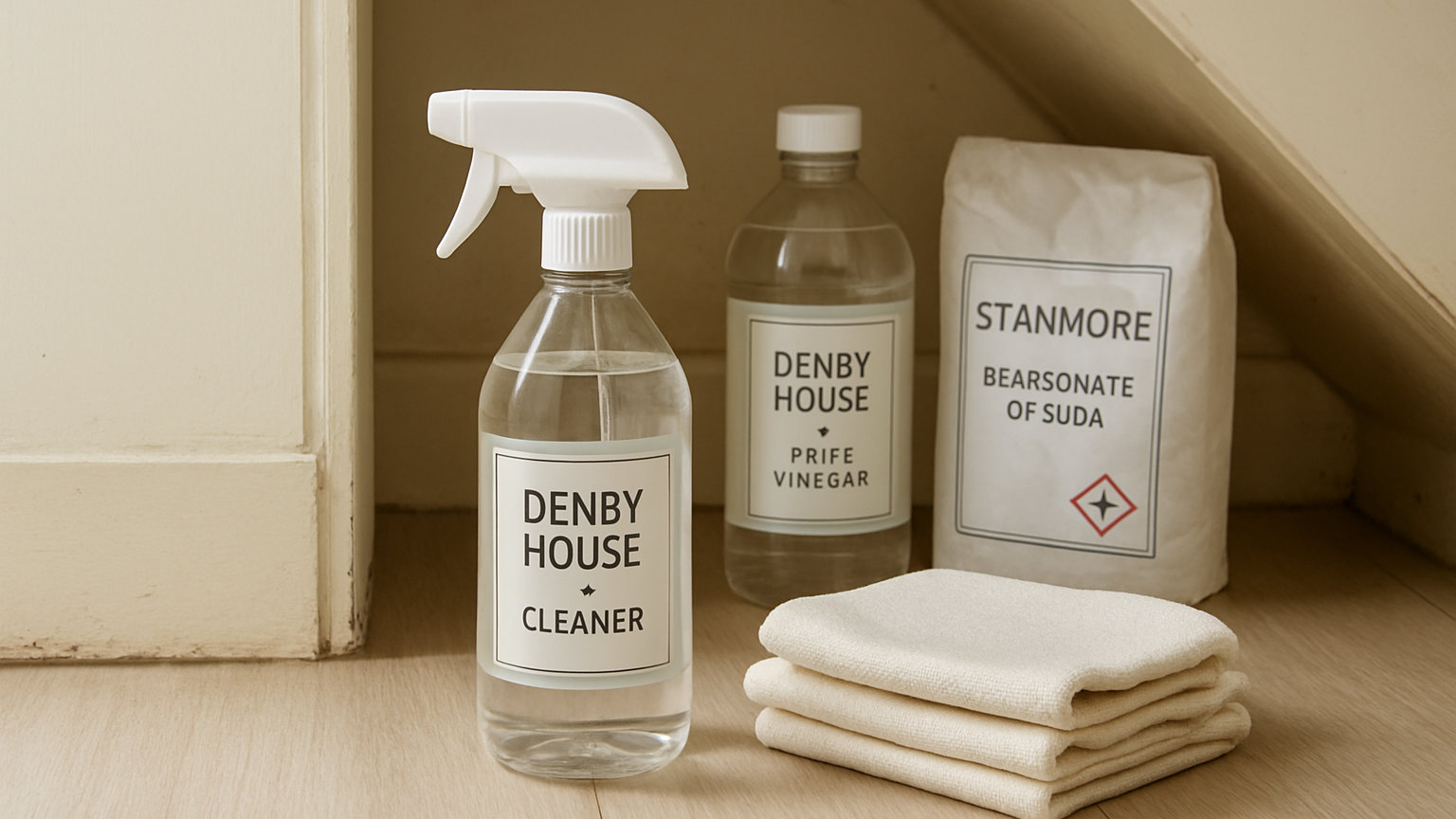
They do a similar job, and bicarbonate is milder and cheaper. A cream cleaner is more convenient, has a detergent built in and is usually more effective on soap scum and limescale film.
For a gentle job, bicarbonate paste is fine. For a sink that has gone dull, a cream cleaner produces a better result faster.
What about scouring powders?
Considerably harsher, with coarser particles and often bleach included. They work on tough deposits and scratch far more readily, and they have largely been replaced by creams for that reason.
Where one is used, it belongs on enamel, unglazed surfaces and outdoor jobs rather than on anything polished.
What pad should you use with it?
A non-scratch pad, a soft cloth or a sponge. Never a green scouring pad or wire wool on a finished surface, since both scratch regardless of what is on them.
The pad matters as much as the product, and most surface damage attributed to cream cleaner is caused by the pad it was applied with.
Is it worth having?
Yes. It covers a gap that nothing else in a basic kit fills: physical deposits on hard surfaces that a spray runs off and a scourer would damage. One bottle lasts a long time.
Do the different brands vary?
Noticeably, mainly in the fineness of the abrasive. Some are gentle enough for regular use on a polished sink; others are coarse enough to dull one over time. If a product feels gritty between finger and thumb it is at the harsher end, and it is worth testing on a hidden area before using it on anything you care about.
Can you make one?
A paste of bicarbonate of soda with a little washing up liquid is a reasonable homemade equivalent, combining a mild abrasive with a detergent. It is cheaper and slightly less effective on soap scum and limescale film, since a commercial cream usually includes something to address those as well.