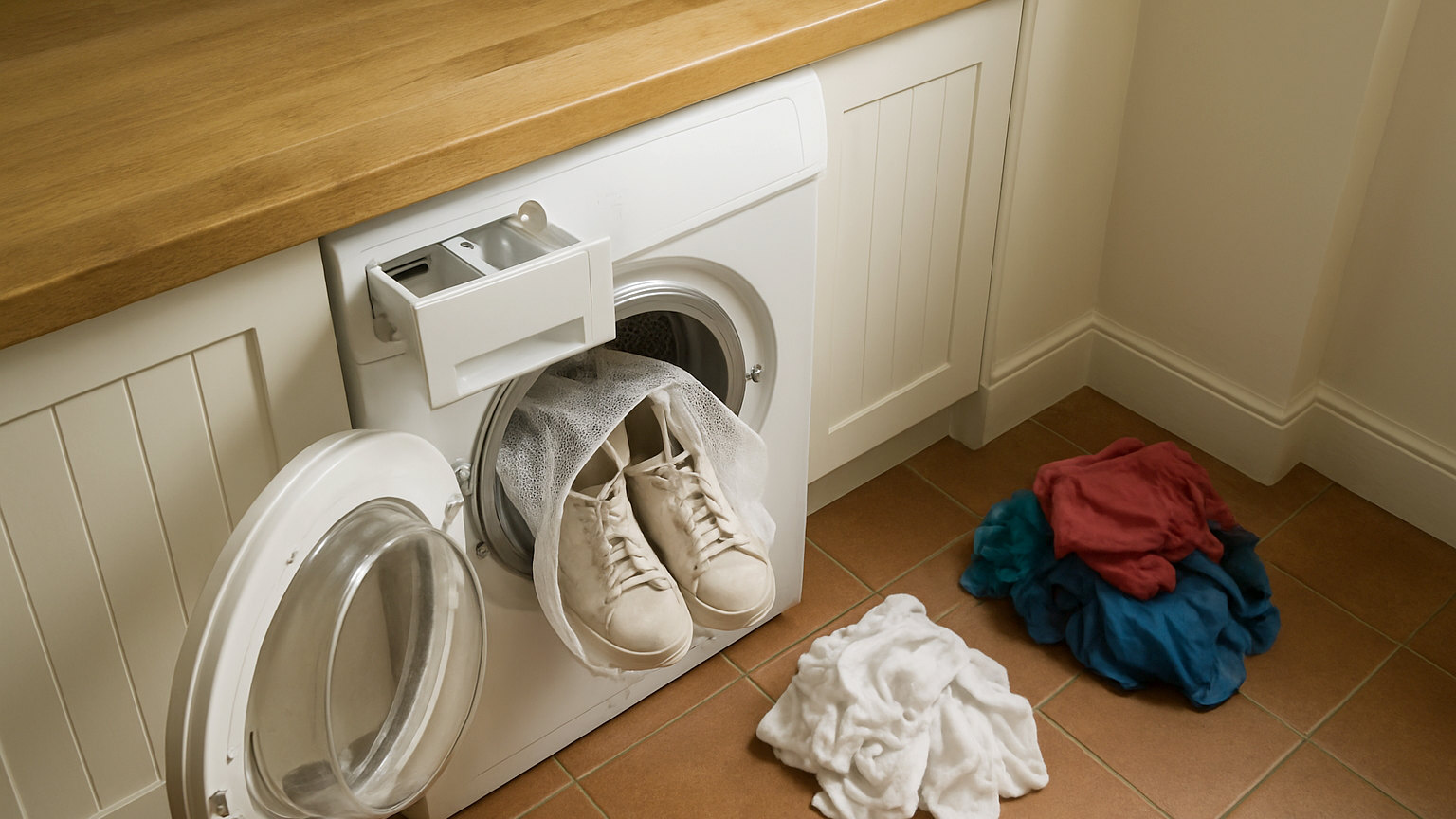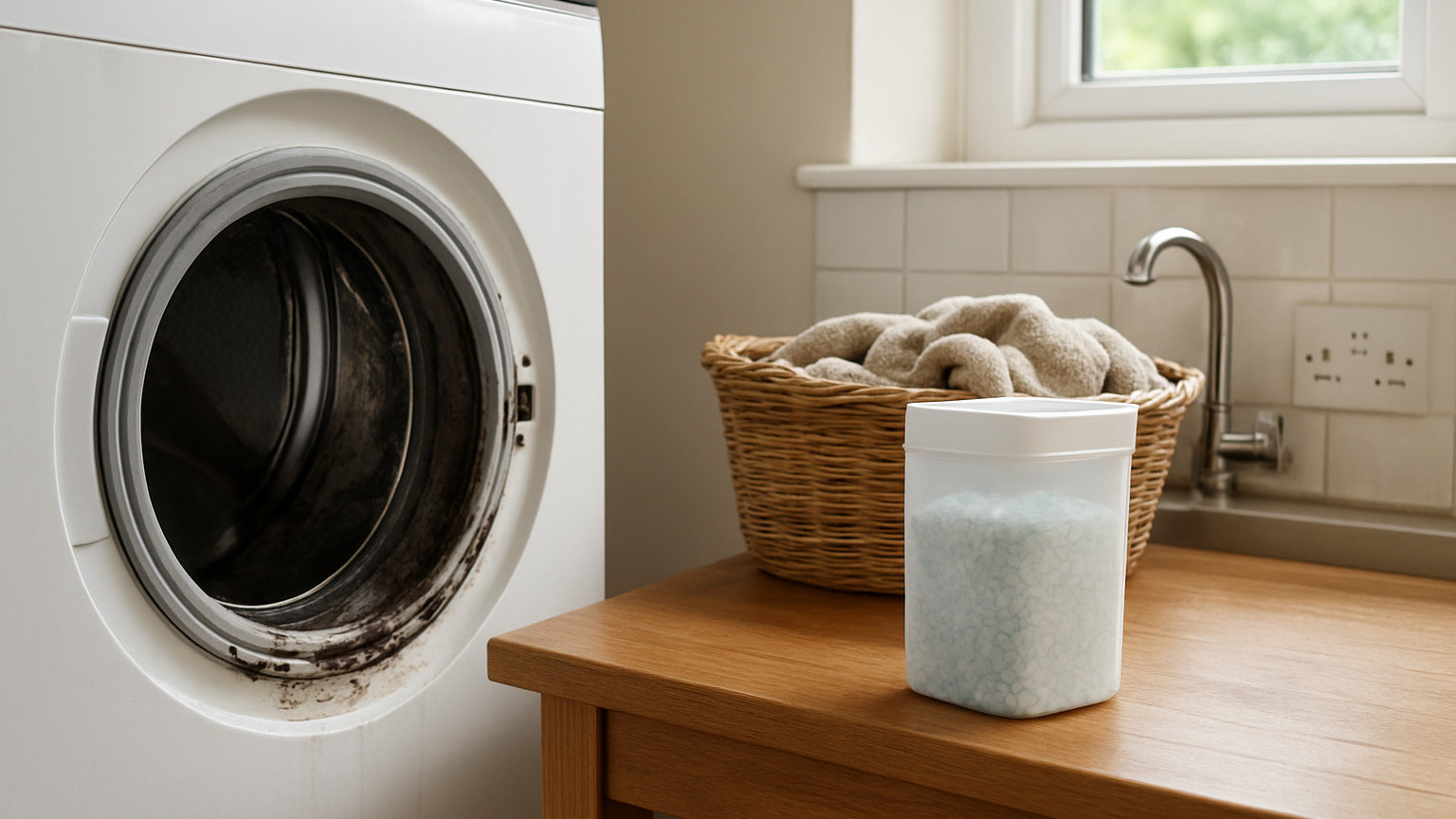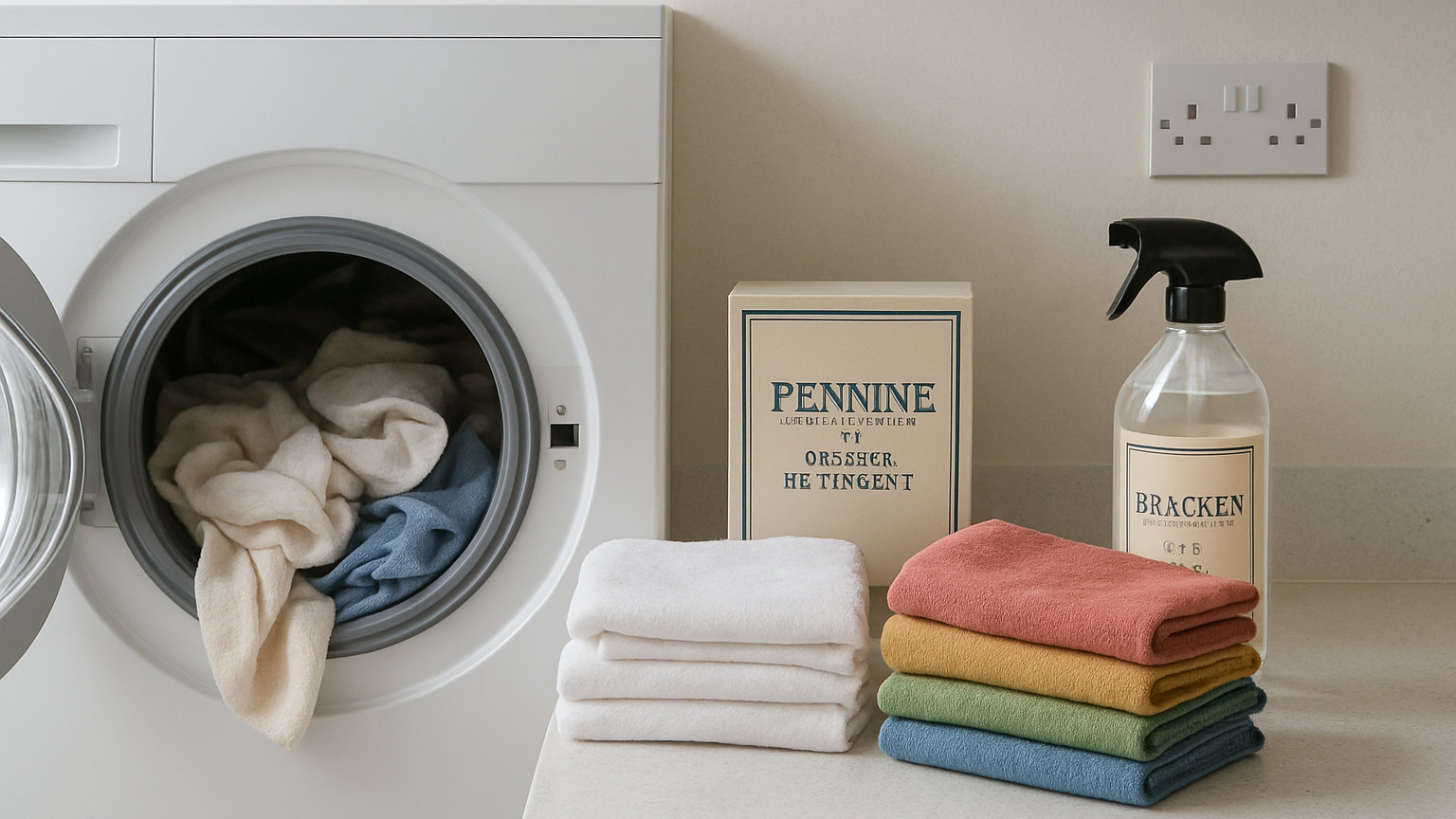
The three formats are not interchangeable, and each has a genuine advantage. Powder is the best performer on white cottons and in hard water. Liquid handles grease and protects colours better. Capsules are convenient and inflexible. Most households would be better off with two rather than committing to one.
What makes powder different?
Powder detergents typically contain oxygen bleach, which liquids generally do not because it is unstable in a liquid formulation. That bleach is what keeps white cottons genuinely white and what deals with tea, coffee, fruit and wine marks.
Powders also usually contain more water softening agents, which makes them noticeably more effective in hard water areas. They are typically cheaper per wash, and they store well.
The drawbacks are real. Powder can leave undissolved residue on a cold, short cycle, particularly in an older machine or a clogged drawer, and it is harsh on dark colours over time because of the bleaching agents.
What is liquid better at?
Dissolving instantly, which makes it the right choice for cold and quick washes. Treating greasy and oily marks, since liquid detergents are formulated around surfactants that attack oils. And protecting colour, because there is no bleach in the formulation.
Liquid can also be applied directly to a stain before washing, which powder cannot.
The disadvantage is that liquids leave whites looking progressively duller, since nothing in the bottle is removing the everyday staining that greys cotton.
Where do capsules fit?
They are a pre-measured dose, which removes the decision and the mess. That is genuinely useful for anyone who tends to overdose, and it is the main argument for them.
The inflexibility is the problem. A capsule is sized for a full, normally soiled load in medium hardness water. For a half load it delivers too much, and for a heavily soiled load in hard water it may not deliver enough. They are also the most expensive format per wash by a considerable margin.
Capsules must go in the drum, at the back, before the clothes, never in the drawer. Put in the drawer they do not dissolve properly and leave a gel residue.
What does biological mean?
Biological detergents contain enzymes that break down specific soils: proteases for protein such as blood, sweat and egg, lipases for fats, amylases for starches. They are significantly more effective on body soils and food marks, and they work best in the warm rather than hot range, since high temperatures denature the enzymes.
Non-biological detergents omit the enzymes and are marketed for sensitive skin. The evidence that enzymes cause irritation in most people is weaker than the marketing suggests, and residue from overdosing is the more likely culprit. Anyone with a genuine skin condition should follow medical advice rather than general guidance.
Enzymes should not be used on wool or silk, which are protein fibres and will be damaged by protease.
What about colour detergents?
These are essentially non-bleach formulations with additional dye transfer inhibitors, which help stop colour released by one garment settling on another. They are worth using on darks and brights, though washing cool and sorting properly does most of the work.
What is the sensible combination?
A powder or a whites detergent for towels, bedding and white cottons at 40 or 60, and a liquid or colour detergent for everything else at 30. That covers every household requirement, costs less than buying capsules for everything, and puts the bleaching agents only where they help rather than where they cause fading.
Whichever you choose, the dose matters more than the format. An underused powder outperforms an overdosed capsule in almost every respect.
How should each one be stored?
Powder needs to stay dry, since damp powder clumps and stops dissolving properly, so keep it sealed and away from a steamy utility room. Liquid should be kept upright with the cap clean, or the dried residue around the neck ends up in the drawer. Capsules must be stored out of reach of children in their original container, which is child resistant for good reason.