A musty or mildew smell means that mould or bacteria grew in the fabric while it was damp. Two things have to be dealt with separately: the growth itself, which needs heat or an antimicrobial treatment, and the residue it left behind, which is what you can actually smell and what returns whenever the item gets wet again.
Where does it usually come from?
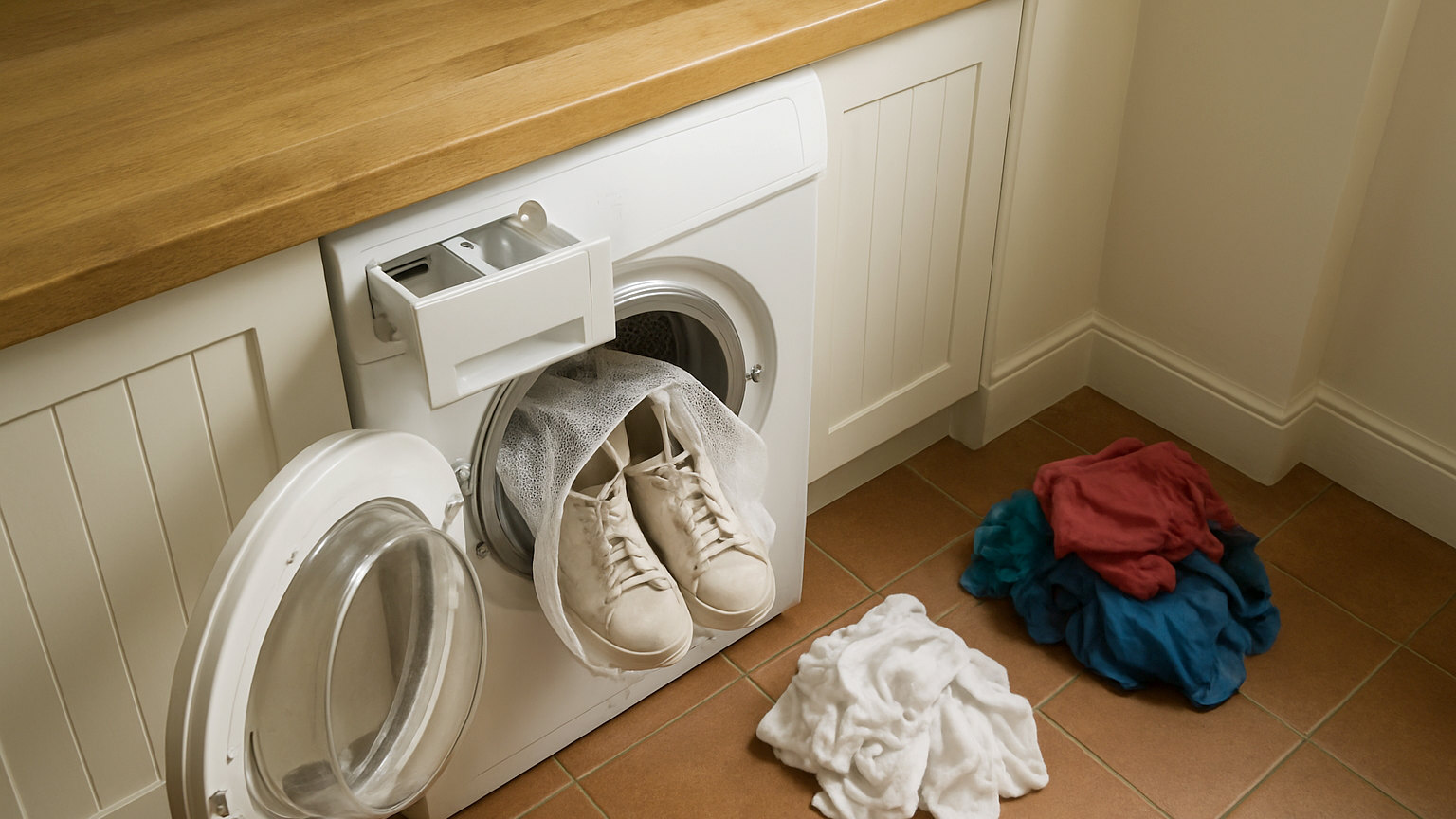
- Washing left in the machine for hours after the cycle finished.
- Laundry that took more than a day to dry, particularly indoors in winter.
- Items stored while not completely dry, such as a duvet or a pair of boots.
- Clothes kept in a damp wardrobe against a cold external wall.
- Towels and bath mats left folded while wet.
- Anything from a loft, garage or cellar.
What is the treatment?
- Brush off any visible mould outdoors, wearing gloves, and do not shake it inside the house.
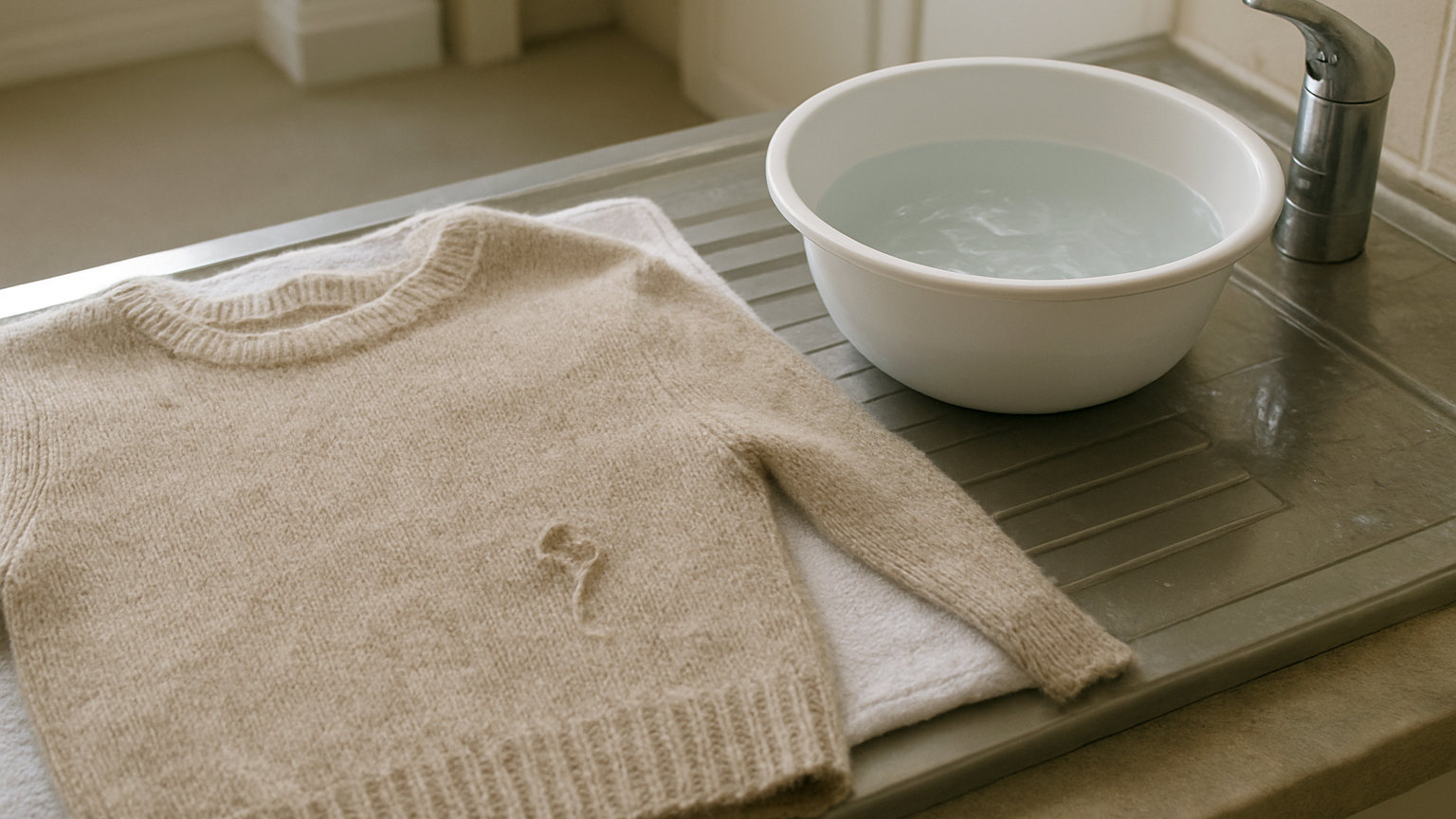
- Soak the item in warm water with a cup of white vinegar for an hour or more.
- Wash at 60 degrees if the fabric allows, which deals with the growth.
- For white or colourfast items, add an oxygen bleach booster, which oxidises the residue.
- Add an extra rinse.
- Dry outdoors in sunlight, which is genuinely effective against both mould and the smell.
- Check by dampening a corner and smelling it. If the odour returns, repeat.
Why does the smell come back when the item gets wet?
Because the residue is still bound into the fibres. Odour compounds produced by microbial growth are not fully removed by a cool wash, and they release again in the presence of moisture. That is the clearest sign that a first attempt has not finished the job.
Testing a damp corner rather than a dry garment is the only reliable way to know whether the treatment has worked.
What if the fabric cannot be washed hot?
Use a laundry sanitiser designed to work at low temperatures, which is added to the rinse and kills bacteria without heat. Follow it with a vinegar soak and thorough drying.
Freezing is an alternative for small items that cannot be washed at all: seal in a bag and leave in a freezer for 72 hours, then air thoroughly. It stops the growth without addressing the odour, so it needs following up.
Does sunlight really help?
Considerably. Ultraviolet light is effective against mould spores and breaks down many of the compounds causing the smell, and it costs nothing. Hang items out while still damp rather than finishing them indoors first, and give them a full day if the weather allows.
Several days of intermittent airing works better than one long session for a stubborn case.
What about items that cannot be washed at all?
Coats, bags, shoes and upholstery need a different approach. Brush off visible growth outdoors, air the item for as long as possible, and seal it in a bag with an open tub of bicarbonate of soda or activated charcoal for several days.
For leather, wipe with a cloth dampened in a solution of water and a little surgical spirit, then condition once dry. For anything valuable, professional cleaning is worth the cost.
Are there visible marks as well?
Often, and mildew staining is a separate problem from the smell. Black spotting on fabric has usually damaged the fibres and may not come out entirely. Oxygen bleach as a long soak lifts a good deal on white cotton; chlorine bleach works and weakens the fabric further.
Treat the smell first and judge the staining afterwards, since the wash frequently improves both.
How do you prevent it?
Get washing out of the machine immediately, spin at the highest speed the fabric allows, dry within a day, and never store anything that is not completely dry. Leave wardrobes and cupboards slightly ventilated, keep furniture off cold external walls, and use a dehumidifier in a room that stays damp.
Is it worth checking the machine?
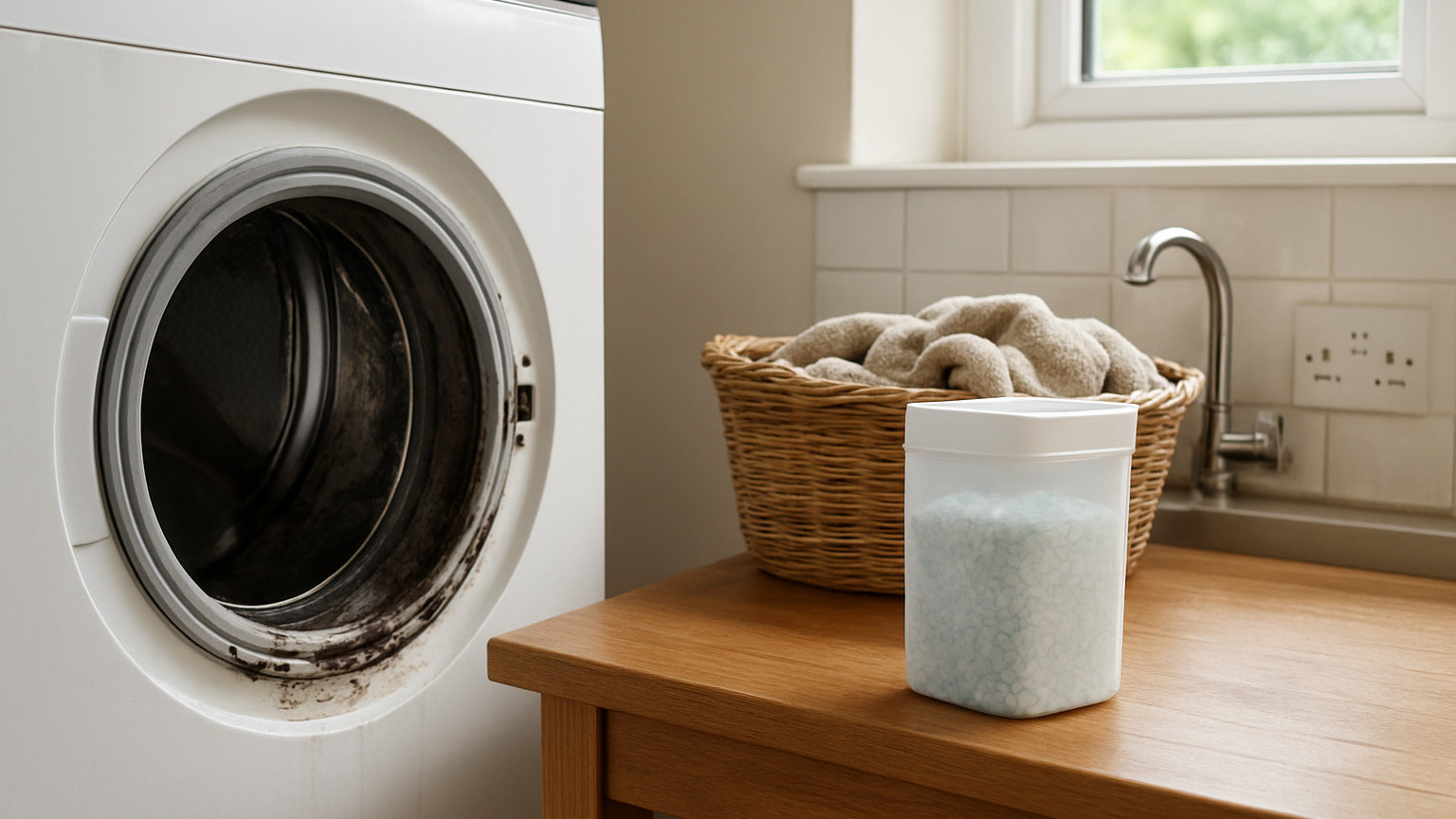
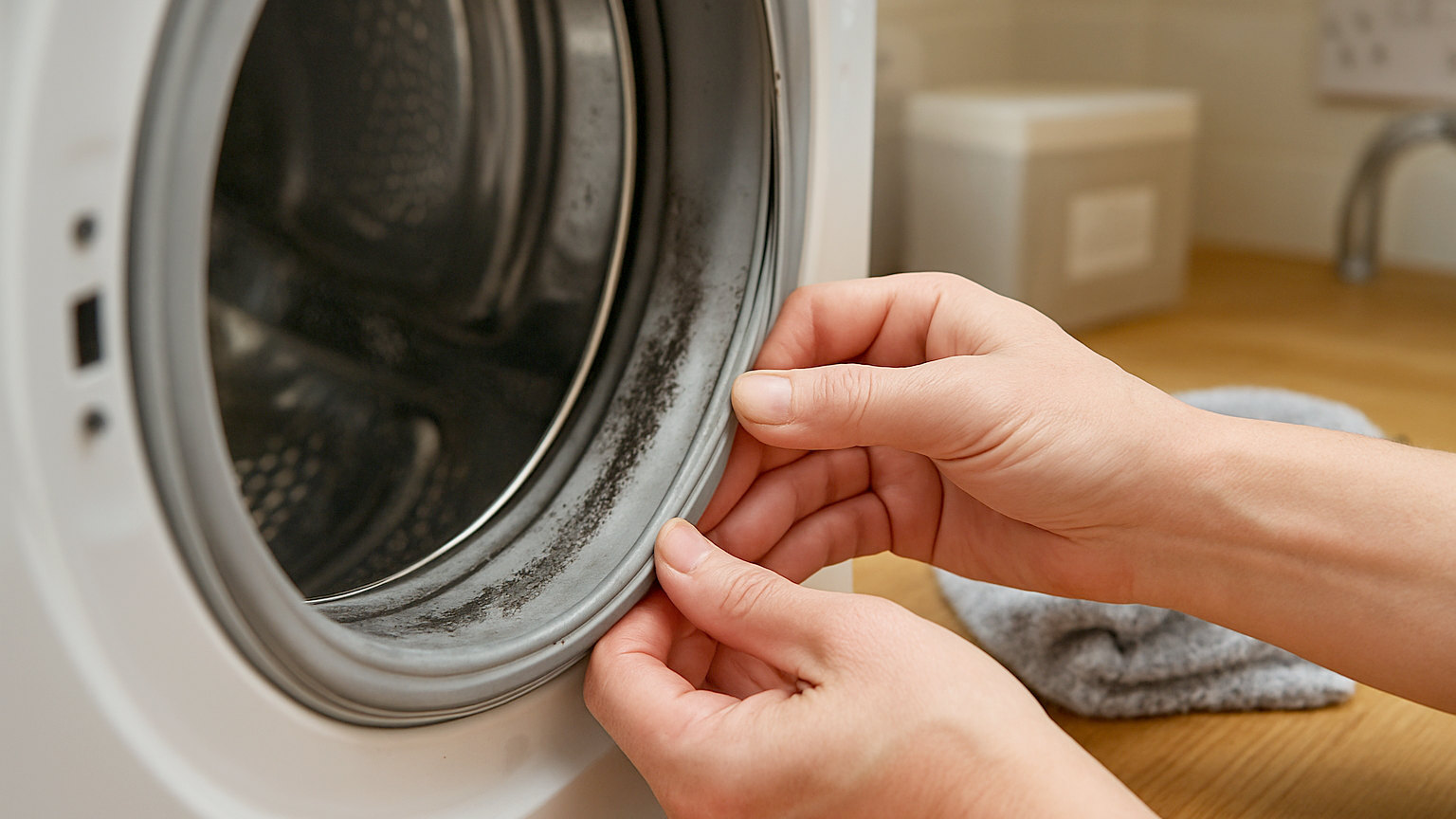
Always, if the problem keeps recurring across different loads. A washing machine with mould behind the door seal will reintroduce the smell into everything it washes, and no amount of treating the clothes will fix it. Run a hot maintenance wash and clean the seal, drawer and filter before concluding the fabric is at fault.