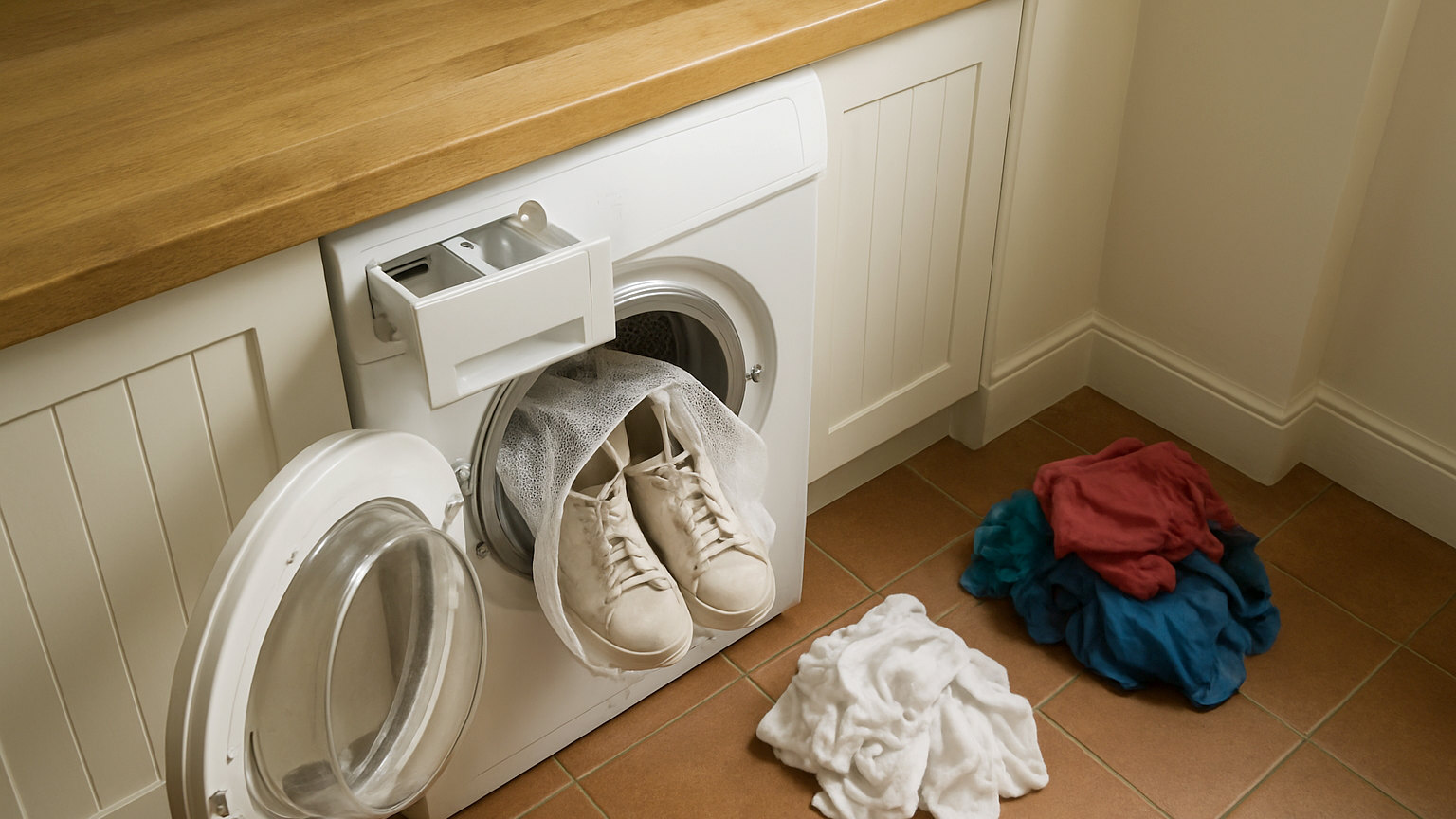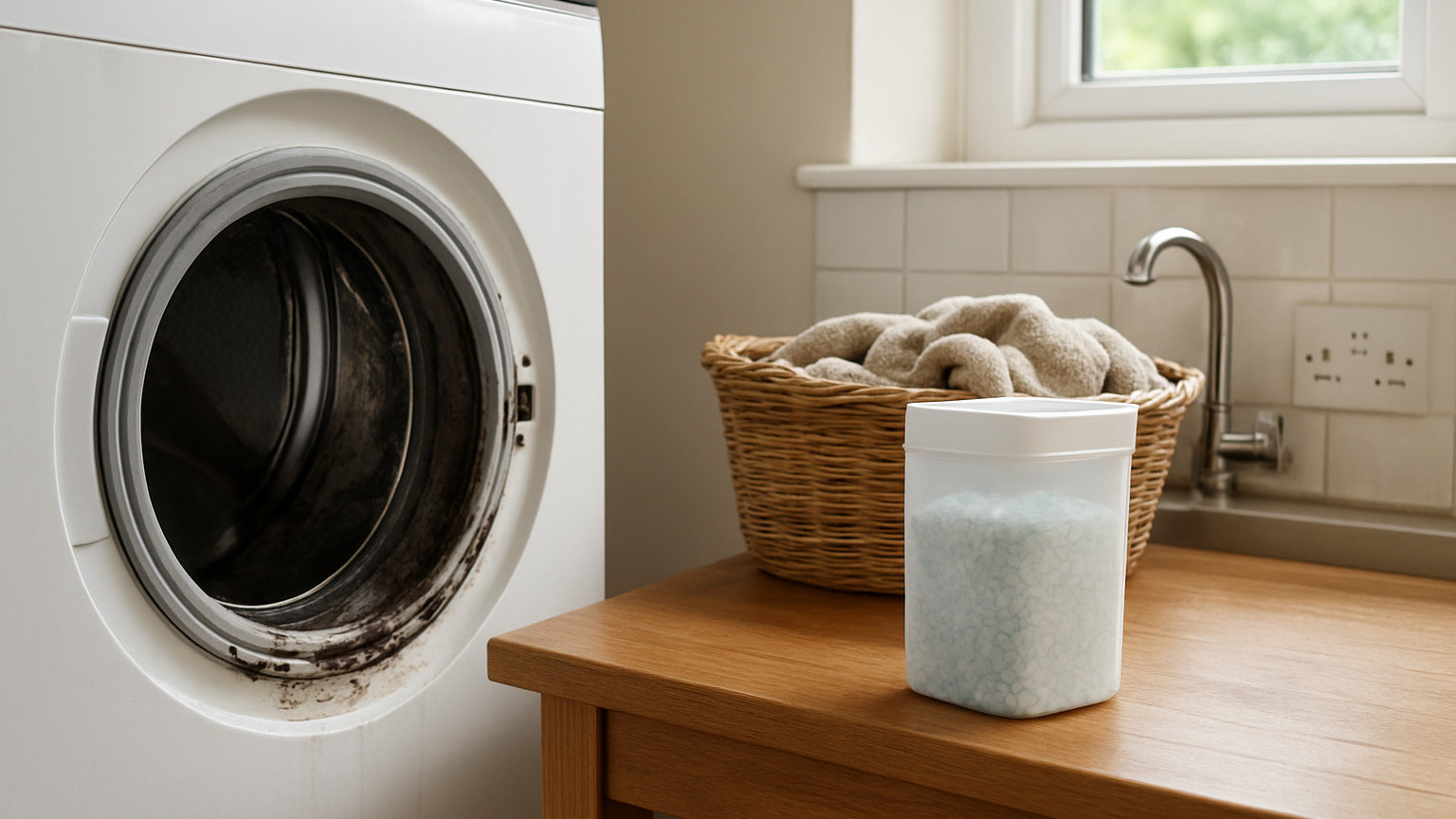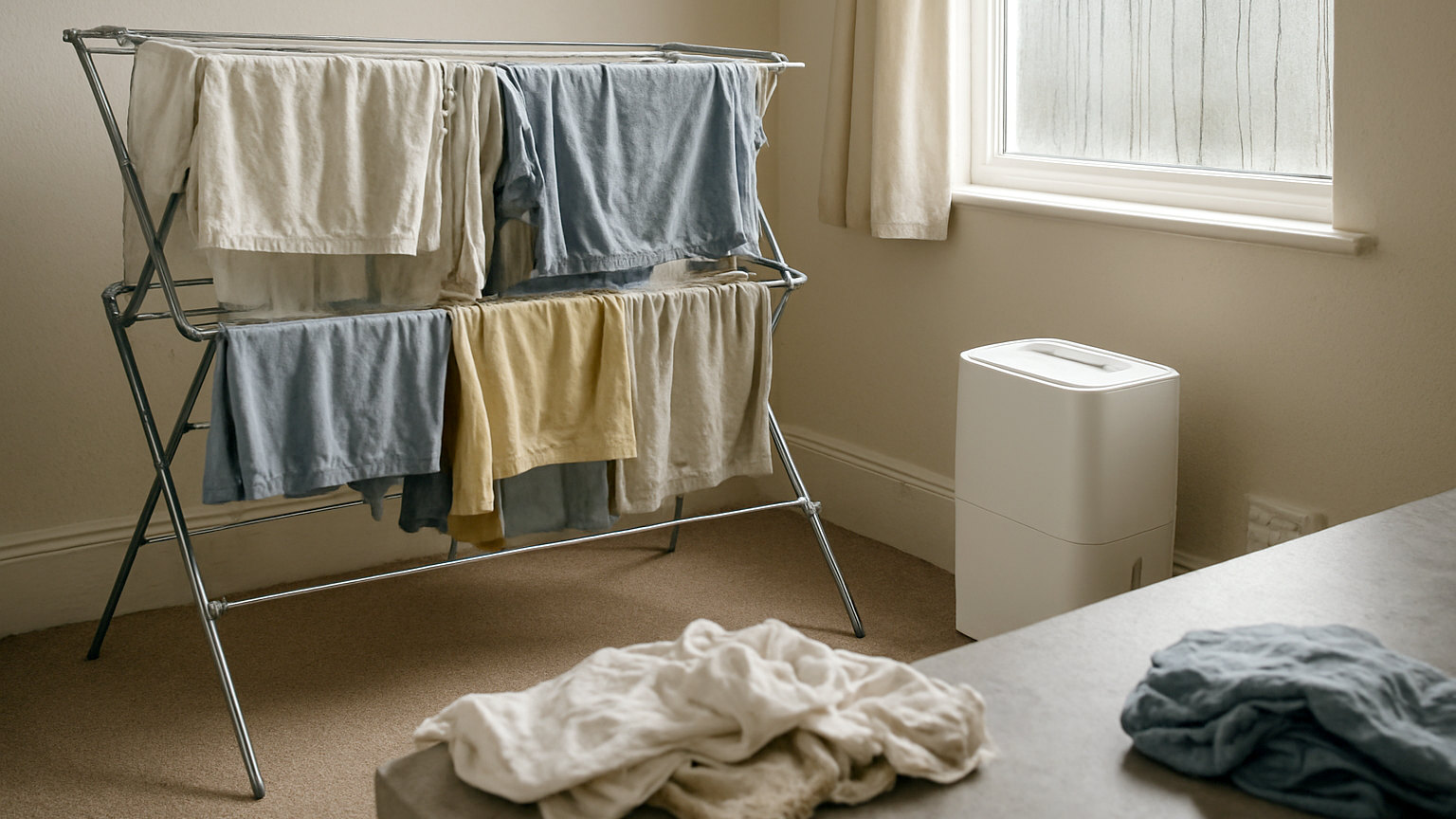
A load of washing taken out of the machine holds roughly two litres of water, and all of it has to go somewhere. Dried indoors, that water evaporates into the air of the house, raises the humidity and then condenses on the coldest surfaces it can find. That is the whole mechanism behind the mould that appears on window reveals, behind wardrobes and in corners of bedrooms in winter.
Does drying indoors really cause damp?
It is one of the largest single moisture sources in a home, alongside showering and cooking. A household drying several loads a week indoors is adding many litres of water to the air, and in a well sealed modern house there is very little natural ventilation to carry it away.
That does not mean it cannot be done. It means the moisture has to be removed deliberately rather than left to find its own way out.
Where should an airer go?
In one room, with the door shut and a window open or a dehumidifier running. Containing the moisture in a single space is far better than letting it spread through the house, because it concentrates the problem where you are dealing with it.
The worst place is a bedroom, particularly overnight with the door closed and no ventilation, since the occupants are adding their own moisture to the same air. A spare room, a utility room, a bathroom with an extractor or a conservatory all work better.
What are the practical rules?
- Spin at the highest speed the fabric allows before anything comes out of the machine. Every extra minute of spinning removes water that would otherwise end up in the air.
- Shut the door of the room you are drying in.
- Open a window, or run a dehumidifier, or both.
- Space items out so air can circulate. A crammed airer takes three times as long and puts the same water into the house over a longer period.
- Keep the room warm rather than cold, since warm air holds more moisture and carries it away faster.
- Do not drape washing over radiators, which blocks the heat output and puts moisture directly into the room.
Why does drying on a radiator cause problems?
Because it puts a large amount of water vapour into the air quickly, in the part of the room where the air is warmest and therefore able to carry the most. That air then circulates, meets a cold external wall or window, and drops its moisture there.
It also makes the heating system work harder. A radiator covered in wet washing is heating the laundry rather than the room, so the boiler runs longer to reach the thermostat setting.
How long should it take?
A well spun load in a warm ventilated room should be dry in a day. If washing is taking two or three days indoors, the room is too cold, too crowded or has nowhere for the moisture to go, and slow drying is also what causes the musty smell that develops in fabric left damp too long.
What about a heated airer?
Heated airers use very little electricity and speed drying considerably, particularly with a cover over the top that traps warm air around the clothes. They still release the same volume of water into the room, so they do not remove the need for ventilation or a dehumidifier.
Used in a small room with the door shut and a dehumidifier running, a heated airer is one of the cheapest ways to dry laundry indoors.
How do you tell if the moisture is a problem?
Look for condensation on windows in the morning, black spotting on window sealant or in corners, a musty smell in a particular room, or damp patches appearing behind furniture on external walls. A cheap humidity meter is genuinely useful here: below about 60 per cent relative humidity, mould struggles to grow, and above it the risk rises steadily.