Chocolate is one of the more awkward food stains because it is three problems in one. There is cocoa pigment, which is a tannin type colouring. There is milk protein, which sets with heat. And there is cocoa butter, which is a fat and needs warmth to dissolve. Treating them in the right order is what makes the difference.
What is the first step?
Let melted chocolate harden before you touch it. Trying to wipe wet chocolate spreads it across three times the area and pushes it into the fibres. Put an ice cube on it in a plastic bag, or put the whole garment in the freezer for twenty minutes, then lift the hardened chocolate off with a blunt edge.
This one step removes most of the material and is the reason people get very different results from the same stain.
What is the method for washable fabric?
- Harden and scrape off as much as possible.
- Flush the back of the stain with cold running water to push the pigment out.
- Apply a small amount of washing up liquid to the mark and work it in gently with a finger, which tackles the cocoa butter.
- Leave it for five minutes.
- Rinse in cold water.
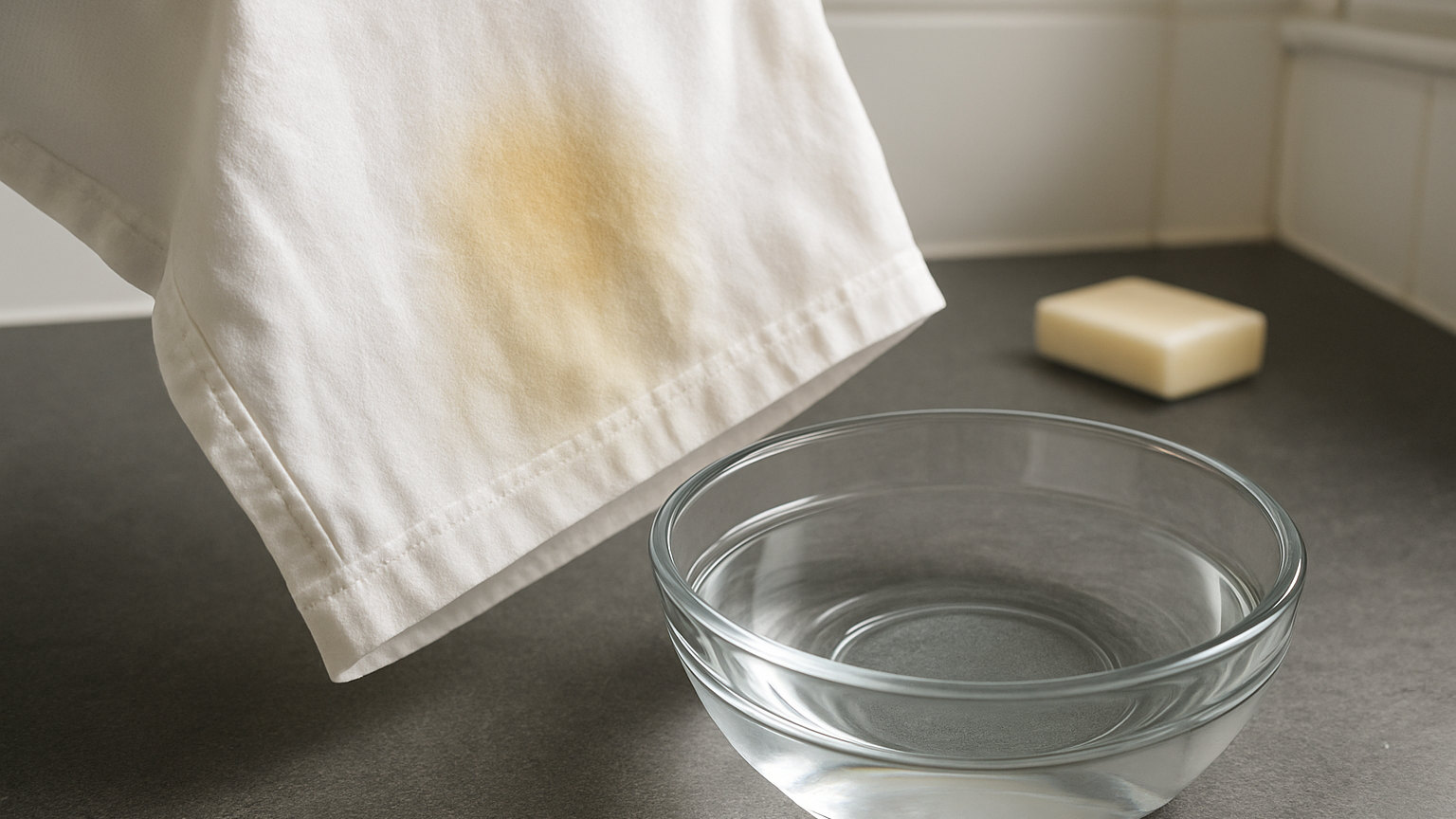
- Soak in cold water with a biological detergent for thirty minutes to deal with the milk protein.
- Wash at 30 or 40 degrees, checking before drying.
Why cold water first?
Because of the milk protein, which sets permanently in hot water. Hot water would dissolve the cocoa butter more effectively, but it would also lock the protein and the pigment into the fibre, which is the worse trade.
Once the protein has been dealt with by soaking and enzymes, a warm wash finishes the job safely.
How do you deal with the remaining brown mark?
The pigment is the last part to go, and it usually needs an oxidising treatment. On white and colourfast fabric, soak in warm water with an oxygen bleach booster for a few hours. On coloured fabric, repeat the detergent soak and dry the item in sunlight, which lifts cocoa staining surprisingly well.
What is the method for carpet?
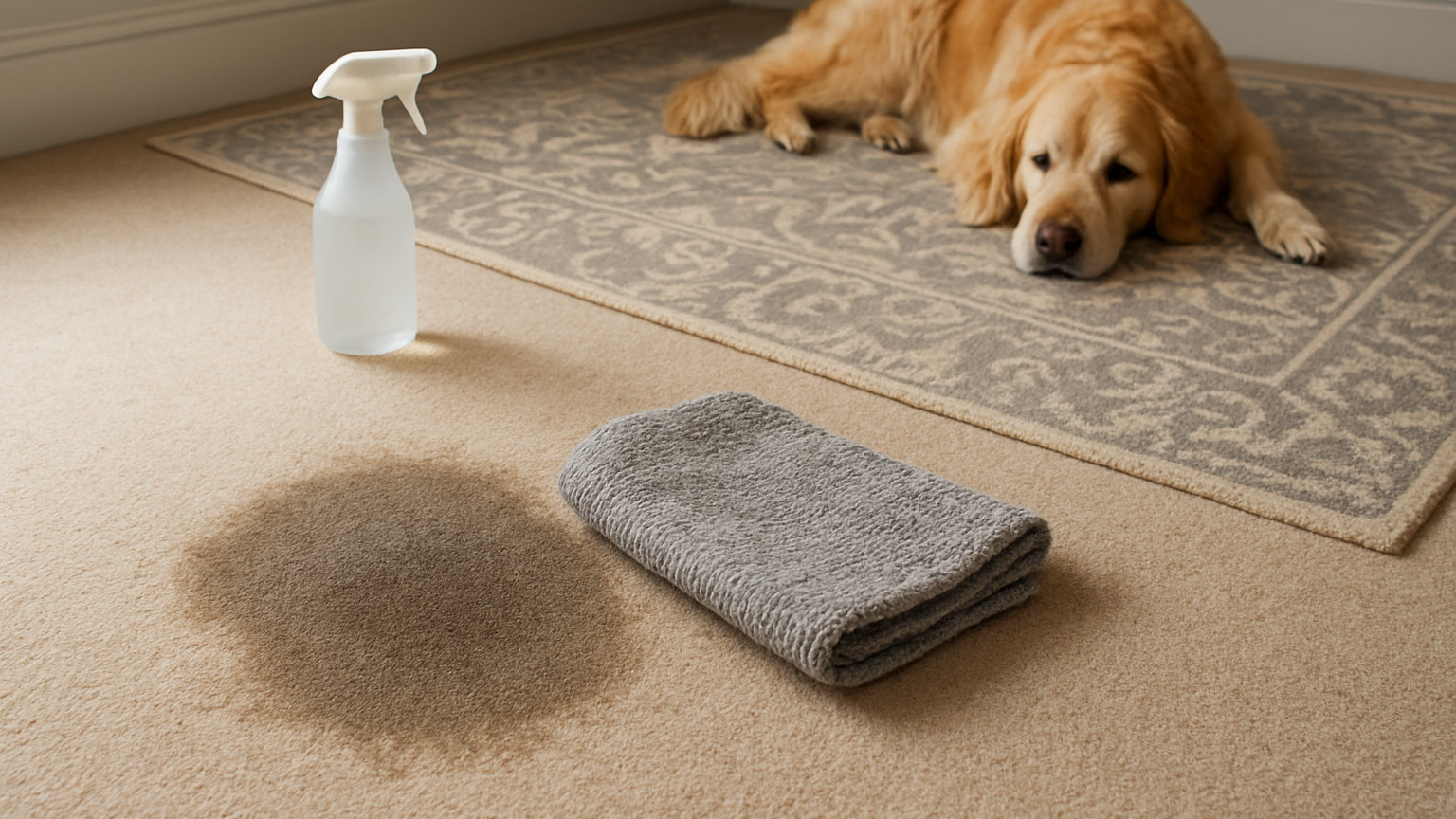
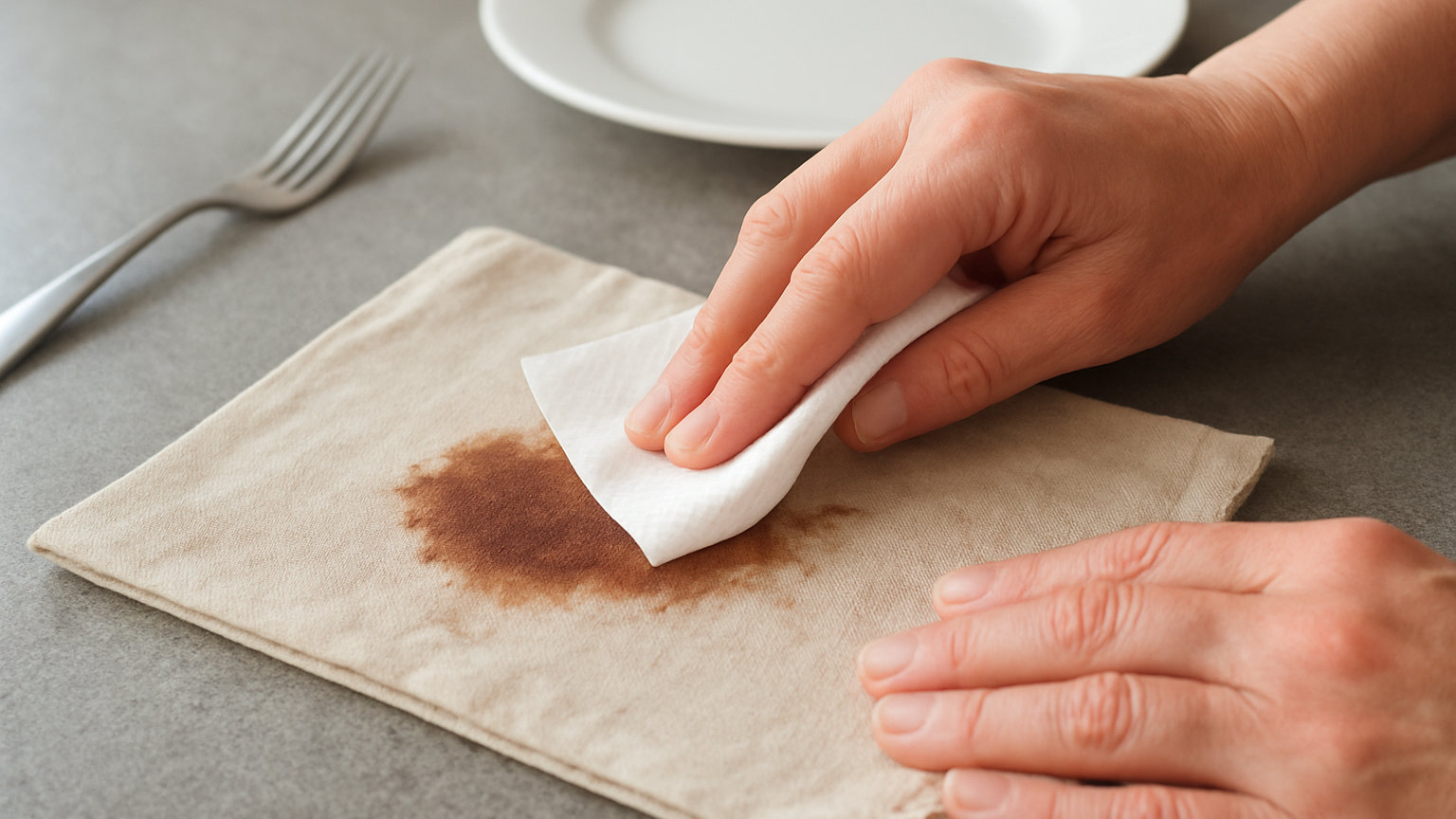
Harden and lift off the solids first, exactly as with fabric. Then blot with a cloth dampened in cold water and a drop of washing up liquid, working from the outside inwards and pressing rather than rubbing.
Rinse by blotting with a cloth dampened in clean water, then press a dry towel down hard under weight to draw the moisture back out. Repeat rather than saturating the carpet in one go, since a wet patch that takes hours to dry will wick the stain back to the surface.
What about upholstery?
Check the cleaning code on the label first. On a W or WS coded sofa, use the same method as for carpet with minimal moisture. On an S coded piece, water will leave a ring, so use a solvent based upholstery cleaner. On an X coded item, vacuum the solids and call a professional.
What should you avoid?
- Hot water at the start, which sets the milk protein.
- Rubbing, which spreads the pigment and damages the pile.
- Tumble drying before the stain has fully gone.
- Ironing over the area, which sets it in seconds.
- Bleach on coloured fabric, which removes the colour along with the mark.
Does dark chocolate behave differently?
Slightly. Dark chocolate has more cocoa solids and less milk, so the pigment is stronger and the protein element smaller. White chocolate is the reverse: very little pigment and a great deal of milk fat and protein, so it leaves a greasy mark rather than a brown one and needs the washing up liquid stage more than the soak.
What if it has already been washed and dried?
Soak in cold water with a biological detergent overnight, then repeat with an oxygen bleach solution if the fabric allows. Heat set chocolate frequently improves substantially over two or three treatments, since the fat can still be dissolved even once the protein has bonded.