Household cleaning produces more plastic waste than most people expect: bottles, trigger sprays, wipe packets, sponge wrappers, refill pouches and the sponges themselves. Most of it comes from two sources, packaging water and designing things to be disposable.
What makes the biggest difference?
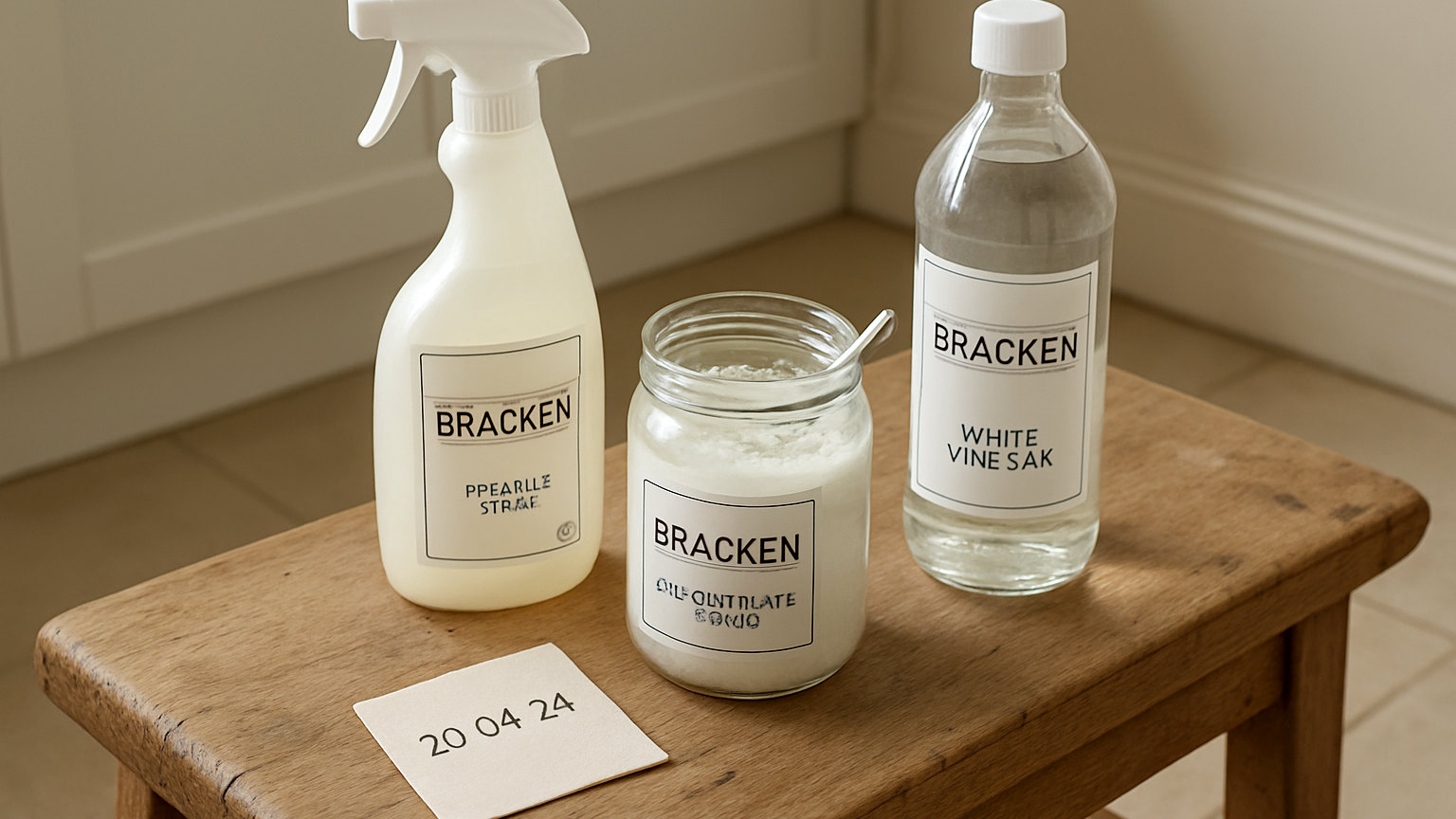
- Stop buying ready mixed sprays. Use concentrates, tablets or bulk refills in bottles you already own.
- Stop buying disposable wipes, which are expensive, plastic based and a drain problem.
- Reuse trigger bottles rather than discarding them with each purchase.
- Buy dry ingredients in bulk, in cardboard where available.
- Choose durable tools over disposable ones.
- Own fewer products, which removes the packaging entirely.
Why are trigger sprays worth keeping?
Because the trigger is the least recyclable part of the whole bottle. It contains a spring, a ball, a tube and several different plastics, and most kerbside collections do not take it.
A trigger reused for years is one avoided per purchase. Rinse the mechanism with warm water when changing product, run clean water through the tube, and relabel.
What solid formats exist?
- Dissolvable cleaning tablets for surface sprays.
- Solid dish soap bars and washing up blocks.
- Laundry powder in cardboard, or laundry sheets.
- Soap bars instead of liquid hand wash.
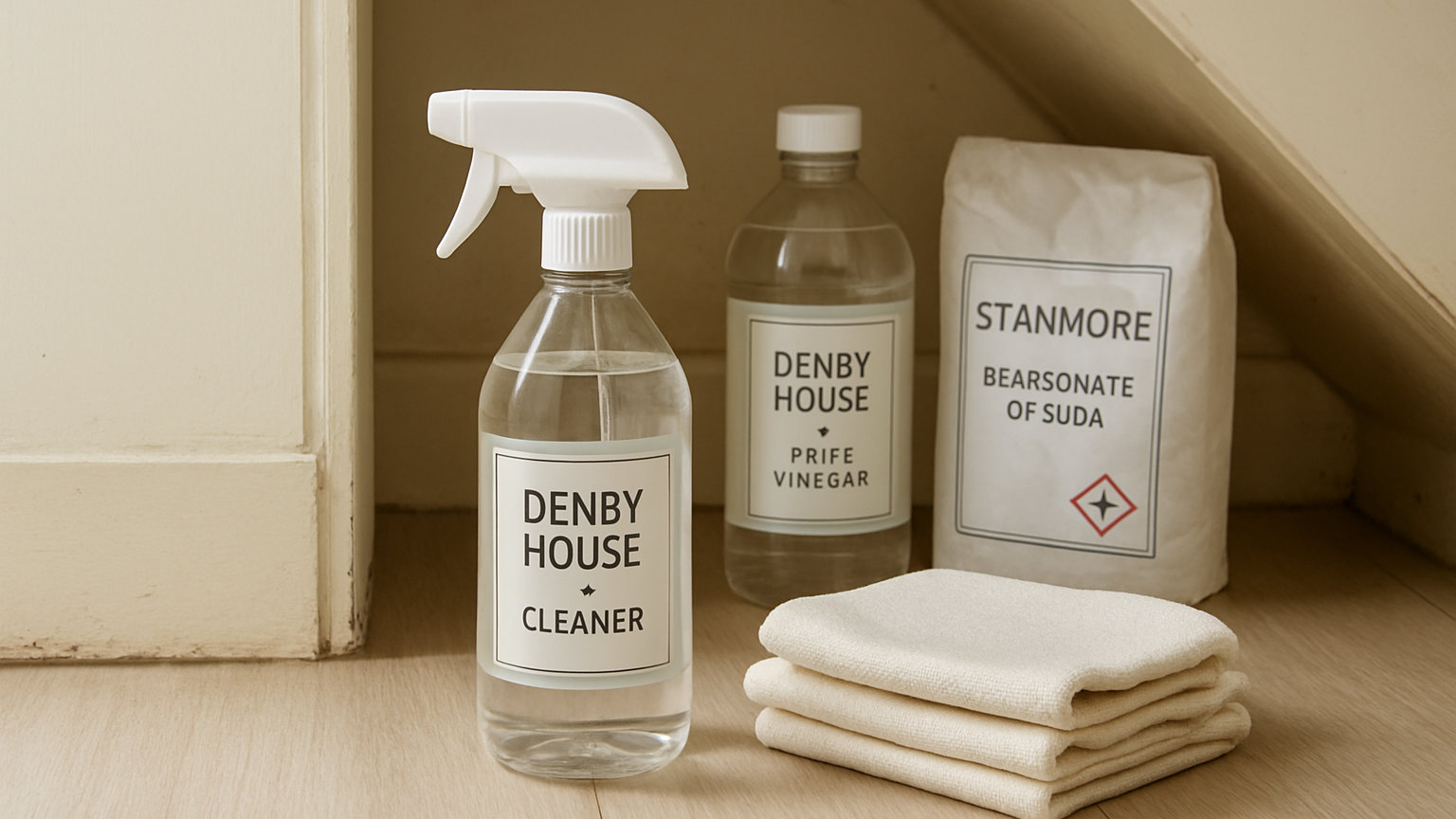
- Bicarbonate, soda crystals and citric acid in paper or cardboard.
- Solid stain removal bars.
Dry powders in cardboard are often the simplest and cheapest change available.
What about the tools?
Plastic sponges, disposable mop pads and plastic brushes are all replaceable with longer lasting alternatives: wooden brushes with replaceable heads, washable microfibre or cotton mop pads, coconut fibre or loofah scourers, and metal or wooden dustpans.
Durability matters more than material here. A plastic tool that lasts ten years is better than a wooden one replaced annually.
What about wipes specifically?
Most contain plastic fibres, they are single use, they are expensive per use and they should never be flushed. They are the clearest place to make a reduction with no loss of function.
A cloth and a spray cleans better, since a wipe stops being clean after its first pass.
What about packaging that claims to be recyclable?
Check what your local authority actually accepts, since recyclable in principle varies enormously in practice. Bottles are usually accepted; triggers, pumps, film wrappers and pouches frequently are not.
Some brands operate return schemes for their own packaging, which is worth using where available.
Is refill shopping practical?
It depends on what is near you. Zero waste shops, some supermarkets and some health food shops offer refills for washing up liquid, laundry liquid and surface cleaners.
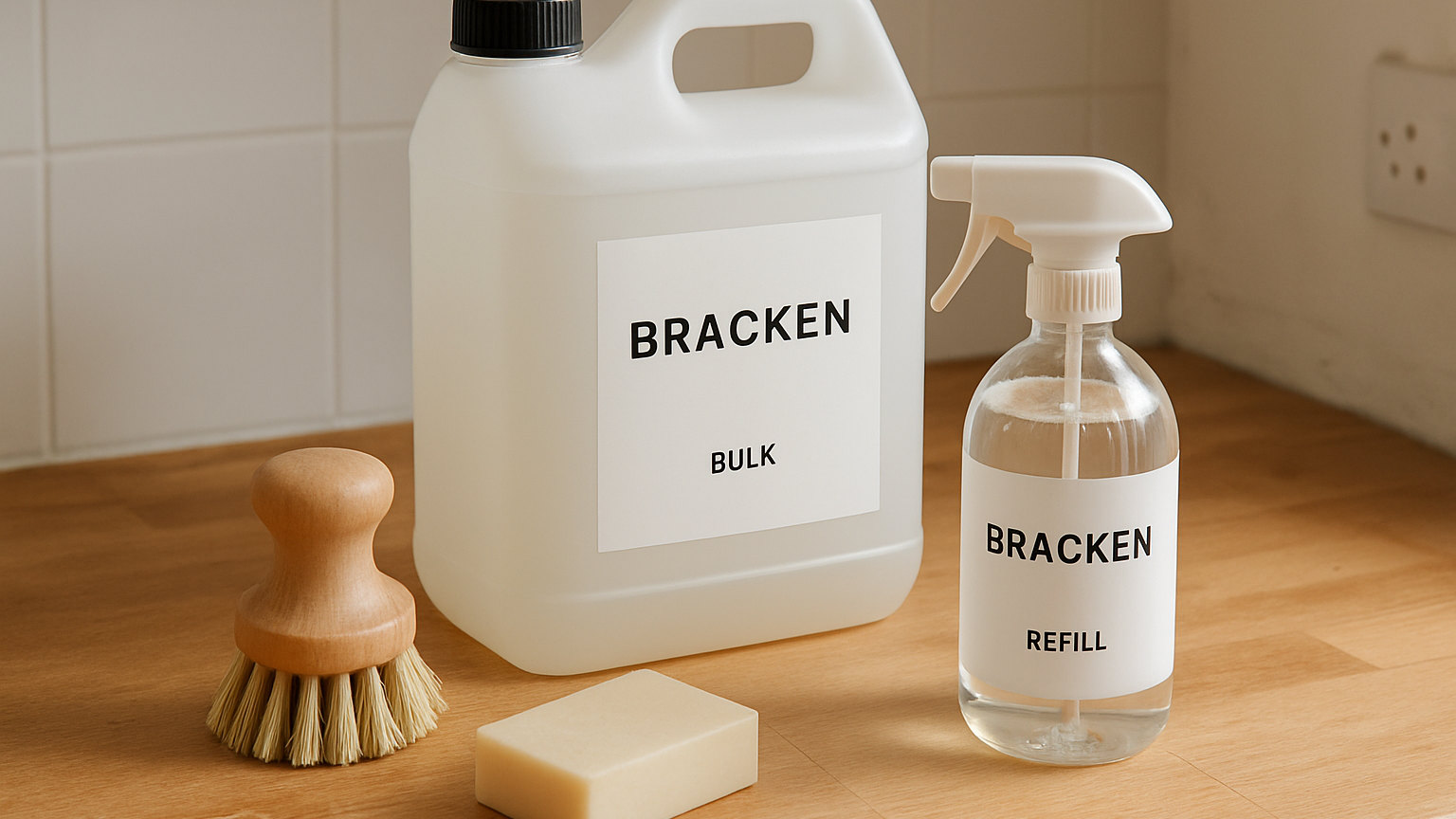
Where there is no shop within reach, a postal concentrate or a bulk container decanted at home achieves much of the same without the trip.
What should you do with what you already have?
Use it up rather than discarding it, since throwing away a working product wastes everything that went into making it. Group similar products together and you will usually find duplicates, which tells you what not to buy again.
What is the easiest starting point?
Keep the bottles you have, buy concentrate for the two sprays you use most, switch to powder in cardboard for laundry, and stop buying wipes. Four changes, no new system, and a substantial reduction in what goes in the bin.
What about the sponges?
Plastic foam sponges are replaced weekly in most kitchens and go straight to landfill. Coconut fibre scourers, loofah pads and cellulose sponge cloths all break down at end of life, and a washing up brush with a replaceable head avoids the question almost entirely while being more hygienic.
Does recycling solve it?
Only partly. Recycling rates for household plastics are lower than most people assume, and many cleaning components are not accepted at all. Reducing what enters the house is considerably more reliable than hoping the collection takes it.
What about soft plastic film?
Refill pouches, wipe packets and outer wrappers are soft plastics, which most kerbside collections do not take. Many supermarkets now accept them at front of store collection points, which is worth using. It remains a second best outcome to not generating the film in the first place.