Building a lower impact cleaning routine works best gradually, starting with the changes that require no purchase at all. The habits matter more than the products, and adopting them one at a time is what makes them stick.
What comes first?
- Use less of everything. Halve your detergent dose and dilute sprays more. Free, immediate and usually improves results.
- Finish what you already own rather than replacing it, since discarding working products wastes everything that went into them.
- Stop buying wipes and kitchen roll as defaults, switching to cloths and rags.
- Wash laundry at 30 for everyday loads, keeping 60 for bedding, towels and cloths.
- Air dry instead of tumble drying where possible.
None of those requires buying anything, and between them they cover most of the available improvement.
What comes next?
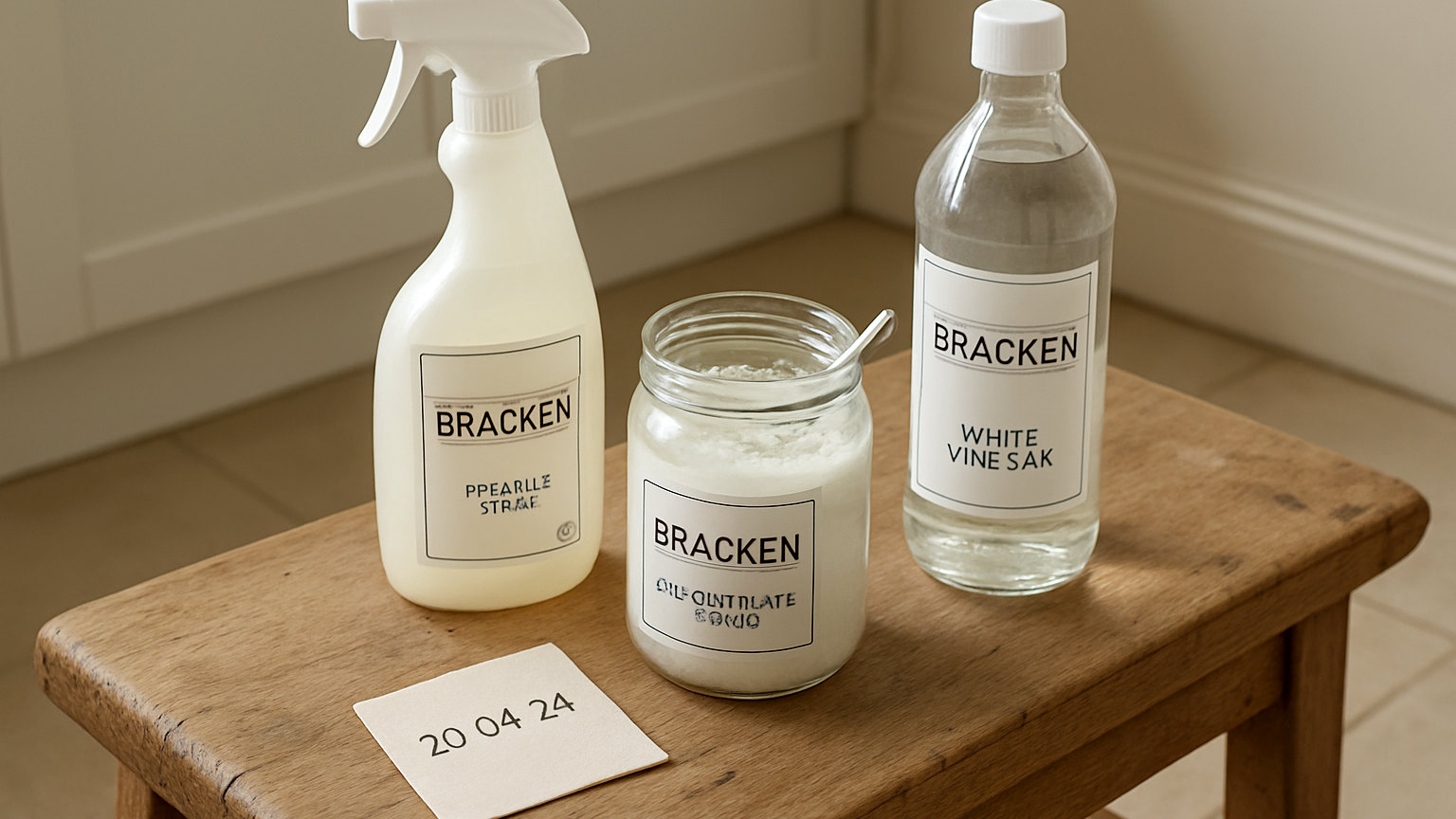
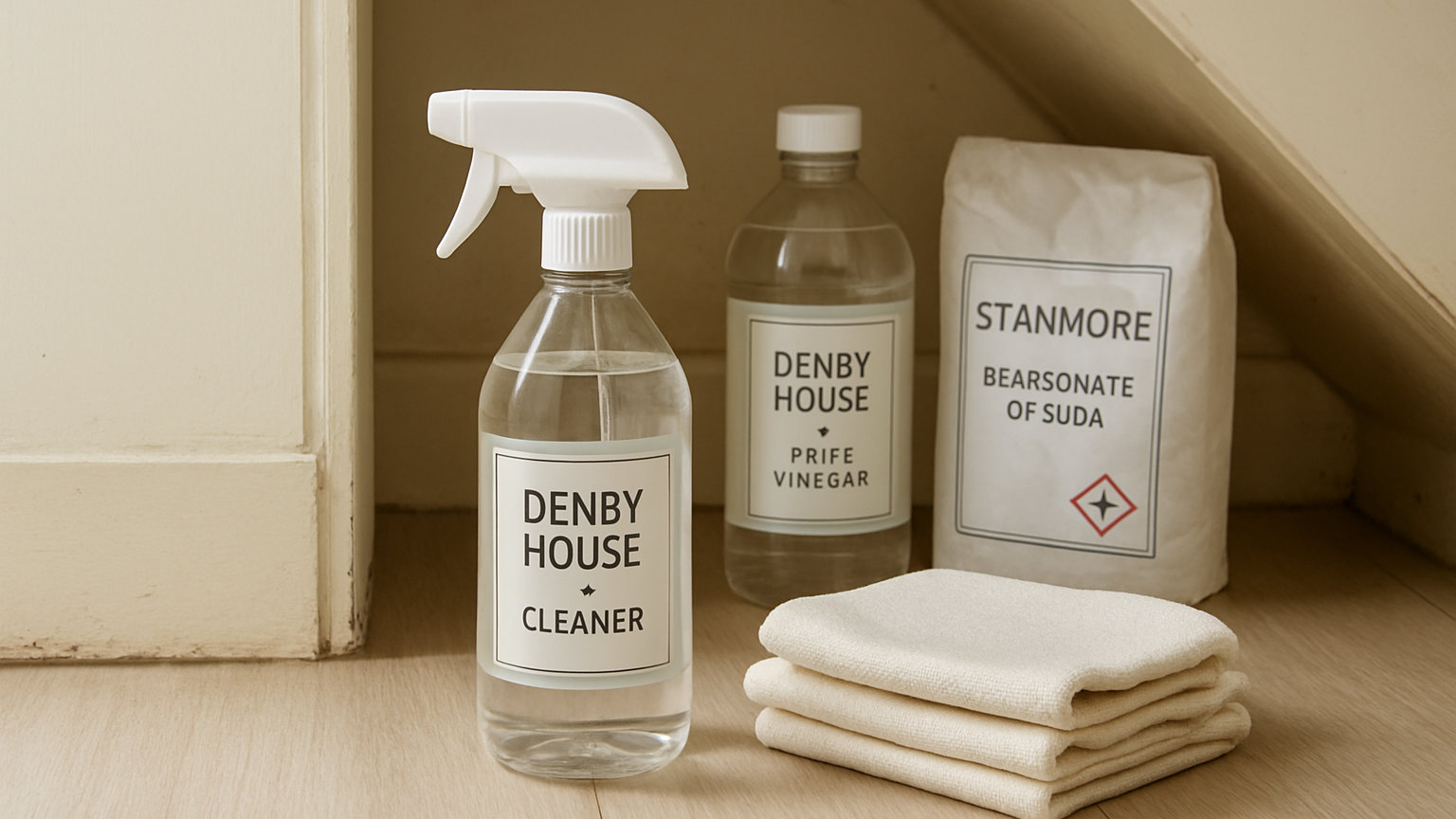
- Switch to refills or concentrates for the two or three sprays you use most, reusing the trigger bottles.
- Buy dry ingredients in bulk: bicarbonate, soda crystals, citric acid and oxygen bleach.
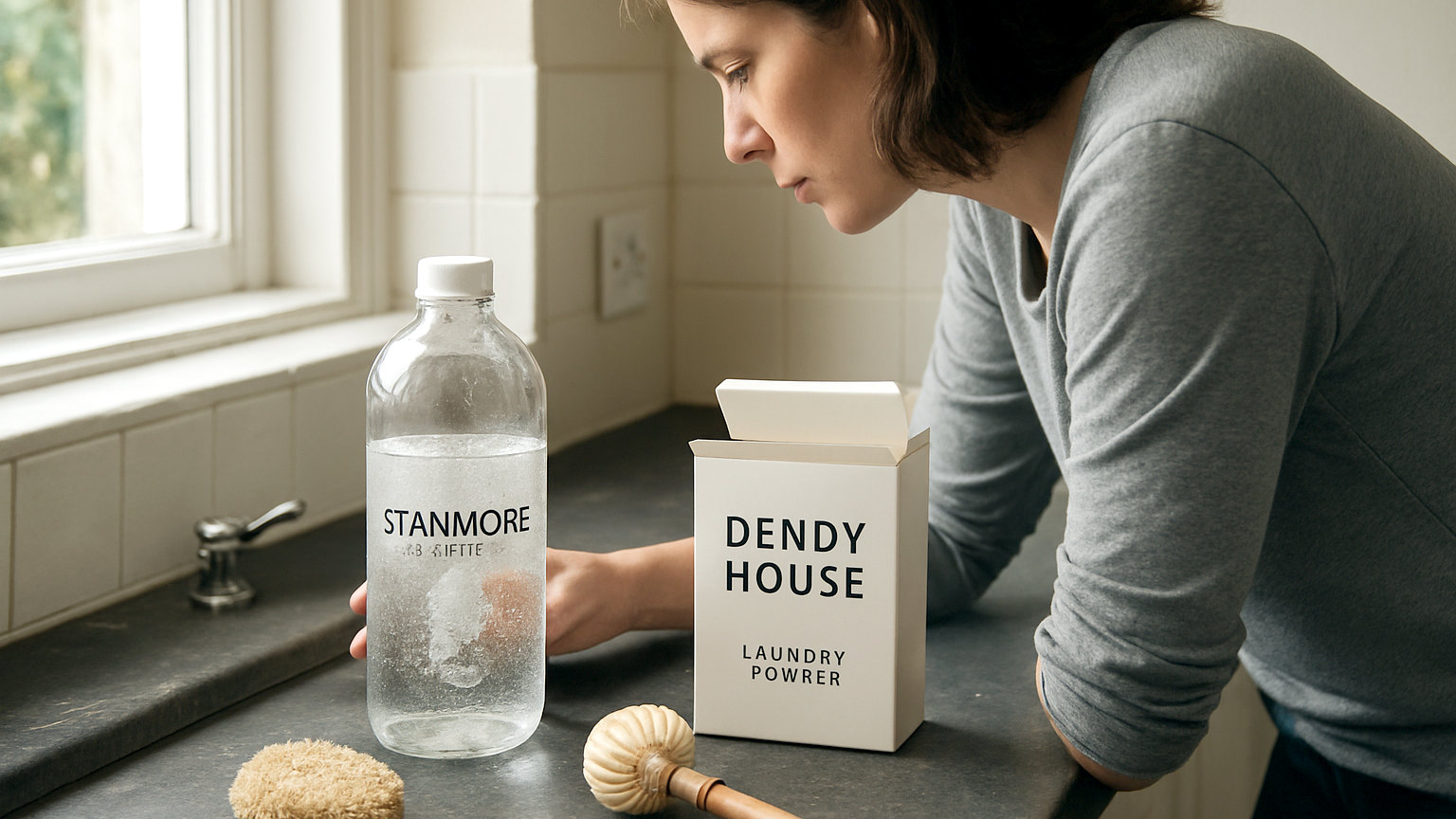
- Switch laundry to powder in cardboard, which reduces packaging and doses easily.
- Replace worn tools with durable ones as they fail, rather than all at once.
- Set up a cloth system with colours and a bag for used ones.
How do you rationalise what you have?
Empty the cupboard and group products by what they do: surfactant, alkali, acid, oxidiser, enzyme. Most households find three or four versions of the same thing.
Use up the duplicates, note what you actually reach for, and buy only those in future. That single exercise usually halves the number of products a household owns.
What should you keep buying conventionally?
A biological laundry detergent, since enzymes enable low temperature washing. An enzyme cleaner for pet accidents. A tested disinfectant for the few situations that need one. And any specialist product your surfaces require.
Being pragmatic about these makes the rest of the routine sustainable in practice.
What does the weekly routine look like?
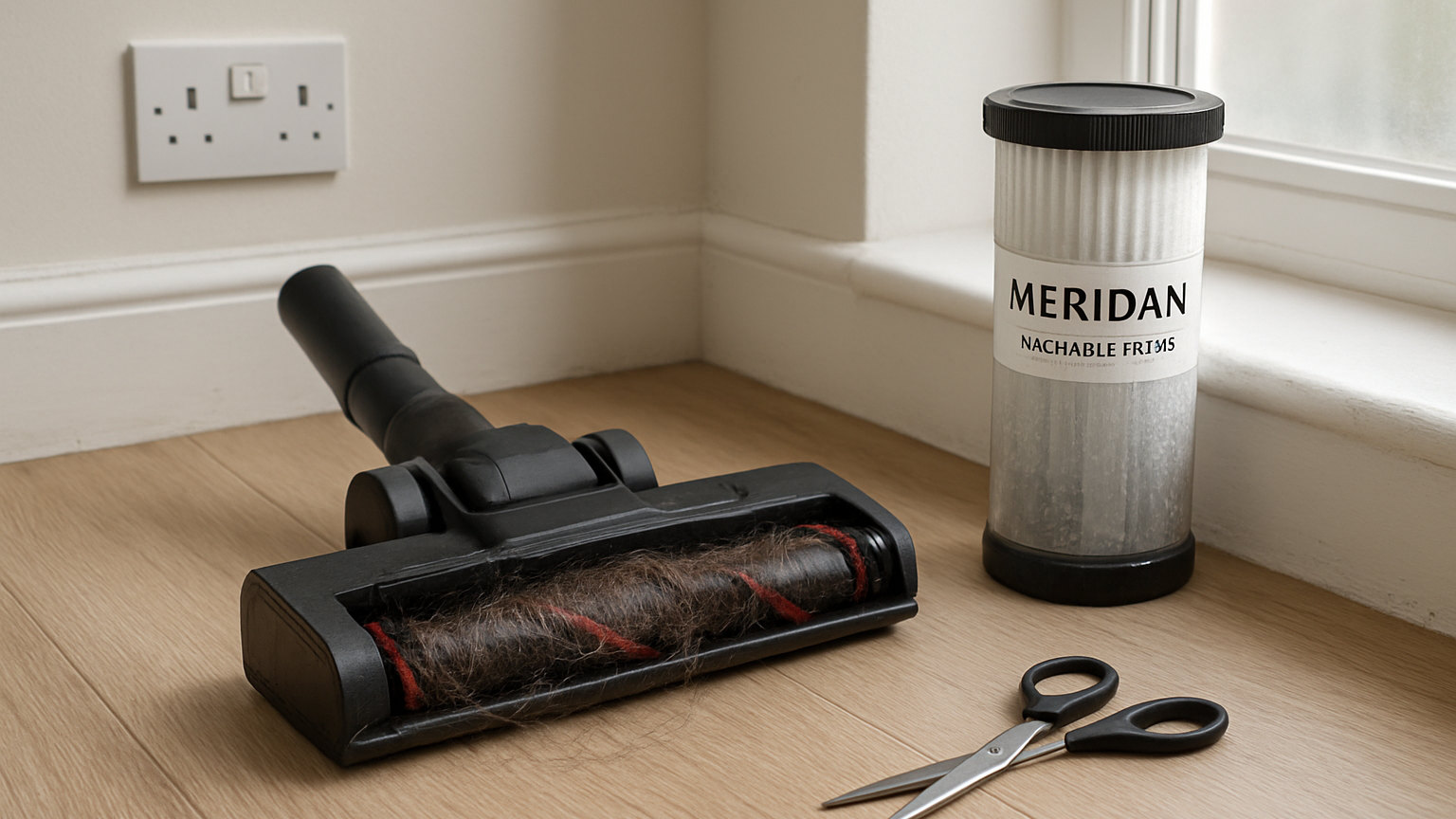
Cloths and a diluted spray for surfaces. A flat mop with washable pads for floors. A vacuum kept in good order with clean filters. Bathroom cleaning with a citric acid solution and a squeegee habit that prevents most of it.
Laundry at 30 in full loads, air dried, with one hot maintenance wash a month.
What makes the biggest difference overall?
Cleaning more often so nothing becomes difficult. A surface wiped weekly needs water and a cloth; the same surface left for three months needs a strong product and considerable effort.
Prevention is the same principle: doormats stop grit entering, a squeegee stops limescale forming, and lids on pans stop grease reaching walls.
What should you not worry about?
Perfection. A household that uses less, buys refills, owns durable tools and washes cooler has made most of the available difference. Agonising over whether a particular surfactant is marginally better achieves very little by comparison.
How do you keep it going?
Make it easy. Keep cloths where the wipes used to be. Keep the concentrate next to the bottle. Put the caddy somewhere accessible. Almost every abandoned routine failed on convenience rather than intention.
What is the simplest version?
Use less, refill rather than rebuy, cloths rather than wipes, wash at 30, air dry, and clean often enough that nothing needs a strong product. Six habits, no system, and most of the impact.
How long does it take to settle in?
A few months, adopting one change at a time. Trying to change everything at once usually fails, because too many small frictions appear simultaneously and the whole thing gets abandoned. One habit a month, kept until it is automatic, is considerably more likely to last.
How do you involve the rest of the household?
By making the right option the easy one rather than by explaining the reasoning. Put cloths where the wipes were, keep the refill next to the bottle, and label things clearly. A system that depends on everyone remembering a rule will fail; one where the convenient choice is also the intended one does not need enforcing.