Microfibre lasts for hundreds of washes if it is treated correctly and can be ruined in a single cycle. The two things that destroy it, fabric conditioner and high heat, are both things people add without thinking.
What is the correct method?
- Shake the cloths out and rinse anything heavily soiled under a tap first.
- Wash them separately from other laundry, particularly anything cotton.
- Use a normal detergent dose or slightly less.
- Wash at 40 to 60 degrees, never higher.
- Add no fabric conditioner of any kind.
- Add an extra rinse if your machine has one.
- Air dry, or tumble dry on the lowest heat setting.
Why no fabric conditioner?
Because it coats the fibres with a waxy film by design, and that film fills the gaps between the split fibres where the dirt is meant to go. A cloth that has been through conditioner stops absorbing, starts smearing and leaves streaks on glass.
It is the most common way microfibre is ruined, and it frequently happens because the dispenser drawer still had conditioner in it from a previous load.
The same applies to dryer sheets, which deposit the same coating in the drum.
Why wash them separately?
Because microfibre attracts and holds lint, and cotton sheds it. A load of towels or cotton clothing washed with microfibre leaves the cloths clogged with fibres that are difficult to remove and that reduce their effectiveness considerably.
It also keeps cleaning cloths, which may have wiped a toilet or a bin, away from clothing and bedding.
What temperature?
Forty degrees for everyday cleaning cloths, sixty for kitchen cloths and anything needing to be hygienically clean. Above sixty the synthetic fibres begin to soften and flatten, which permanently reduces the pile.
Sixty is hot enough to deal with bacteria and cool enough not to damage the fabric, which makes it the sensible default for anything used in a kitchen.
Can they be tumble dried?
On low heat only, or on an air cycle with no heat at all. High heat melts and mats the fibres, and the cloth loses its texture permanently.
Air drying is better and quick, since microfibre dries fast. Hang the cloths spread out rather than balled up.
Do not dry them alongside cotton items, for the lint reason.
How do you restore a cloth that has stopped working?
If it feels slick or has stopped absorbing, it has residue in it. Wash it on a hot cycle at sixty degrees with no detergent at all and an extra rinse, which strips the build up.
A soak in hot water with a cup of white vinegar for an hour beforehand helps, followed by a detergent free wash. This recovers many cloths, though one that has been through conditioner repeatedly may not come back.
How often should they be washed?
After every use for anything that has touched a bathroom or a kitchen surface, and certainly before being used again elsewhere. A damp used cloth left folded grows bacteria rapidly.
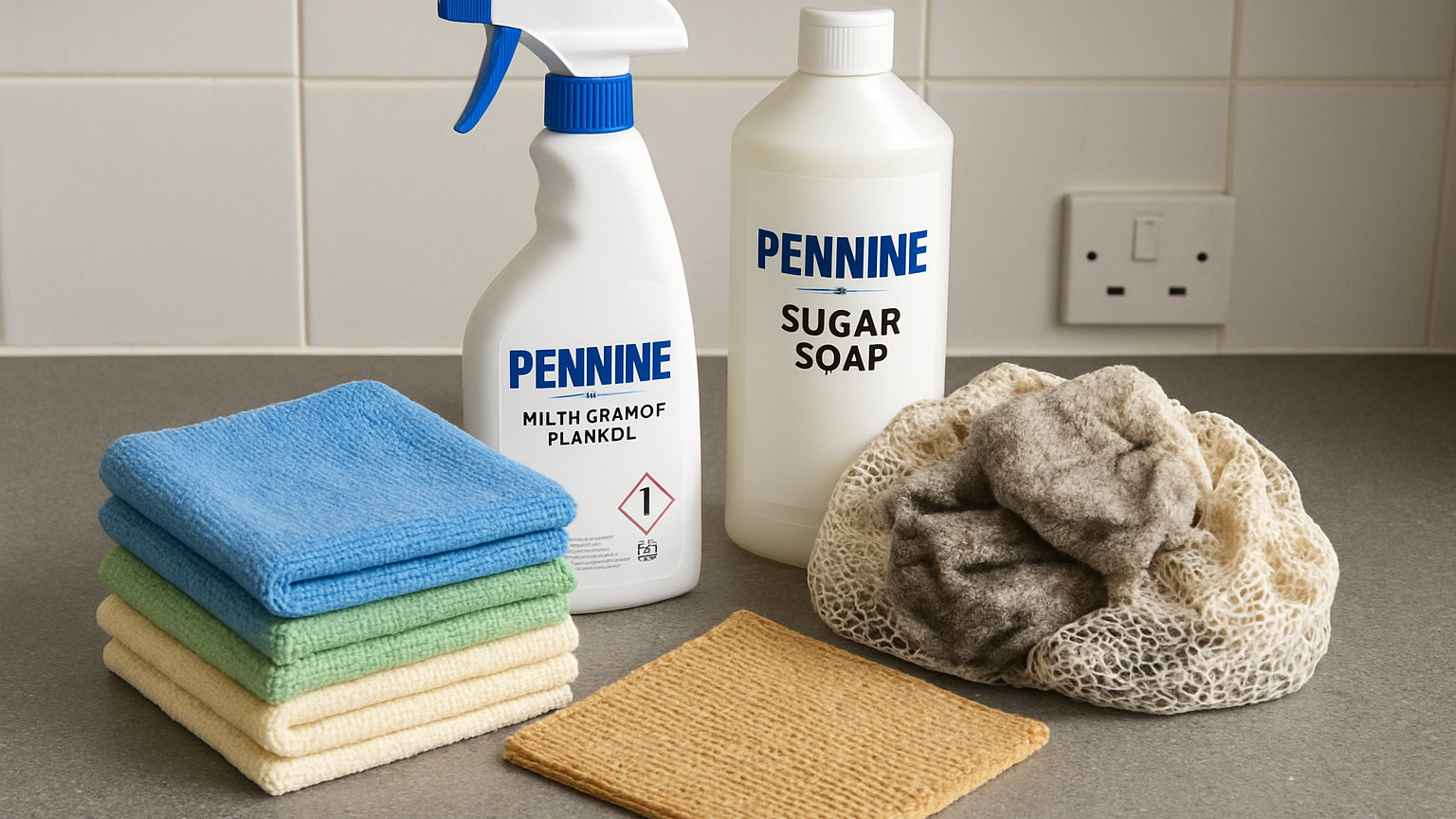
Keep a mesh laundry bag or a small bin for used cloths and run them together when you have enough for a load.
Should they be boiled or bleached?
Neither. Boiling damages the fibres and bleach degrades them. A sixty degree wash achieves the hygiene without either.
For a cloth that smells despite washing, the vinegar soak and detergent free hot wash above is the right approach.
What about washing them by hand?
Fine for a quick rinse between jobs, using hot water and a little washing up liquid, wrung out thoroughly. It is not a substitute for a proper machine wash, since hand washing does not reach the temperature needed to deal with bacteria.
Rinse until the water runs clear, since detergent left in the cloth causes streaking.
Should used cloths be rinsed before storing?
Yes, and it makes a considerable difference. A cloth rinsed and wrung out before it goes into the laundry bag smells far less and washes more easily than one put away loaded with grease and food residue. Thirty seconds under a hot tap is enough.