Cleaning tools accumulate everything they remove, and a tool that is never cleaned eventually redistributes more than it collects. A mop head used for months, a toilet brush left standing in its own drips and a vacuum with a clogged filter are all working against the job they are meant to do.
How do you clean mop heads?
Flat mop pads and most string mop heads are machine washable. Wash them at sixty degrees with detergent and no fabric conditioner, which coats the fibres and destroys absorbency exactly as it does with microfibre cloths.
Wash them after every use, or at least after every full clean of the house. Keep several pads so one is always available.
Where a mop head cannot be machine washed, rinse it thoroughly in hot water, wring it out hard and hang it to dry with the head down and the fibres spread.
Why does drying a mop matter?
Because a damp mop head stored in a cupboard grows bacteria and mould within a day or two, and the smell that develops then transfers onto the floor at the next use.
Hang it rather than standing it in a bucket, and store it somewhere with airflow.
How do you look after a bucket?
Empty it immediately after use rather than leaving dirty water standing, which is how a bucket develops a permanent smell. Rinse it, wash it with hot soapy water, and store it upside down or on its side so it dries.
Check the base, where sediment collects, and the handle fixing, which traps residue.
How do you clean a toilet brush?
Rinse it in the flush water after use, holding it under the rim while flushing. Then leave it resting under the closed toilet seat for a few minutes to drip before returning it to the holder.
Clean the holder itself weekly, since it collects the drips and is frequently the source of a bathroom smell. Pour a little disinfectant into it and empty it down the toilet.
Replace the brush every six months or so, or sooner if it becomes discoloured or splayed.
What about washing up brushes?
The head of most washing up brushes can go in the dishwasher, which is the easiest way to keep it clean. Otherwise rinse thoroughly and stand it head up to dry.
Replace the head when the bristles splay, since a splayed brush cleans poorly and holds more residue.
What about the vacuum cleaner?
- Empty the cylinder or change the bag before it is full, since suction drops well before that point.
- Wash the filters according to the manual, usually monthly, and let them dry completely before refitting.
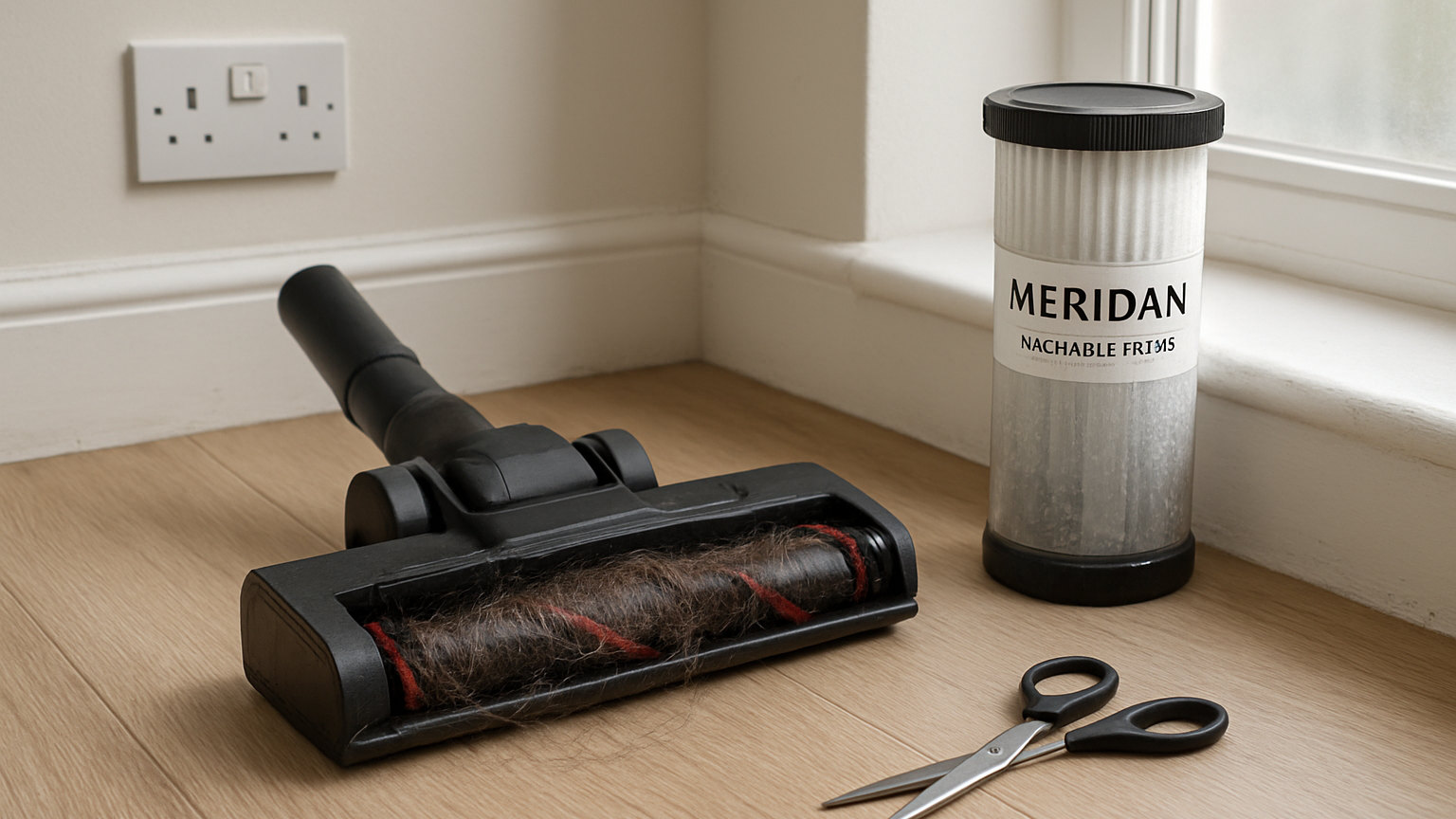
- Clear the brush bar of hair and thread, which wrap around it and stop it turning.
- Check the hose for blockages by feeding something flexible through it.
- Wipe the outside, which collects dust and gets handled constantly.
A vacuum with a clogged filter has poor suction and blows fine dust back into the room, which is a common cause of a dusty house despite regular vacuuming.
What about dustpans, brushes and squeegees?
Wash dustpans and brushes in hot soapy water occasionally, since they hold fine dust that then falls back out. Check squeegee blades for nicks and replace them when they stop clearing cleanly.
Store brushes bristle up or hanging rather than resting on the bristles, which bends them permanently.
How often should all of this happen?
Mop pads and cloths after every use. Buckets after every use. Toilet brush holder weekly. Vacuum filters monthly. Brushes and dustpans monthly. Blades and heads replaced when they stop performing.
What is the underlying point?
The tool touches every surface you clean, so it has the largest reach of anything in the routine. A clean house cleaned with dirty equipment is not clean, and the equipment takes very little time to maintain by comparison.
What about storage?
Everything should dry before it is put away, and a cupboard full of damp equipment develops a smell that transfers onto whatever is used next. Hang mops and brushes rather than standing them on their heads, leave buckets on their side, and give the cupboard some airflow if you can.