A dry clean only label carries less weight than most people assume. Manufacturers apply it routinely to avoid complaints, and a good proportion of garments carrying it can be washed at home successfully. Equally, some genuinely cannot, and the difference is usually in the construction rather than the fabric.
What does dry cleaning actually involve?
It is not dry. Garments are cleaned in a liquid solvent rather than water, most commonly perchloroethylene or a newer hydrocarbon or silicone based alternative. The solvent dissolves oils and greases without penetrating the fibres the way water does, so fabrics do not swell, shrink or distort.
That is the key advantage: no water means no shrinkage, no felting and no loss of structure. It is also why dry cleaning is poor at water based stains such as sweat, coffee and wine, which often need separate treatment.
Which garments genuinely need it?
- Tailored jackets and suits, where canvas interlinings, shoulder padding and a lining all behave differently in water.
- Structured coats with interfacing and shaping.
- Anything pleated, where washing removes the pleats permanently.
- Heavily embellished items with beading or sequins.
- Leather, suede and fur.
- Vintage and antique textiles, which are too fragile to risk.
- Silk that failed a colour fastness test.
- Anything with a fabric the manufacturer has treated, such as a coated or finished surface.
What can usually be washed at home despite the label?
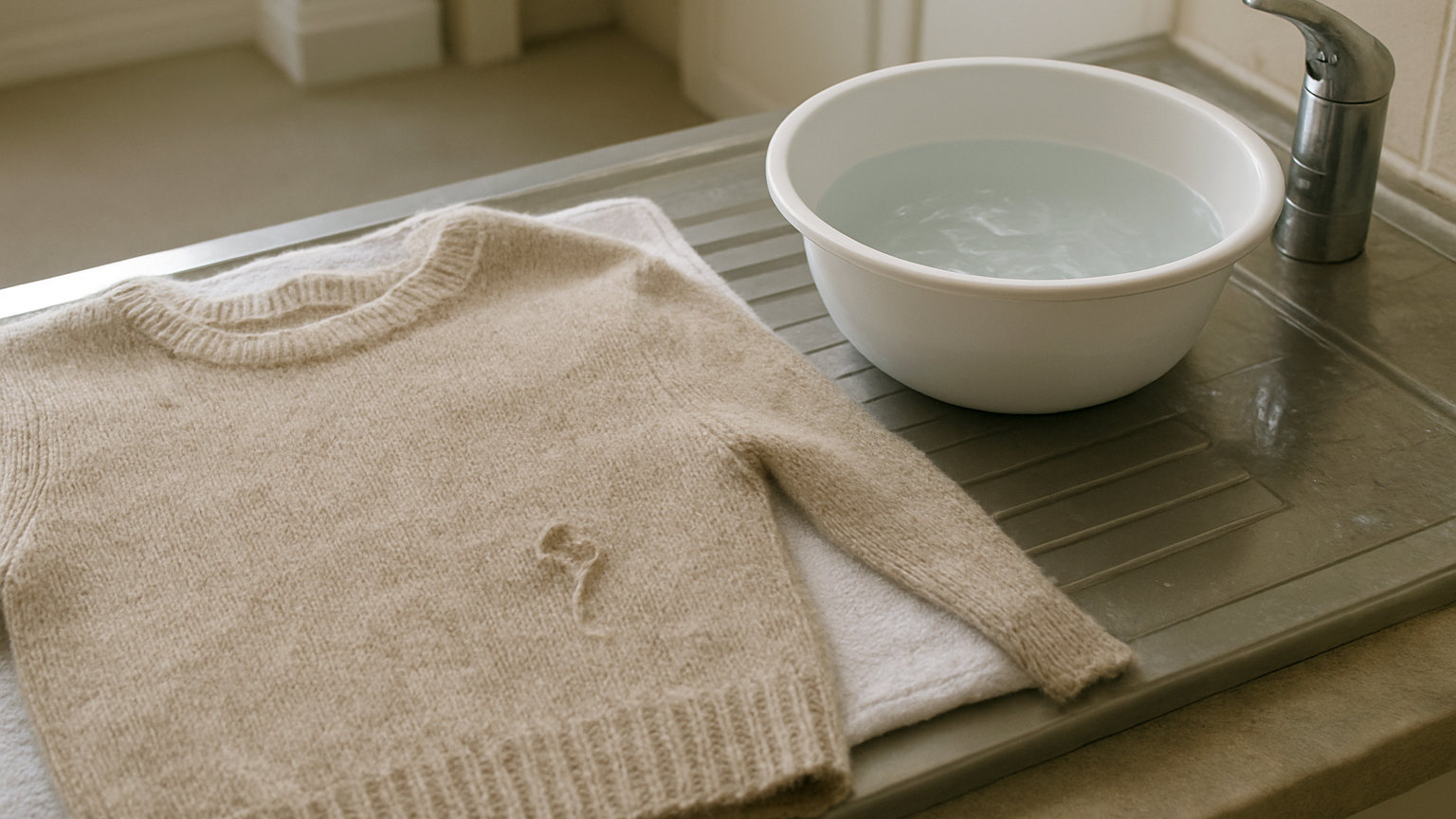
Unstructured and unlined garments in fibres that tolerate water: plain silk blouses, wool jumpers, cashmere, viscose dresses, linen, and unlined cotton items. If the garment is essentially a piece of fabric sewn into a simple shape, water is unlikely to ruin it.
Test for colour fastness first, wash cool by hand or on a gentle cycle, do not wring, and dry flat. Accept that you are taking a small risk with something you value.
What is the difference between dry clean only and dry clean?
Dry clean only is stated as a requirement. Dry clean, or a circle symbol on the label without the word only, is a recommendation, and those garments are considerably more likely to survive careful hand washing.
The symbol itself is a circle, sometimes with a letter inside indicating which solvent the cleaner should use. A crossed out circle means it must not be dry cleaned at all, which appears on some coated and rubberised fabrics.
How often should suits and coats be cleaned?
Less often than most people think. Dry cleaning is mildly hard on fabric and on trims, and repeated cleaning ages a garment. A suit worn once or twice a week needs cleaning perhaps two or three times a year, with brushing, airing and spot cleaning in between.
Trousers need it more often than the jacket, which is why buying a suit with two pairs is a sensible idea.
What should you do before taking something in?
Point out every stain and say what caused it. Dry cleaning solvent is poor at water based stains, and the cleaner will pre-treat them separately if they know they are there. A stain that goes through the process untreated is usually set permanently by the heat of the finishing press.
Empty the pockets, and mention any repair needed, since a small tear becomes a large one in a commercial machine.
What should you do when it comes back?
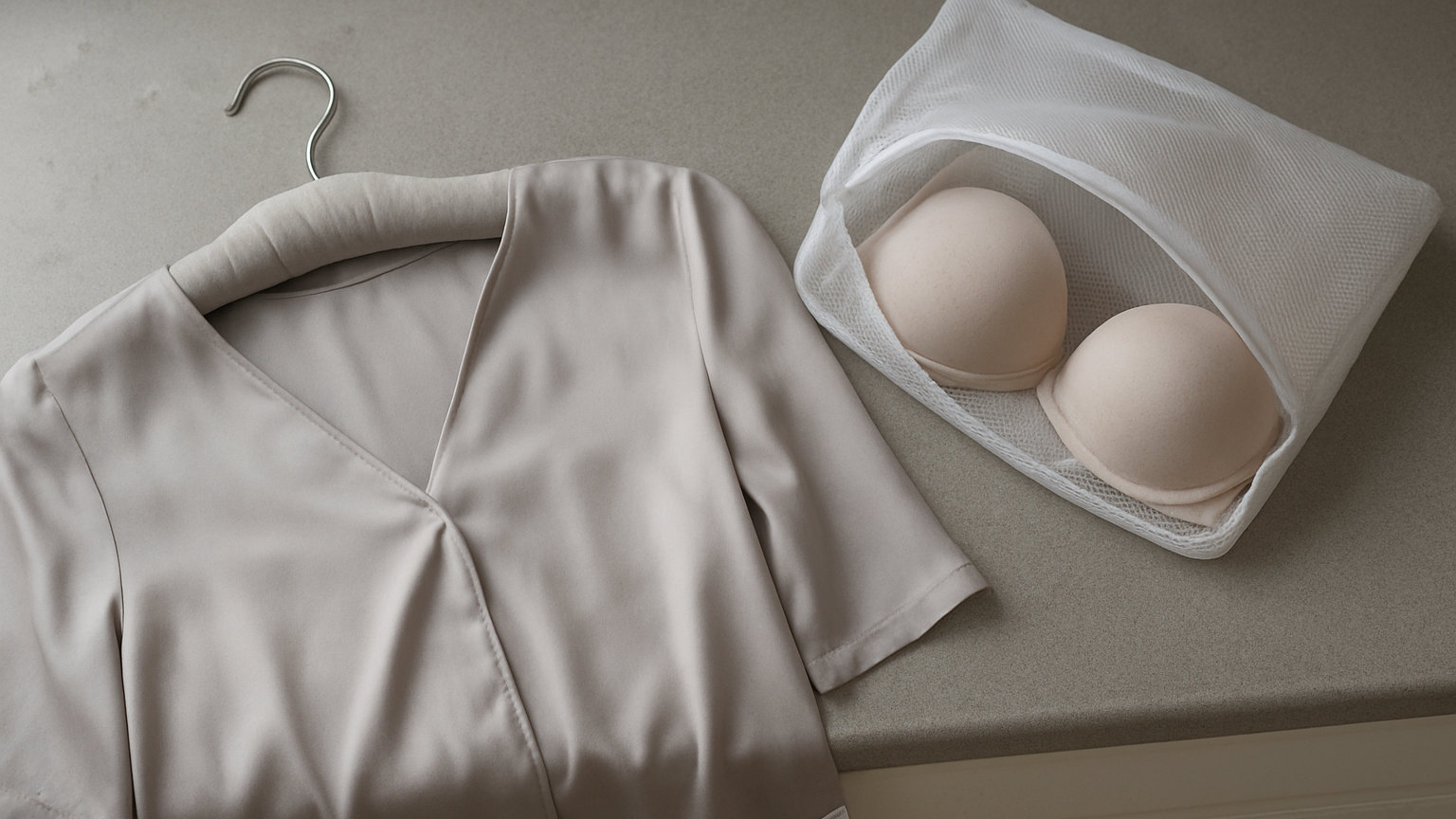
Take the plastic cover off immediately. It traps residual solvent and moisture against the fabric and can cause yellowing over months. Hang the garment somewhere ventilated for a day before it goes back in the wardrobe, and use a wide shaped hanger rather than the wire one it arrived on.
Are there alternatives?
Home dry cleaning kits use a damp cloth and a tumble dryer bag to freshen garments and remove light odours. They do not clean in any real sense and will not remove stains, but they are useful between professional cleans for suits and jackets.
Brushing a wool garment after wearing, airing it overnight and spot cleaning marks promptly will extend the interval between cleans considerably.