Most laundry mistakes come down to a handful of symbols, and the pattern is consistent. People read the obvious part of a symbol and miss the small mark added to it, which is usually the part that changes the instruction.
The bars underneath a symbol
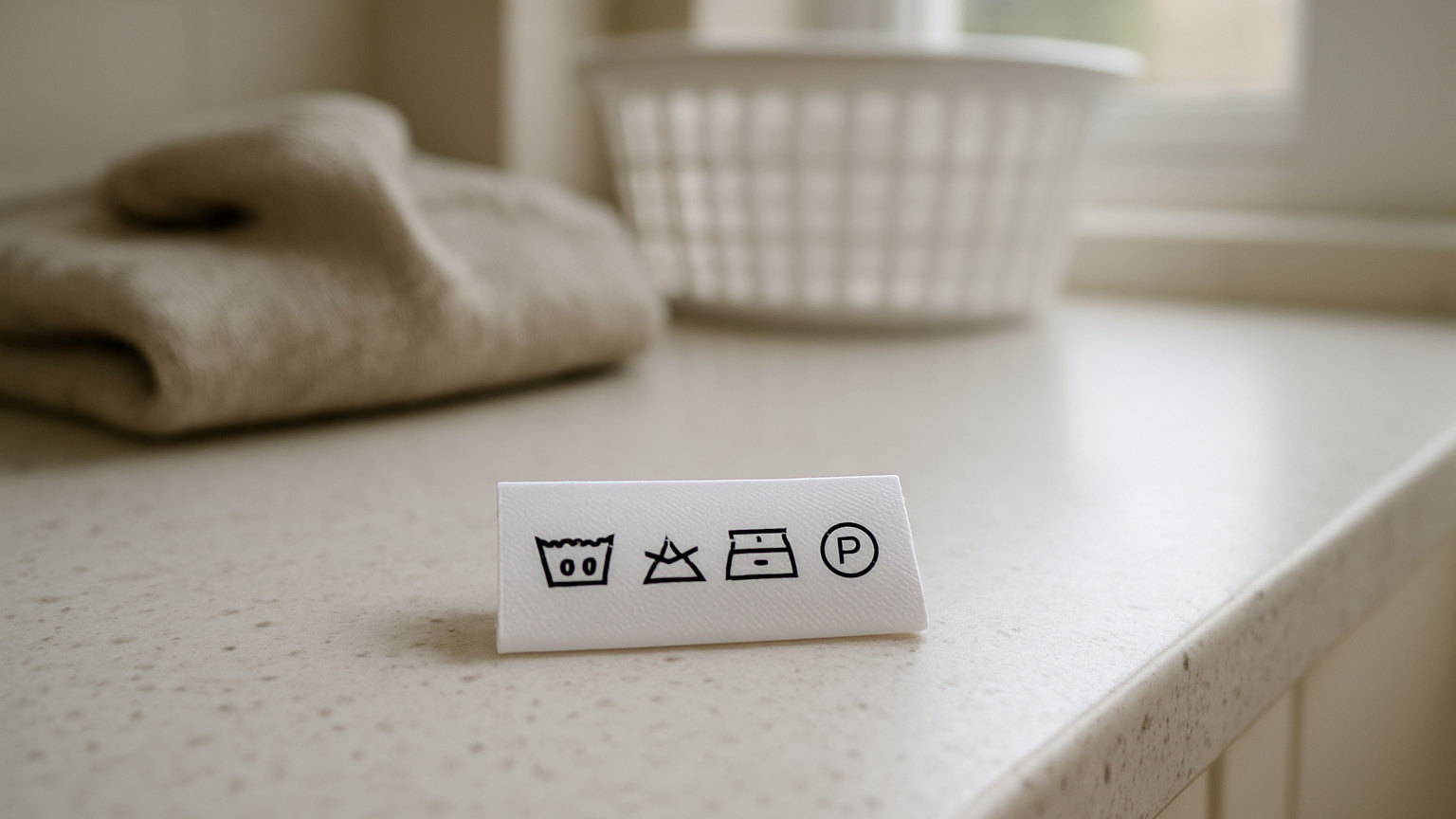
The most commonly missed marking on any care label. One bar under the wash tub means a gentle cycle; two bars mean a delicate or wool cycle. People read the temperature, set the machine to it, and run a normal cotton programme.
The result is felted wool, stretched knitwear and crushed structured garments, all washed at exactly the right temperature. For wool and silk the bars matter far more than the number does.
The diagonal lines inside the bleach triangle
An empty triangle means any bleach. A triangle with two diagonal lines means non-chlorine bleach only. The lines are small and easily overlooked, and treating the second as permission to use household bleach removes the colour from the garment.
The related mistake is not realising that a crossed out triangle rules out ordinary powder detergent too, since most powders contain oxygen bleach.
The horizontal line inside the drying square
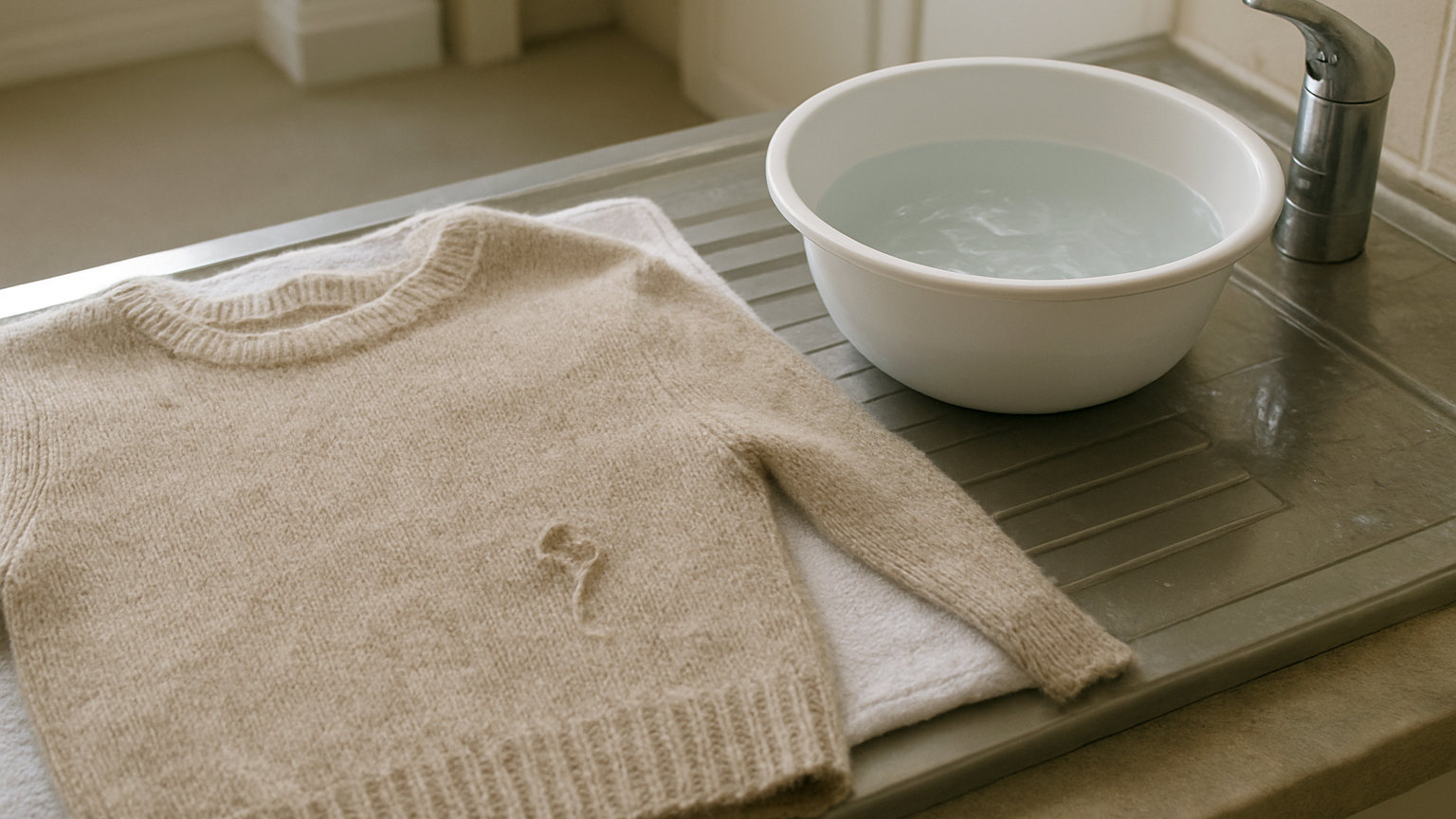
A square with a single horizontal line means dry flat. It is frequently read as simply meaning air dry, and the garment is hung on a line instead. A wet jumper hung by the shoulders stretches under the weight of the water and does not recover.
This one symbol probably accounts for more ruined knitwear than any other single instruction on a label.
The crossed out steam lines under the iron
Short diagonal lines beneath the iron symbol with a cross through them mean do not use steam. People see the iron and the dots, set the temperature correctly, and use steam anyway.
On silk this leaves permanent water spots, and on some coated fabrics it marks the surface. The garment could have been ironed safely and was not.
The circle without a crossed out tub
A circle means professional cleaning is suitable. It does not by itself mean the garment cannot be washed. Where a label shows a circle and a permitted wash tub, either route is acceptable, and plenty of people take perfectly washable clothing to a dry cleaner unnecessarily.
The reverse error is more expensive: ignoring a crossed out tub next to the circle and washing something that genuinely should not get wet.
What else causes trouble?
- Treating the temperature as a target rather than a ceiling, and washing everything at the stated maximum.
- Assuming a permitted tumble dry is a good idea, when the symbol only states what the fabric will survive.
- Ignoring the fibre content label, which explains the symbols and covers what they cannot.
- Missing elastane in a blend, which needs low heat regardless of what the outer fibre tolerates.
- Not checking a second label, since some garments carry separate labels for a lining or a trim.
Which mistakes are recoverable?
Very few. Felted wool cannot be unfelted. Elastane degraded by heat cannot be restored. A bleached patch cannot be re-dyed invisibly. Water marks on silk can sometimes be improved by rewetting the whole panel evenly, and shrunk cotton can partially recover with a conditioner soak and gentle stretching.
That asymmetry is the argument for reading the whole symbol rather than the obvious half of it.
What is the quickest way to avoid all five?
Look at the label twice: once for the big shapes and once for the small marks. The second look takes five seconds and catches the bars, the diagonal lines, the horizontal line and the crossed out steam, which between them account for most of the damage people cause to their own clothes.
Is it worth checking every garment?
Every new one, and anything you have not washed before. After that, most clothing falls into obvious groups and the decision becomes automatic. The label matters most on the items that are unusual: wool, silk, anything structured, anything with stretch and anything expensive, which is a small fraction of a wardrobe and the part worth the attention.