A fridge should run at 5 degrees Celsius or below, and a freezer at minus 18. Those are the figures used in UK food safety guidance, and a great many domestic fridges do not meet them, largely because people assume the numbered dial inside is a temperature reading when it is usually just a setting from one to five or six.
How do you check the actual temperature?
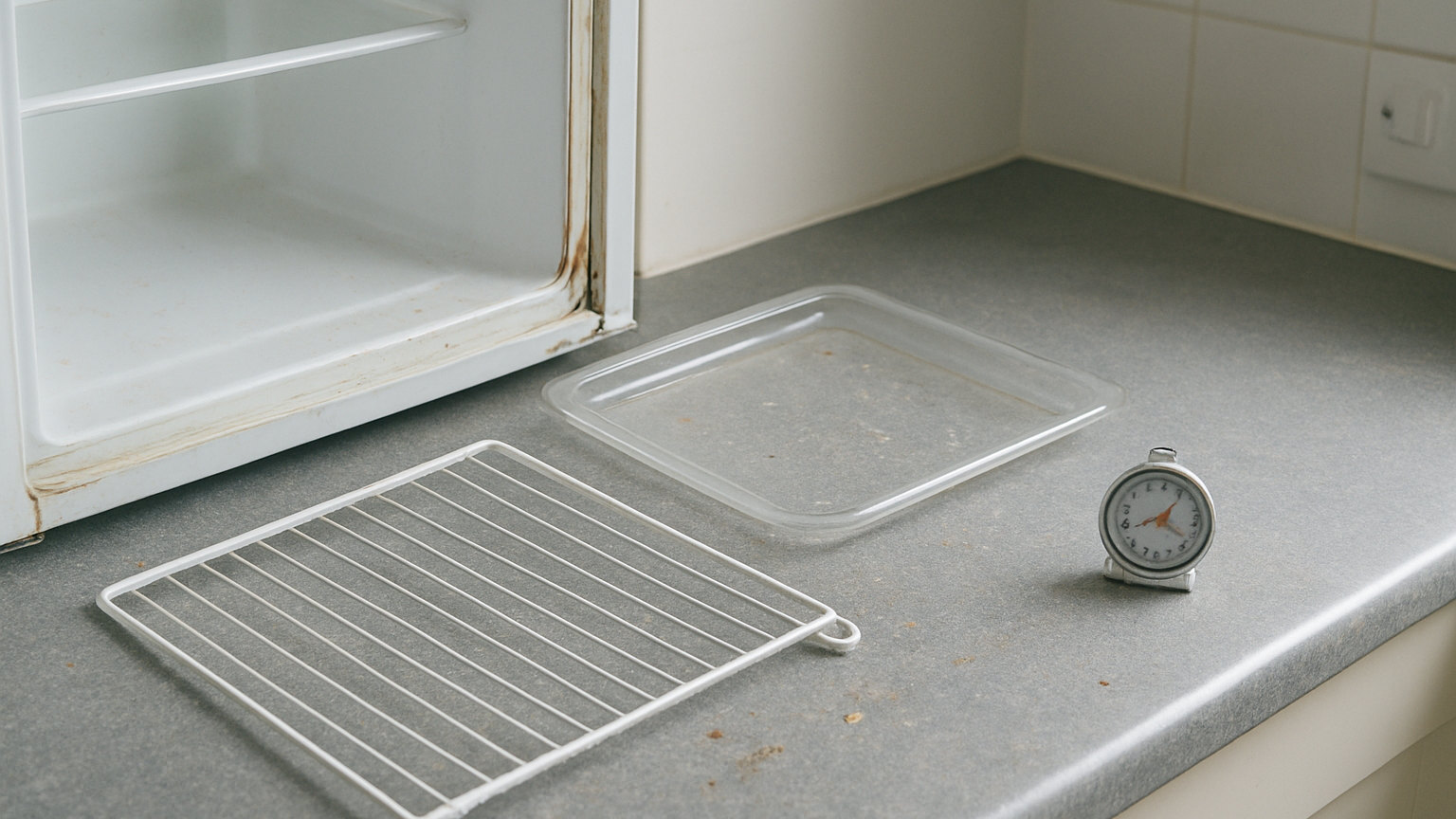
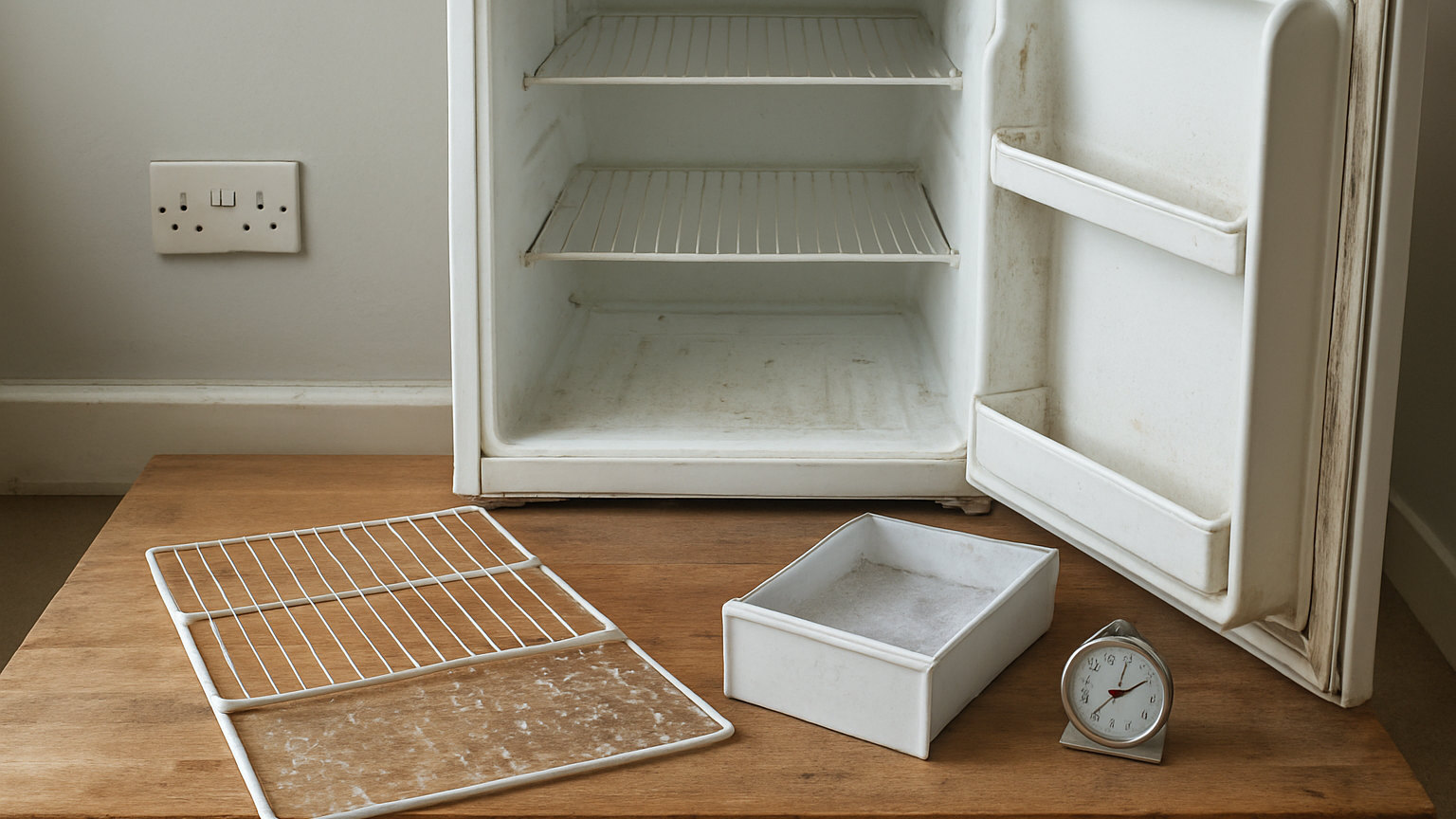
With a fridge thermometer, which costs very little and is the only reliable way to know. Place it in the middle of the middle shelf, not in the door and not against the back wall, and leave it for several hours or overnight.
Some fridges have a digital display showing the target rather than the actual temperature, so a thermometer is still worth having.
What do the dial numbers mean?
On most fridges the dial controls how long the compressor runs rather than setting a temperature directly, with a higher number meaning colder. One is the warmest setting and the highest number the coldest. Zero or off usually means the cooling is switched off entirely rather than set to maximum.
Start at the middle of the range and adjust based on what the thermometer says, waiting twenty four hours between adjustments.
Which parts of a fridge are coldest?
- The bottom shelf is usually the coldest, which is why raw meat and fish belong there.
- The back is colder than the front.
- The door is the warmest part and fluctuates every time it is opened.
- The salad drawers are slightly warmer and more humid, which suits vegetables.
Milk kept in the door is in the warmest spot in the fridge, which is worth knowing given how often it is done.
Where should raw meat go?
On the bottom shelf, in a sealed container or on a plate, so nothing can drip onto food below. This is the single most important storage rule in a fridge and it prevents cross contamination of ready to eat food.
Cooked and ready to eat food goes above, never below.
What affects the temperature?
Opening the door frequently. Putting warm food in, which should be cooled first. Overfilling, which blocks air circulation. Underfilling, since a fuller fridge holds temperature better. A failing door seal. Blocked vents inside. And warm ambient conditions, including a fridge next to a cooker or in direct sun.
Garages are a particular problem, since many fridges are not rated to work in cold ambient temperatures and stop cycling properly in winter.
What about the freezer?
Minus 18 degrees, which is cold enough to halt bacterial growth and slow quality loss. A freezer thermometer is worth having for the same reason.
Colder than minus 18 costs more electricity without extending safe storage meaningfully, and warmer means food deteriorates faster and may not be safe for the times stated on packaging.
What if the fridge is too warm?
Check the obvious first: the dial setting, the door seal, whether the door has been left ajar, whether vents inside are blocked by packaging, and whether the condenser coils at the back are clogged with dust.
If none of that resolves it, the appliance needs attention. A fridge that cannot hold 5 degrees is not safe for food storage regardless of how clean it is.
What about a power cut?
Keep the doors closed. A full freezer holds temperature for around twenty four hours unopened, a fridge for four to six. Afterwards, check with a thermometer before assuming the contents are fine, and discard anything doubtful rather than risking it.
How often should you check it?
Leave a thermometer in permanently and glance at it when you open the door, which costs nothing and catches a problem early. A fridge that has been creeping warmer over weeks, because dust has built up on the coils or a seal is failing, gives no other warning until food starts spoiling sooner than it should.